Understanding the operation process and working principle of a dry limestone pneumatic conveying line is crucial for industries that rely on efficient material handling. This system is designed to transport dry limestone powder or similar bulk materials through an air-driven system, ensuring safe, reliable, and cost-effective material transport. The following sections will delve into the detailed operation process and the underlying working principles of such a system, providing insights into its functionality and benefits.
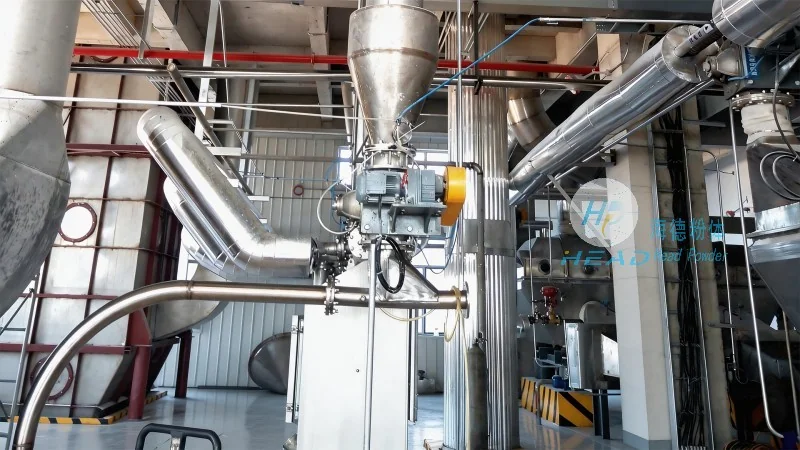
Overview of Dry Limestone Pneumatic Conveying Systems
Dry limestone pneumatic conveying lines are specialized equipment used in various industrial applications, particularly in the chemical, mining, and construction sectors. These systems are engineered to handle dry, fine powders like limestone, which are often challenging to transport using traditional methods such as belt conveyors or trucks. The primary advantage of pneumatic conveying is its ability to transport materials in a closed system, minimizing dust emissions and ensuring environmental compliance. Moreover, this technology allows for flexible and scalable material transport solutions, adapting to different production needs and site configurations.
The Working Principle of Pneumatic Conveying
The core principle of a dry limestone pneumatic conveying line is the use of compressed air to move material particles through a pipeline. The system operates on the principle of creating a pressure differential between the material source and the discharge point. Compressed air is introduced into the system, typically at the material feed point, where it accelerates the limestone particles and propels them through the conveying line. The air and material mixture travels through the pipeline, with the air providing the necessary force to overcome friction and gravitational forces. At the discharge end, the air is separated from the material, often through a cyclone separator or a filter, allowing the limestone to be deposited in the desired location while the air is either recirculated or vented to the atmosphere.
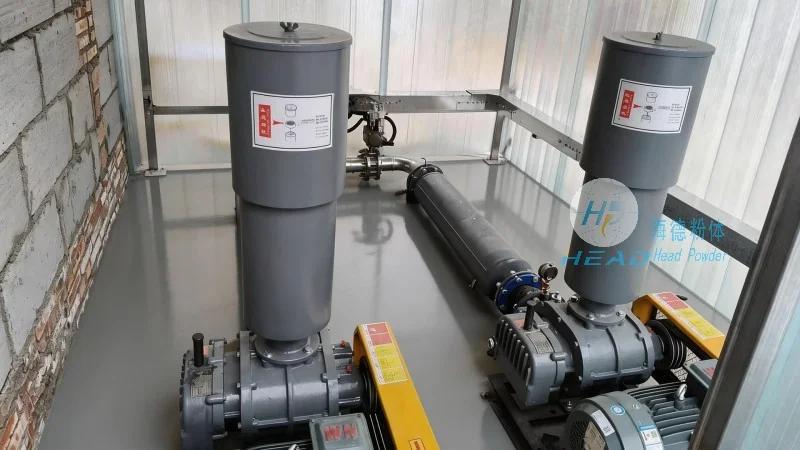
Step-by-Step Operation Process of the Dry Limestone Pneumatic Conveying Line
The operation of a dry limestone pneumatic conveying line involves several key steps, each contributing to the efficient transport of material. The process begins with the feeding of dry limestone into the system. The limestone is typically stored in a hopper or silo, from which it is fed into the conveying line via a rotary valve or a feeder. This ensures a controlled and consistent flow of material into the system. Once the material enters the conveying line, the compressed air is introduced at the feed point. The air and limestone particles mix, forming a slurry-like flow that moves through the pipeline. The pipeline is designed with appropriate bends and elbows to accommodate the material's trajectory, with the air pressure maintaining the flow velocity necessary to prevent material settling or blockages. As the mixture travels, it may pass through intermediate sections, such as expansion or contraction zones, which help in maintaining the flow stability. At the discharge end, the air and material are separated. The limestone is collected in a receiving bin or silo, while the air is either filtered and recirculated to reduce energy consumption or vented to the environment. The entire process is controlled by a system of valves, sensors, and a control panel, which monitors pressure, flow rate, and material level to ensure optimal operation. This automated control system enhances the reliability and efficiency of the conveying process, minimizing downtime and maximizing productivity.
Key Components and Their Roles in the System
Several critical components work together to ensure the smooth operation of a dry limestone pneumatic conveying line. The primary components include the material feeder, the air compressor, the conveying pipeline, the cyclone separator or filter, and the control system. The material feeder, such as a rotary valve or a screw feeder, regulates the flow of limestone into the system, ensuring a consistent feed rate. The air compressor provides the necessary compressed air, which is essential for propelling the material through the pipeline. The conveying pipeline is typically made of stainless steel or other corrosion-resistant materials to handle the abrasive nature of limestone and to prevent material buildup. The cyclone separator or filter is crucial for separating the air from the material at the discharge end, allowing for the recovery of the limestone and the proper treatment of the air. The control system, which includes sensors and a control panel, monitors and adjusts the system parameters in real-time, ensuring that the conveying process operates within optimal conditions. Each component plays a vital role in maintaining the efficiency and reliability of the dry limestone pneumatic conveying line, contributing to its overall performance and longevity.
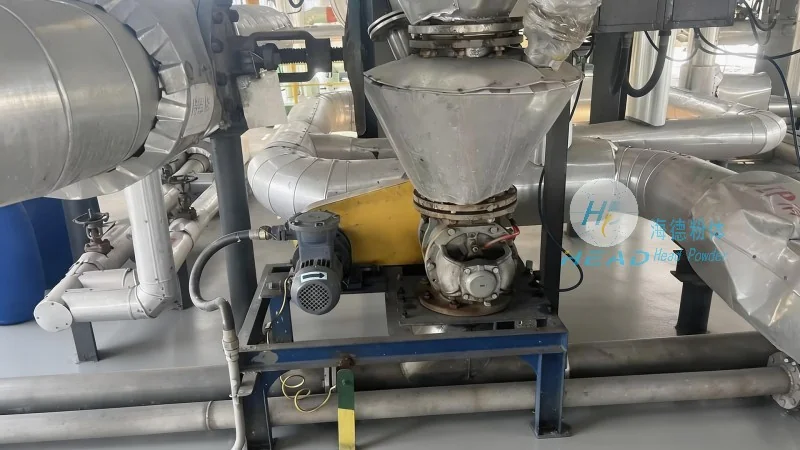
Benefits and Applications of Dry Limestone Pneumatic Conveying Lines
The adoption of dry limestone pneumatic conveying lines offers numerous benefits to industries handling bulk materials. One of the most significant advantages is the reduction in dust emissions, as the system operates in a closed environment, minimizing the release of fine particles into the air. This not only improves workplace safety but also helps in complying with environmental regulations. Additionally, the system provides a flexible and scalable solution for material transport, allowing for easy adjustments to production volumes and site configurations. The closed system also reduces material loss and contamination, ensuring that the limestone remains in its original state until it reaches the discharge point. These benefits make dry limestone pneumatic conveying lines ideal for applications in the chemical industry, where limestone is used as a raw material in the production of calcium carbonate, in the mining sector for material transport from quarries to processing facilities, and in the construction industry for supplying limestone to cement plants or other construction sites. The efficiency and reliability of these systems contribute to increased productivity and reduced operational costs, making them a preferred choice for industries that require consistent and high-quality material transport.
Conclusion and Company Introduction
In conclusion, the operation process and working principle of a dry limestone pneumatic conveying line are intricate yet efficient, leveraging compressed air to transport dry limestone powder through a closed system. The system's design and components work in harmony to ensure reliable material transport, with benefits including reduced dust emissions, flexible operation, and improved productivity. For industries seeking advanced material handling solutions, understanding and implementing such systems can lead to significant operational advantages. Shandong HeadPowder Engineering Co., Ltd., a leading provider in this field, specializes in the design, manufacturing, and installation of high-quality dry limestone pneumatic conveying lines. With a focus on innovation and customer satisfaction, the company delivers tailored solutions that meet the specific needs of its clients. Based in Shandong, China, HeadPowder Engineering Co., Ltd. leverages its expertise and experience to provide reliable and efficient material handling systems, contributing to the success of industries worldwide. By choosing HeadPowder Engineering Co., Ltd., clients can ensure that their dry limestone pneumatic conveying lines are designed and operated to the highest standards, supporting their production processes and meeting their material transport requirements effectively.




