

Principle and Working Scene Characteristics of Activated Carbon Material Pneumatic Conveying Equipme
Shandong HeadPowder Engineering Co., Ltd., based in Shandong, China, specializes in the design and manufacturing of advanced pneumatic conveying systems for activated carbon material handling. The company focuses on providing efficient and reliable solutions for transporting activated carbon, a critical material used in various industrial applications such as environmental protection, chemical processing, and pharmaceutical production.
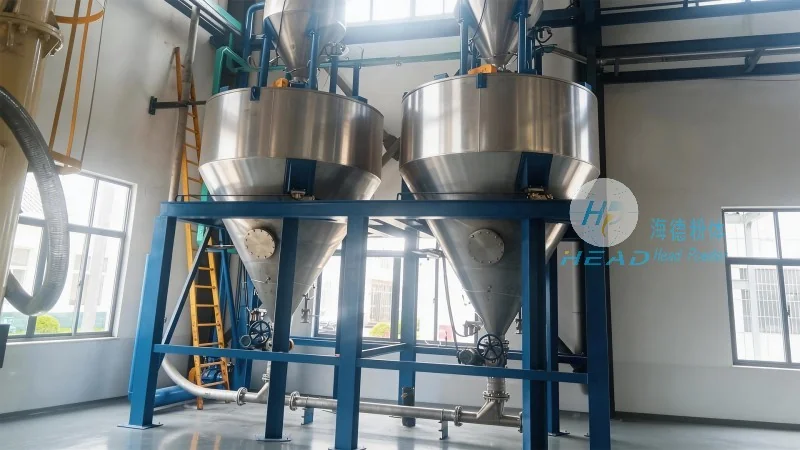
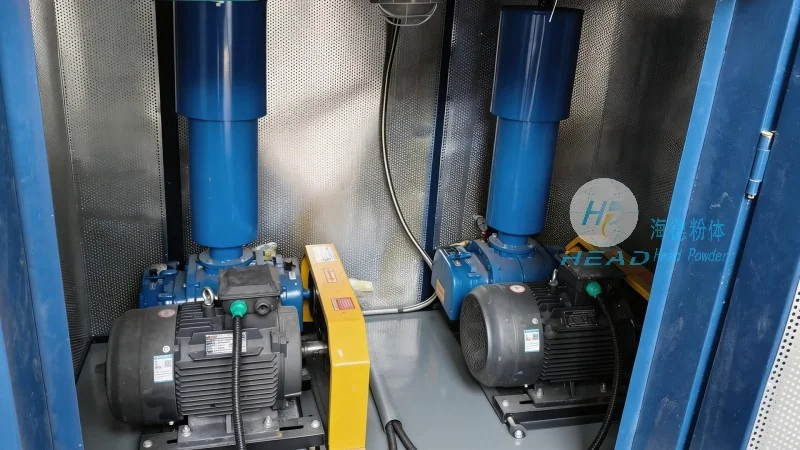
Principle of Pneumatic Conveying Equipment for Activated Carbon
The fundamental principle of pneumatic conveying equipment for activated carbon involves using air as the conveying medium to transport bulk materials. This method typically operates through two main modes: suction (vacuum) conveying and pressure (positive) conveying. In suction conveying, a vacuum is created at the material source to draw the activated carbon into the system, while pressure conveying uses compressed air to push the material through the pipeline. The system consists of key components including a hopper, feeder, air compressor, pipeline network, and receiver. The activated carbon is first fed into the hopper, then transferred to the pipeline via the feeder, and finally delivered to the destination receiver under the action of air flow. This process ensures a continuous, dust-free, and low-noise transfer of activated carbon, minimizing material degradation and contamination.
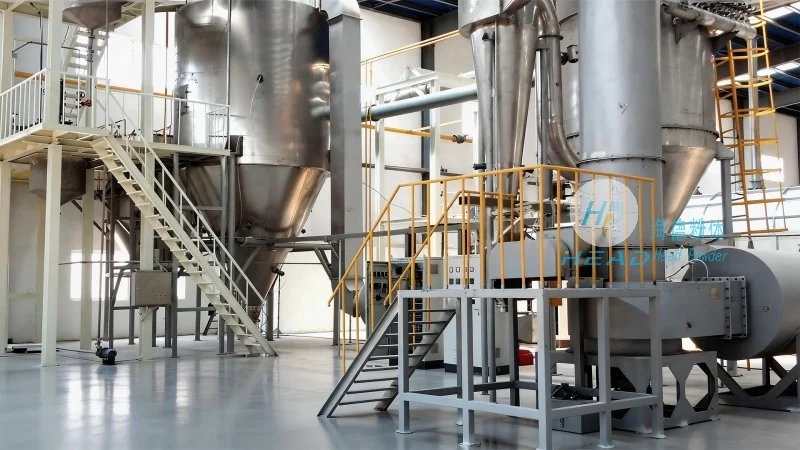
Working Scene Characteristics of Activated Carbon Pneumatic Conveying
The working scene characteristics of activated carbon pneumatic conveying systems are tailored to meet the specific demands of industrial environments. These systems are widely applied in scenarios where traditional gravity or mechanical conveying methods are impractical or inefficient. For example, in large-scale activated carbon production facilities, the equipment facilitates the seamless transfer of raw activated carbon from storage silos to processing units, ensuring a stable supply chain. In environmental treatment plants, the system efficiently transports activated carbon used for water purification and air filtration, supporting the removal of pollutants and contaminants. Additionally, in chemical and pharmaceutical industries, the pneumatic conveying equipment maintains the purity and integrity of activated carbon, which is essential for producing high-quality end products. The flexibility of these systems allows for adaptation to different operational scales, from small-scale laboratory applications to large industrial production lines. Moreover, the equipment's ability to handle varying particle sizes and moisture content of activated carbon makes it suitable for diverse processing requirements. The working scene also emphasizes safety and operational efficiency, with features like automatic control systems, material flow monitoring, and energy-efficient air compression units, ensuring consistent performance and reduced downtime.
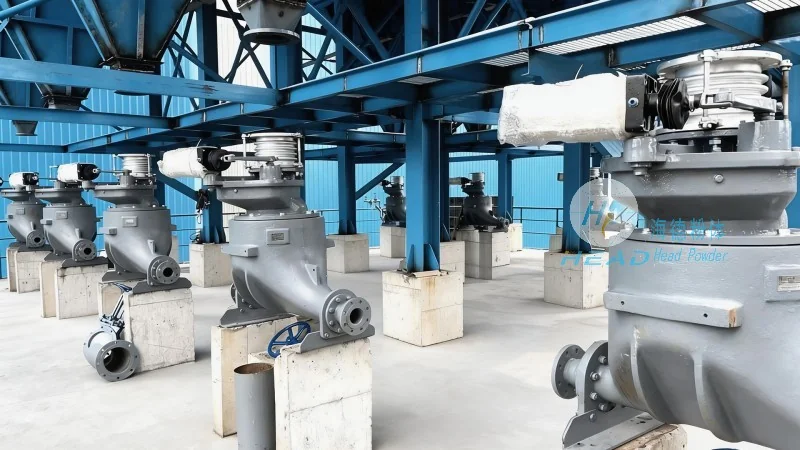
Advantages and Applications in Industrial Settings
Activated carbon material pneumatic conveying equipment offers several advantages that make it a preferred choice in industrial settings. One of the primary benefits is the ability to achieve dust-free and enclosed transportation, which enhances workplace safety and complies with environmental regulations. Unlike traditional methods that may generate dust and cause air pollution, pneumatic conveying systems contain the material within a sealed pipeline, minimizing exposure risks for operators and reducing the need for additional dust control measures. Another key advantage is the high efficiency in material transfer, as the system can handle large volumes of activated carbon with minimal energy consumption compared to mechanical conveyors. The flexibility of the pipeline layout allows for easy integration into existing industrial layouts, reducing installation time and costs. Furthermore, the equipment's ability to handle abrasive and fragile materials like activated carbon without causing damage or degradation is crucial for maintaining product quality. In applications such as activated carbon regeneration and reactivation processes, the pneumatic conveying system ensures that the material is transported without losing its adsorption capacity, which is vital for its effectiveness in filtration and purification tasks. The working scene characteristics also highlight the adaptability of the system to different operational conditions, including varying temperatures and humidity levels, making it suitable for a wide range of industrial environments. Overall, the activated carbon pneumatic conveying equipment from Shandong HeadPowder Engineering Co., Ltd. provides a reliable and efficient solution for handling activated carbon, supporting the smooth operation of industrial processes and meeting the demands of modern manufacturing and environmental protection industries.