

Principles and Application Scenarios of Alumina Material Pneumatic Conveying
Alumina, a key industrial material widely used in refractories, ceramics, and other high-tech fields, often requires efficient and reliable material handling solutions during production and processing. Pneumatic conveying, as a non-contact, low-cost, and flexible method for transporting bulk materials, has become a preferred choice for alumina material handling. This article will delve into the principles of alumina material pneumatic conveying and explore its characteristic application scenarios, providing a comprehensive understanding of this technology.
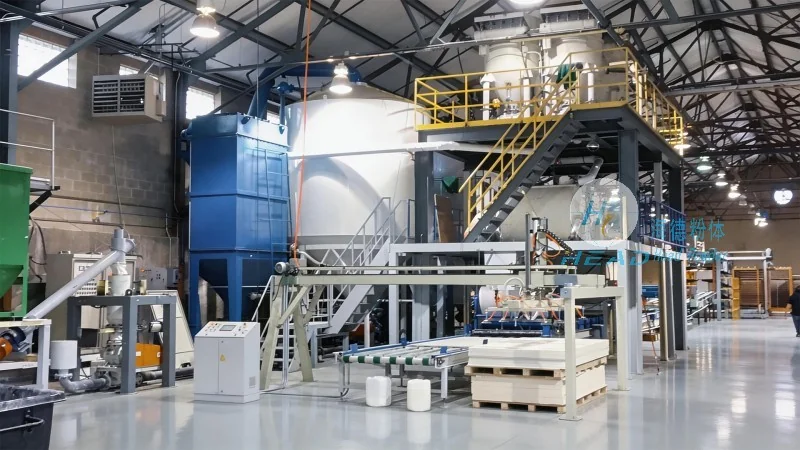
1. Basic Principles of Alumina Material Pneumatic Conveying
Alumina material pneumatic conveying is a process that uses compressed air or other gas as the conveying medium to transport alumina powder or granular materials from the source to the destination. The core principle is based on the balance between the pressure difference and the material's flow characteristics. The system typically consists of a material feeding device, a conveying pipeline, a gas supply system, and a receiving device. The compressed air is introduced into the pipeline, creating a flow that lifts and transports the alumina particles. The key parameters, such as air velocity, pressure, and material flow rate, are carefully controlled to ensure stable and efficient conveying. The principle also involves the use of appropriate equipment, like rotary valves for feeding and cyclone separators for material separation, to optimize the conveying process and minimize material loss or degradation.
2. Key Components and Working Mechanism
The pneumatic conveying system for alumina materials is composed of several critical components, each playing a vital role in the overall operation. The material feeding system, including hoppers and rotary valves, ensures a consistent and controlled feed of alumina into the pipeline. The conveying pipeline, usually made of stainless steel or other corrosion-resistant materials, is designed to withstand the abrasive nature of alumina and maintain a smooth flow. The gas supply system, equipped with air compressors and filters, provides the necessary pressure and clean air to drive the conveying process. The receiving system, which may include cyclone separators or bag filters, separates the alumina particles from the air stream and collects them in a storage bin or processing unit. The working mechanism involves the introduction of compressed air into the pipeline, which creates a low-pressure zone that draws the alumina material upward and along the pipeline. The air velocity is maintained above the material's terminal velocity to prevent deposition and ensure continuous transport. The system's efficiency is enhanced by optimizing the pipeline design, such as using bends and expansion sections, to minimize pressure drop and energy consumption.
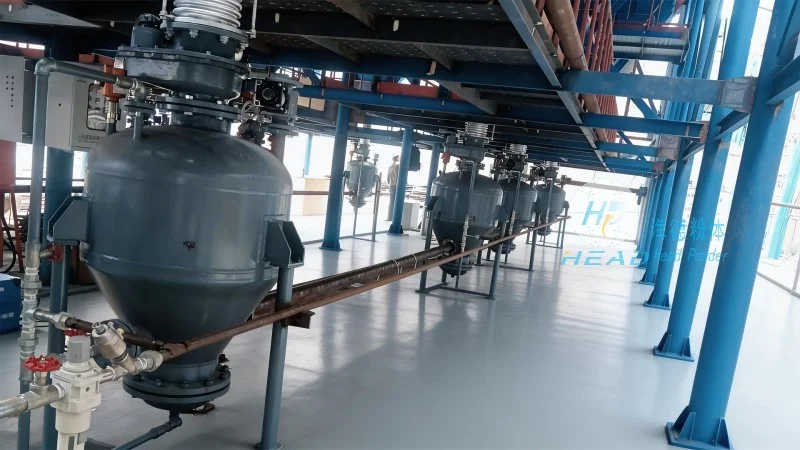
3. Characteristic Application Scenarios
Alumina material pneumatic conveying is widely applied in various industrial settings due to its adaptability and efficiency. One common scenario is in refractory production, where large quantities of alumina powder are transported from storage silos to mixing and processing equipment. The non-contact nature of the system prevents contamination and material degradation, which is crucial for maintaining the quality of refractory products. Another application is in ceramic manufacturing, where alumina is used as a raw material for high-purity ceramic components. The system efficiently conveys the material from raw material storage to the production line, ensuring a steady supply for continuous production. Additionally, in chemical and pharmaceutical industries, alumina is used as an adsorbent or catalyst support, and pneumatic conveying is employed to transport it between processing stages, such as from drying to packaging. The system's ability to handle fine powders and maintain product purity makes it suitable for these applications. Furthermore, in research and development laboratories, small-scale pneumatic conveying systems are used for transporting alumina samples for testing and analysis, providing a precise and controlled method for material handling.
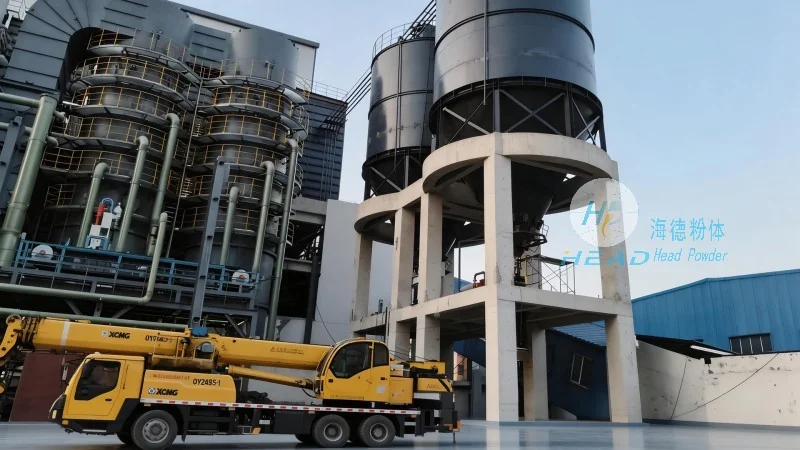
4. Advantages and Considerations in Alumina Material Pneumatic Conveying
Compared to traditional mechanical conveying methods, alumina material pneumatic conveying offers several advantages. First, it eliminates the need for mechanical components like belts or buckets, reducing maintenance costs and minimizing the risk of material contamination. Second, the system can handle a wide range of material sizes and moisture contents, making it versatile for different alumina products. Third, it provides a clean and dust-free environment, which is essential for maintaining product quality and worker safety. However, there are also considerations to keep in mind. The system requires a significant amount of energy due to the need for compressed air, and the initial investment can be higher than mechanical systems. Additionally, the design must account for the abrasive nature of alumina, as it can cause wear on the pipeline and equipment over time. Proper maintenance, such as regular cleaning and inspection of components, is necessary to ensure the system's longevity and efficiency. Furthermore, the system's performance is affected by factors like air pressure, material flow rate, and pipeline length, which need to be optimized for each specific application to achieve the best results.
5. Case Study: Application in a Refractory Plant
Shandong HeadPowder Engineering Co., Ltd., a leading provider of material handling solutions, has successfully implemented an alumina material pneumatic conveying system in a refractory plant. The plant processes large volumes of high-purity alumina for the production of refractory bricks and castables. The system, designed by HeadPowder, consists of a 500-ton storage silo, a rotary valve feeding system, a 200-meter stainless steel pipeline, and a cyclone separator for material recovery. The system operates at a pressure of 0.6 MPa and an air velocity of 20 m/s, ensuring a stable and efficient conveying rate of 10 tons per hour. The implementation has significantly improved the plant's production efficiency, reduced material handling time by 30%, and minimized product contamination. The success of this project highlights the effectiveness of alumina material pneumatic conveying in industrial applications and showcases the expertise of HeadPowder in designing and implementing such systems.