

Principle and Working Scene Characteristics of Tailings Slag Powder Pneumatic Conveying Lines
Shandong HeadPowder Engineering Co., Ltd., commonly known as headpowder, is a professional manufacturer and supplier of pneumatic conveying equipment. The company is headquartered in Shandong, China, and specializes in designing, manufacturing, and installing advanced powder handling systems tailored for various industrial applications. One of their core products is the tailings slag powder pneumatic conveying line, which is engineered to efficiently transport fine particulate materials such as tailings slag from one location to another within industrial facilities.
The Principle of Pneumatic Conveying for Tailings Slag
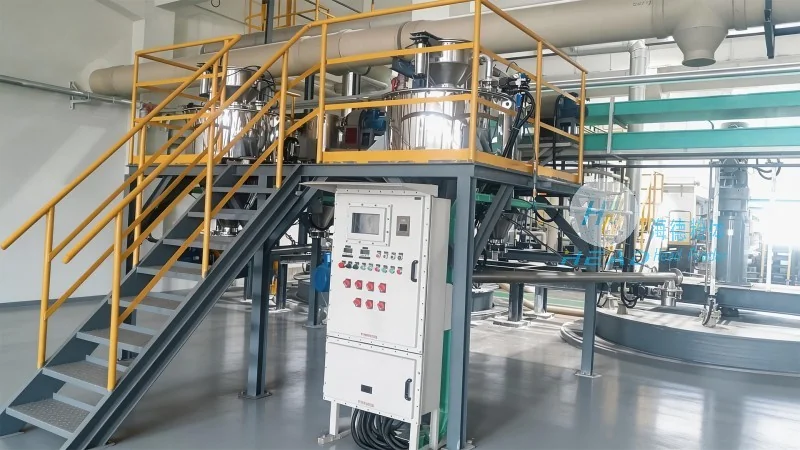
The fundamental principle of a tailings slag powder pneumatic conveying line is the use of compressed air or gas to move powder materials through a pipeline system. This method, known as pneumatic conveying, relies on the creation of a pressure differential between the inlet and outlet of the conveying line. The system typically consists of a hopper to store the tailings slag, a feeder to control the flow rate, a conveying pipeline, and a receiver to collect the material at the destination. The compressed air is introduced into the pipeline, creating a flow that entrains the tailings slag particles and propels them forward. The design of the system, including the type of air flow (e.g., positive or negative pressure), the pipeline diameter, and the length, is critical to ensuring efficient and reliable transport. For tailings slag, which often has high moisture content and abrasive properties, the system is optimized to handle these challenges, such as using wear-resistant materials for the pipeline and specialized feeders to prevent blockages.
Key Components and Their Functions
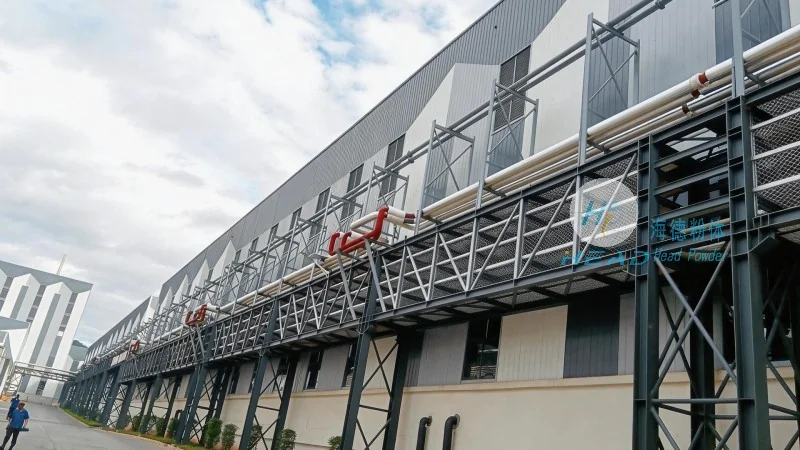
Several key components work together to ensure the smooth operation of a tailings slag powder pneumatic conveying line. The hopper serves as the storage vessel, providing a consistent supply of tailings slag to the feeder. The feeder, which can be a rotary valve or a screw feeder, regulates the flow rate of the material into the conveying line, preventing overloading and ensuring a steady stream. The conveying pipeline is the main channel for transporting the material, and its design must account for the abrasive nature of tailings slag to minimize wear and extend the system's lifespan. The pipeline is often made of high-quality steel or specialized materials like polyethylene or stainless steel, depending on the specific application. The receiver is the final component, where the tailings slag is deposited after being conveyed. It is designed to handle the material's characteristics, such as moisture content, to prevent caking or blockages. Additionally, the system may include accessories like filters, cyclones, or dust collectors to manage air quality and ensure compliance with environmental regulations.
Working Scene Characteristics and Applications
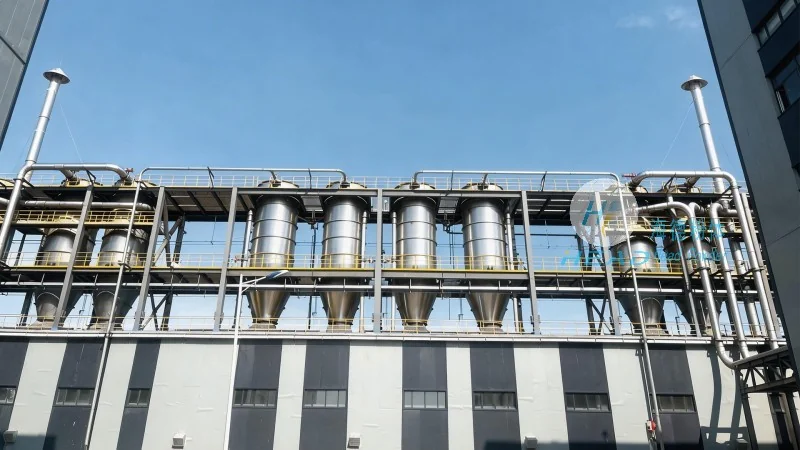
The tailings slag powder pneumatic conveying line is particularly suited for industrial environments where traditional conveyor systems may be less effective or impractical. For example, in mining and mineral processing plants, where large volumes of tailings slag are generated, this system provides a flexible and efficient means of transporting the material from the processing plant to disposal sites or reclamation areas. The ability to handle high volumes of fine particulate material makes it ideal for applications where traditional belt conveyors would be too bulky or expensive to install. In addition, the system's ability to operate in various environmental conditions, including dusty or wet environments, makes it a reliable choice for outdoor or semi-outdoor applications. The working scene characteristics also include the need for minimal maintenance and high operational efficiency, as industrial facilities often require continuous operation with minimal downtime. The system's design allows for easy integration with existing infrastructure, reducing the need for major modifications to the plant layout. Furthermore, the flexibility of the pneumatic conveying line allows for changes in the material flow rate or destination, making it adaptable to changing production needs.
Advantages and Benefits
Implementing a tailings slag powder pneumatic conveying line offers several advantages over traditional material handling methods. One of the primary benefits is the reduction in labor costs, as the system automates the material transport process, eliminating the need for manual handling of heavy or hazardous materials. This also improves workplace safety by reducing the risk of accidents associated with manual handling. Another advantage is the improved efficiency and reliability of the material transport process. The pneumatic system can transport materials over long distances with minimal loss, and the consistent flow rate ensures that the processing plant receives a steady supply of tailings slag. The system also reduces the environmental impact by minimizing dust emissions compared to traditional conveyor systems, which often generate significant dust during operation. Additionally, the use of wear-resistant materials and advanced control systems extends the lifespan of the equipment, reducing the need for frequent repairs and replacements. Overall, the tailings slag powder pneumatic conveying line provides a cost-effective and sustainable solution for handling tailings slag in industrial applications.