

Principle and Working Scene Characteristics of Powder and Grain Pneumatic Conveying Lines
HeadPowder, a leading provider in the field of powder and bulk material handling, specializes in the design, manufacturing, and installation of pneumatic conveying systems tailored for the food processing industry. This article delves into the fundamental principles of pneumatic conveying lines and highlights the key characteristics of their working scenarios, particularly in applications involving rice, flour, and other grain-based materials.
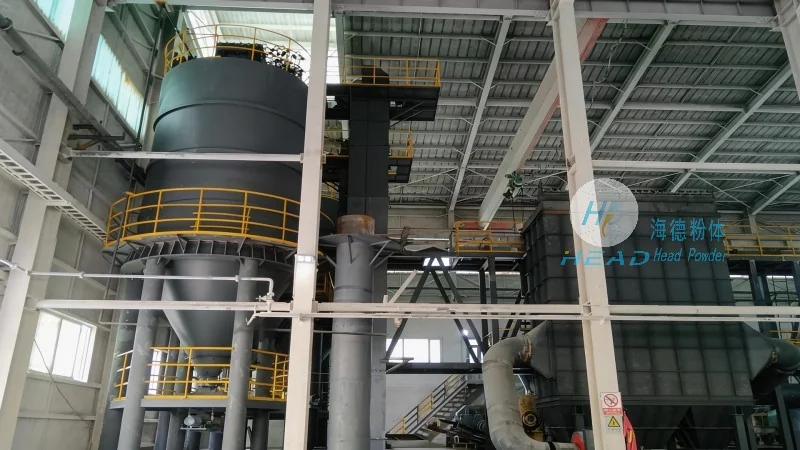
Introduction to Pneumatic Conveying Systems
Pneumatic conveying lines are mechanical systems that use compressed air or gas to transport bulk materials such as powders, granules, and small particles from one location to another. The technology is widely adopted across various industries, including food processing, pharmaceuticals, and chemical manufacturing, due to its ability to handle materials in a clean, efficient, and dust-free manner. At HeadPowder, we have developed specialized solutions for the rice and flour sectors, ensuring compliance with sanitary standards while optimizing material flow and process efficiency.
Principle of Pneumatic Conveying
The core principle of pneumatic conveying involves the creation of a pressure differential between the inlet and outlet of the system. There are two primary types of pneumatic conveying: positive pressure and negative pressure. Positive pressure systems operate by blowing air into the conveying line, pushing the material forward, while negative pressure systems create a vacuum at the discharge end, drawing the material through the line. For applications involving sensitive food products like flour and rice, positive pressure systems are often preferred as they minimize the risk of contamination and maintain product integrity.
The system typically consists of several key components: a feeding device (such as a rotary valve or a star feeder) to introduce the material into the line, a conveying pipeline (usually made of stainless steel to ensure hygiene), a separation unit (like a cyclone or a bag filter) to separate the material from the air, and a compressed air source (such as a blower or a compressor). The feeding device ensures a consistent and controlled flow of material, preventing blockages or uneven discharge. The conveying pipeline is designed with appropriate bends and elbows to maintain the material's velocity and prevent settling. The separation unit is critical for recovering the material from the air stream, ensuring minimal loss and maintaining air quality. The compressed air source provides the necessary pressure to drive the material through the system, with the air being filtered and recycled to reduce energy consumption.
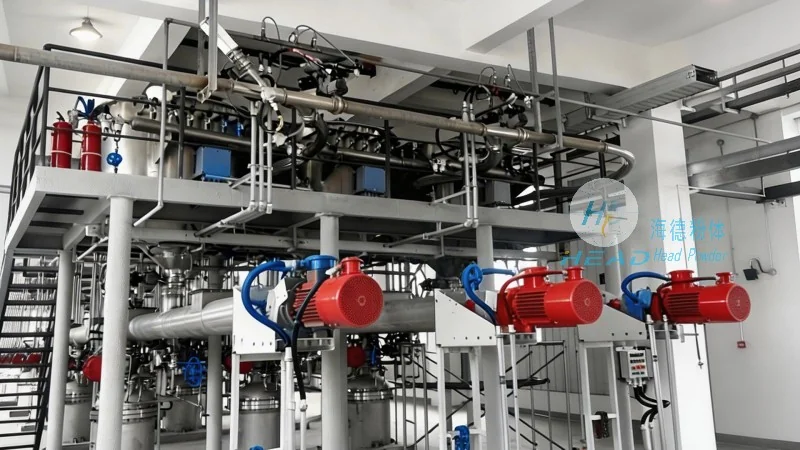
Working Scene Characteristics in Rice and Flour Processing
The working scenarios of pneumatic conveying lines in the rice and flour industry are characterized by their ability to handle fine powders and granules while maintaining high hygiene standards. These systems are commonly used in the following applications:
1. Raw Material Handling: Pneumatic conveying lines are used to transport raw rice, wheat, and other grains from storage silos to processing facilities. This allows for efficient and dust-free transfer of bulk materials, reducing the risk of contamination and improving material flow control.
2. Flour and Powder Production: During the milling process, pneumatic conveying systems are employed to move flour from the grinding mills to storage silos or packaging lines. The systems ensure that the flour is transported without exposure to air, preventing clumping and maintaining its quality.
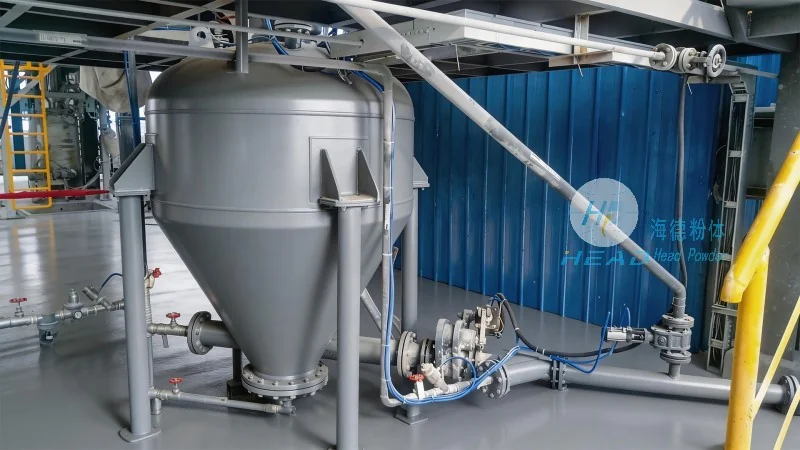
3. Product Transfer and Packaging: After processing, the final products (such as milled rice, flour, or mixed grain powders) are conveyed from production lines to packaging machines. This step is crucial for maintaining product purity and ensuring consistent packaging weights.
Key Advantages in Working Scenarios
HeadPowder's pneumatic conveying lines offer several advantages that make them ideal for rice and flour processing environments:
Firstly, hygienic and dust-free operation is a significant benefit. Unlike traditional belt or bucket elevators, pneumatic systems operate in a closed environment, preventing dust from spreading and minimizing the risk of cross-contamination. This is particularly important in food processing where product safety and regulatory compliance are paramount.
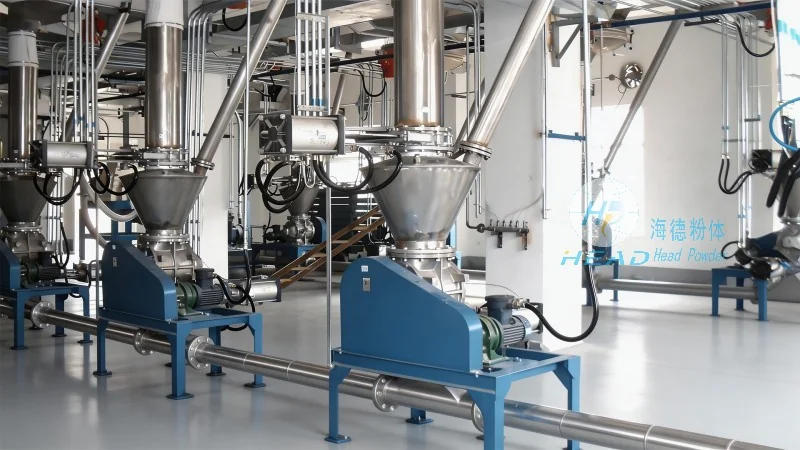
Secondly, flexibility and adaptability are key characteristics. The systems can be designed to handle various material types, including different grain sizes and moisture contents. They can also be integrated with existing production lines, allowing for seamless upgrades or modifications without disrupting operations.
Thirdly, energy efficiency and cost-effectiveness are achieved through optimized system design. By recycling the air and using energy-efficient components, the systems reduce operational costs while maintaining high performance. Additionally, the reduced need for manual handling and cleaning reduces labor costs and improves overall productivity.
Conclusion
HeadPowder Engineering Co., Ltd., based in Shandong, China, provides comprehensive solutions for pneumatic conveying lines tailored to the rice and flour industry. By understanding the fundamental principles of pneumatic conveying and leveraging advanced design technologies, we ensure that our systems meet the highest standards of efficiency, hygiene, and reliability. Our working scenarios demonstrate the versatility and effectiveness of pneumatic conveying in handling bulk materials, making it an indispensable component in modern food processing operations.