

Principle and Working Scene Characteristics of Coke Material Conveying System Equipment
The coke material conveying system is a critical component in industrial processes, particularly in the steel and metallurgical industries. It plays a vital role in efficiently transporting coke, a key raw material used in blast furnaces and other high-temperature applications. The effectiveness of the conveying system directly impacts production efficiency, safety, and operational costs. This article explores the fundamental principles behind coke material conveying equipment and highlights the key characteristics of its working scenarios, providing insights into how these systems are designed and applied in real-world industrial settings.
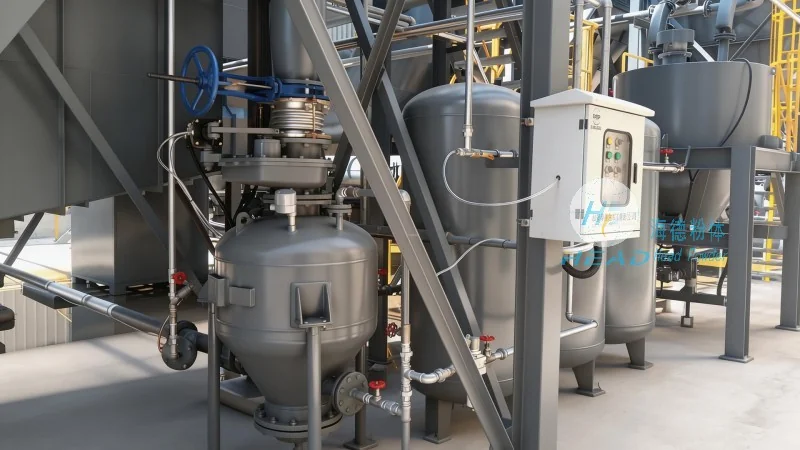
Company Overview: Shandong HeadPowder Engineering Co., Ltd.
HeadPowder, a leading engineering company based in Shandong, China, specializes in the design, manufacturing, and integration of advanced material handling systems. With a strong commitment to innovation and quality, HeadPowder has established itself as a trusted partner for industries requiring reliable and efficient conveying solutions. The company’s expertise in coke material handling stems from decades of experience in the field, ensuring that their products meet the stringent demands of modern industrial operations. HeadPowder’s team of engineers and technicians work closely with clients to understand their specific needs, developing customized solutions that optimize material flow and enhance overall operational performance.
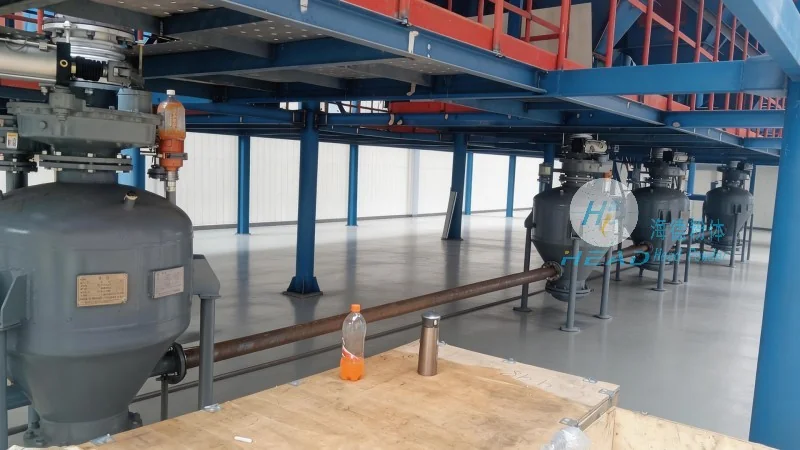
Principle of Coke Material Conveying Equipment
The core principle of coke material conveying systems is to transport bulk materials, such as coke, from one location to another with minimal loss, minimal energy consumption, and maximum efficiency. The system typically consists of several key components, including feeders, conveyors (e.g., belt conveyors, screw conveyors, or pneumatic conveyors), and control systems. Each component is designed to work in harmony to ensure smooth and continuous material movement. For instance, feeders are used to regulate the flow of coke into the conveyor, preventing overloading and ensuring consistent feed rates. Conveyors then transport the coke through the system, while control systems monitor and adjust parameters to maintain optimal performance. The choice of conveyor type depends on factors such as the material's properties (e.g., size, moisture content, and abrasiveness), the distance to be covered, and the required throughput. Belt conveyors are commonly used for long-distance horizontal or slight incline transport due to their high capacity and low maintenance. Screw conveyors are suitable for vertical or inclined transport, especially in applications where space is limited. Pneumatic conveyors, on the other hand, are ideal for transporting fine or dusty coke particles over shorter distances, offering flexibility in layout and operation.
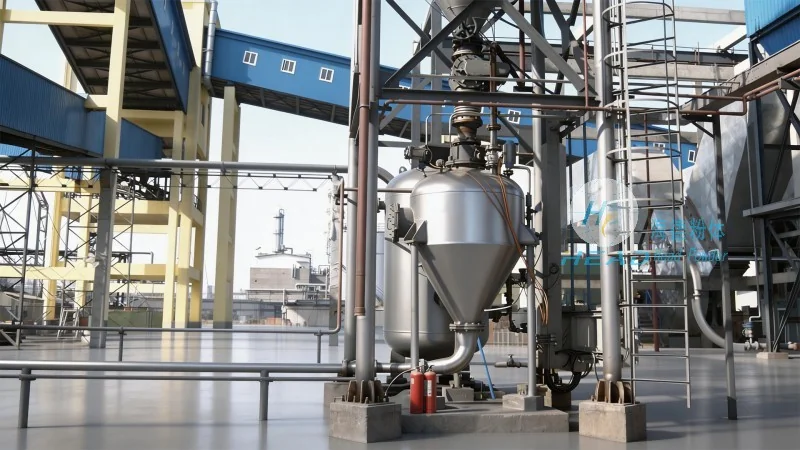
Working Scene Characteristics of Coke Material Conveying Systems
The working scene characteristics of coke material conveying systems vary significantly based on the specific industrial application and operational environment. These characteristics include factors such as the scale of operation, the type of coke being handled, the environmental conditions, and the integration with other production processes. In large-scale steel plants, for example, the conveying system may need to handle high volumes of coke over long distances, requiring robust and high-capacity equipment. The working environment may also involve high temperatures and dust, necessitating equipment that is durable and resistant to wear and corrosion. Another key characteristic is the need for safety features, as coke handling involves heavy machinery and moving parts that pose potential hazards. Modern systems often incorporate safety sensors, emergency stop mechanisms, and automated controls to minimize risks and ensure operator safety. Additionally, the system's integration with other processes, such as storage, processing, and distribution, is crucial for overall efficiency. For instance, the conveying system may need to connect to silos, crushers, or storage bunkers, requiring seamless coordination between different components. The working scene also considers the impact of environmental regulations, with many modern systems incorporating dust suppression and emission control measures to comply with environmental standards. Overall, the working scene characteristics highlight the importance of designing a conveying system that is not only efficient but also adaptable to the specific needs of the industrial environment.
Key Features and Advantages of HeadPowder's Coke Conveying Solutions
HeadPowder's coke material conveying systems are designed with a focus on performance, reliability, and durability. The company's products are engineered to handle the unique challenges of coke handling, including its abrasive nature and varying particle sizes. Key features of their solutions include high-capacity conveyors with reinforced belts and robust frames to withstand heavy loads and continuous operation. Advanced control systems enable precise regulation of material flow, ensuring consistent throughput and minimizing downtime. The use of high-quality materials, such as stainless steel and wear-resistant coatings, enhances the longevity of the equipment and reduces maintenance costs. Additionally, HeadPowder's systems are equipped with monitoring and diagnostic tools that provide real-time data on performance, allowing for proactive maintenance and optimization. These features contribute to the overall efficiency and cost-effectiveness of the conveying system, making it an ideal choice for industrial applications.
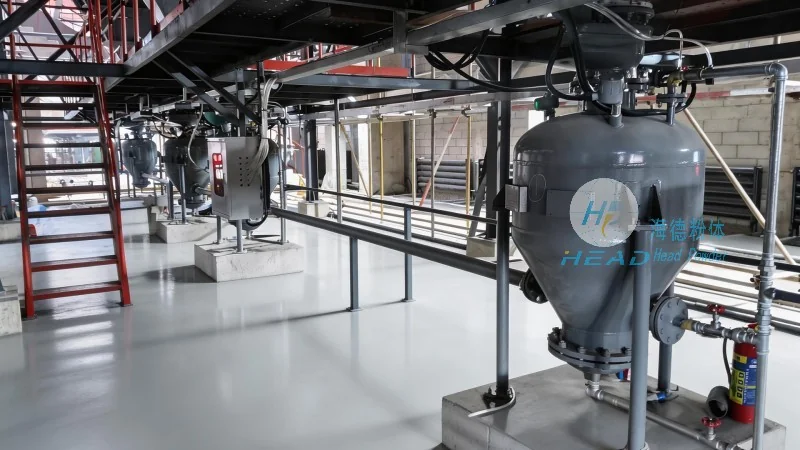
Applications and Case Studies
HeadPowder's coke material conveying systems have been successfully implemented in various industrial settings, demonstrating their versatility and effectiveness. For example, in a large steel plant in Shandong, China, the company provided a custom-designed belt conveyor system that increased the plant's coke handling capacity by 20% while reducing energy consumption by 15%. The system was integrated with the plant's existing storage and processing facilities, ensuring smooth material flow and minimizing bottlenecks. Another case study involves a metallurgical plant in the United States, where HeadPowder's pneumatic conveying system was installed to transport fine coke particles from a crusher to a storage silo. The system's flexibility allowed for easy reconfiguration of the layout, adapting to changes in the plant's operational needs. These examples illustrate how HeadPowder's solutions can be tailored to meet the specific requirements of different industries and applications, delivering measurable benefits in terms of efficiency and productivity.