

Principles and Application Scenarios of Dust-Free Automatic Material Handling Systems
Shandong HeadPowder Engineering Co., Ltd., headquartered in Shandong, China, specializes in the design, development, and deployment of advanced dust-free automatic material handling systems. These systems are engineered to meet rigorous industrial standards for cleanliness, efficiency, and precision across diverse sectors.
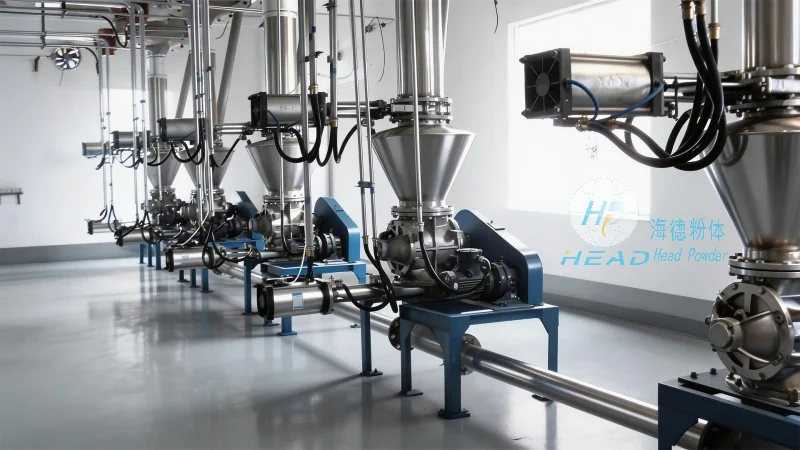
Overview of Dust-Free Automatic Material Handling Systems
At the heart of these systems is a sophisticated integration of automation technologies, including robotic arms, conveyor belts, and advanced control mechanisms. The primary goal is to transport materials or products through a production line or storage facility while maintaining an environment free from particulate contaminants. This is accomplished through sealed enclosures, HEPA filters, and precise air filtration systems that prevent dust and debris from entering or exiting the system.
Core Principles of the Technology
The fundamental principles of these systems revolve around three key components: material containment, air filtration, and automated control. Material containment ensures all components and products are enclosed within a sealed structure, minimizing exposure to external dust. Air filtration systems, typically incorporating HEPA filters, remove airborne particles, maintaining a clean air environment. Automated control systems, often utilizing PLC (Programmable Logic Controller) technology, manage the entire operation, from material loading to unloading, with high precision and reliability.
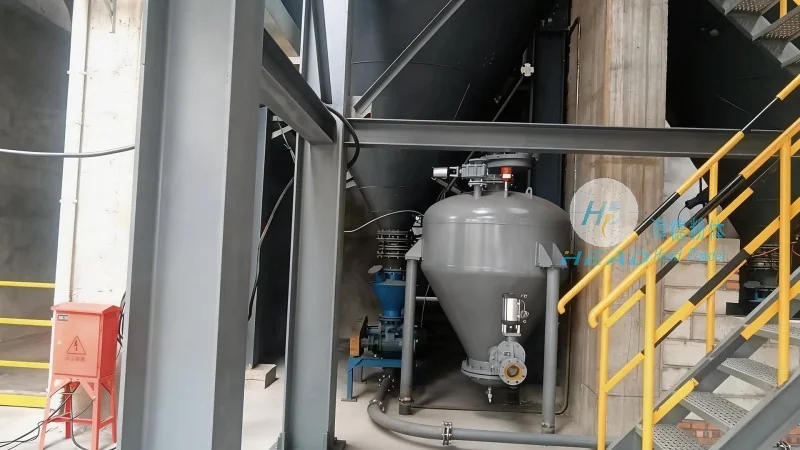
Application Scenarios and Industry Adaptability
These dust-free automatic material handling systems are versatile and find applications across multiple industries. In the pharmaceutical and biotech sectors, they are essential for transporting raw materials and finished products in sterile environments, ensuring compliance with GMP (Good Manufacturing Practice) standards. In the electronics industry, they handle sensitive components, preventing contamination that could affect product performance. The food and beverage industry also benefits from these systems, as they maintain hygiene standards while efficiently moving ingredients and packaged goods. Additionally, in the automotive and manufacturing sectors, they streamline production processes, reducing manual handling and associated risks.
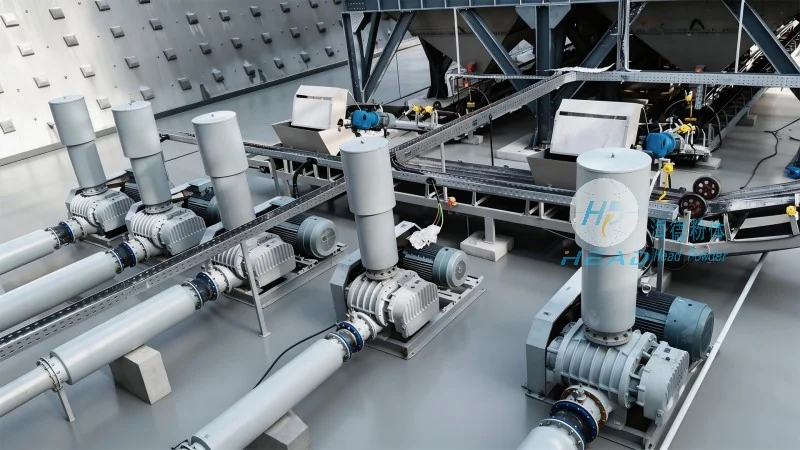
Operational Efficiency and Precision in Workflows
One of the standout features of these systems is their ability to enhance operational efficiency. By automating material movement, they reduce human intervention, thereby minimizing errors and increasing throughput. The systems are designed to handle a wide range of materials, from small components to bulk items, with adjustable speed and direction controls. Precision in positioning is achieved through advanced sensors and feedback mechanisms, ensuring that materials are placed accurately at each stage of the process. This level of precision is crucial in industries where even minor deviations can lead to product defects or quality issues.
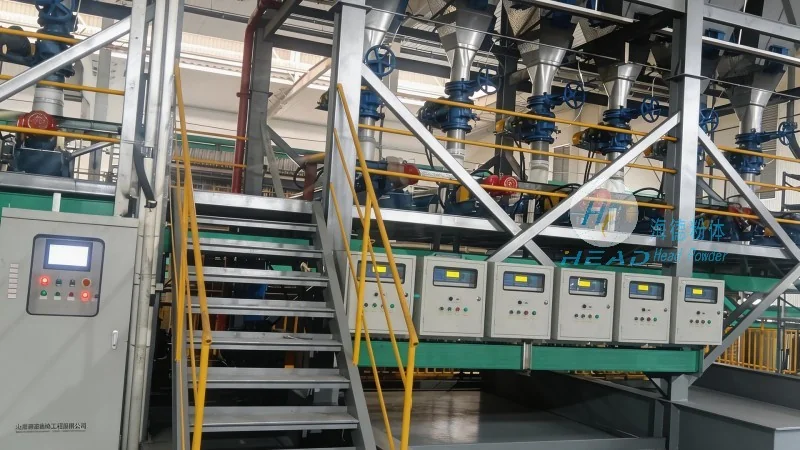
Advantages and Benefits for Industrial Operations
Implementing dust-free automatic material handling systems offers several key advantages. Firstly, they significantly improve product quality by maintaining a clean environment, reducing the risk of contamination. Secondly, they enhance workplace safety by minimizing manual handling of materials, thereby lowering the incidence of workplace injuries. Thirdly, these systems contribute to cost savings through increased productivity and reduced downtime. Finally, their modular design allows for easy integration into existing production lines, making them a flexible solution for evolving industrial needs.
Conclusion: The Role of Advanced Material Handling in Modern Manufacturing
As industries continue to demand higher standards of cleanliness and efficiency, dust-free automatic material handling systems play an increasingly vital role. Shandong HeadPowder Engineering Co., Ltd. remains at the forefront of this technology, providing customized solutions that cater to the unique requirements of each client. By combining cutting-edge engineering with practical application, these systems not only meet but exceed industry expectations, ensuring sustainable and high-performance manufacturing processes.