At Shandong HeadPowder Engineering Co., Ltd., we specialize in the design and manufacturing of advanced powder conveying systems tailored for industrial applications, particularly those involving potassium hydroxide (KOH) powder. This article delves into the fundamental principles behind these machines and highlights the key working scene characteristics that make them indispensable in various industrial settings.
Understanding the Core Principle of Potassium Hydroxide Powder Conveying Machines
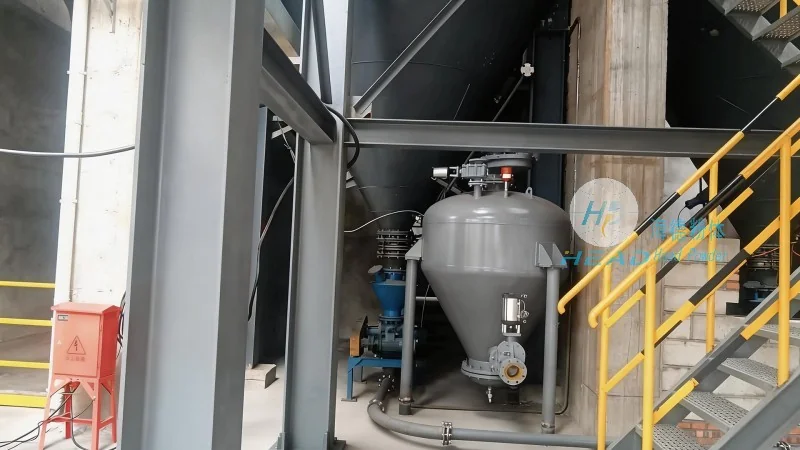
The operation of a potassium hydroxide powder conveying machine is based on the principles of pneumatic or mechanical conveying, depending on the specific design. For many industrial applications, especially where high-purity and low-dust environments are required, pneumatic conveying systems are preferred. These systems utilize compressed air to transport the fine powder through a network of pipes, ensuring efficient and controlled movement from the storage silo to the processing equipment. The design of the conveying machine is optimized to handle the unique properties of KOH powder, such as its hygroscopic nature and potential reactivity with moisture or other substances. By controlling the air flow rate and pressure, the machine can maintain a consistent and stable flow of the powder, minimizing the risk of clogging or material degradation during transport.
Key Working Scene Characteristics of Potassium Hydroxide Powder Conveying Machines
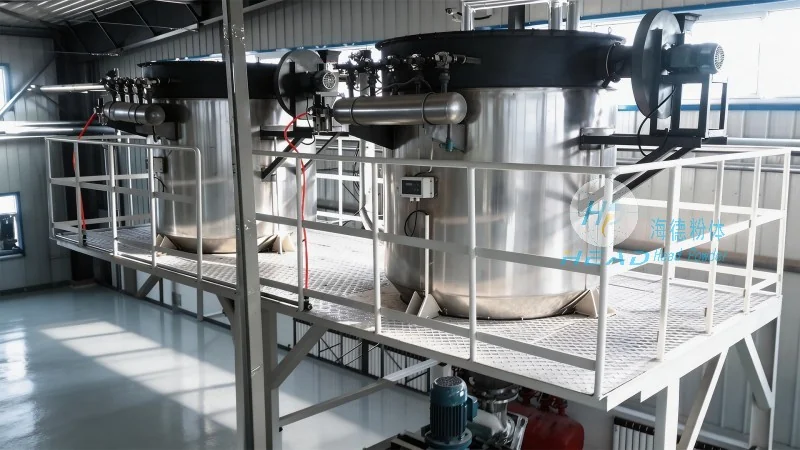
The working scene characteristics of these machines are tailored to meet the demands of diverse industrial environments. For instance, in chemical manufacturing facilities, the conveying system must be integrated seamlessly with other processing equipment, such as reactors and mixers, to ensure a continuous and uninterrupted supply of KOH powder. The machine's design often includes features like adjustable speed controls and variable air pressure settings, allowing operators to adapt the conveying rate according to the production schedule or process requirements. Additionally, the system is engineered to minimize the exposure of the powder to external contaminants, which is crucial for maintaining the purity of KOH, a critical raw material in many chemical processes. In pharmaceutical and food processing industries, where stringent quality standards are mandatory, the conveying machine is equipped with sanitary components and easy-to-clean surfaces to prevent cross-contamination and ensure compliance with regulatory guidelines.
Applications and Industry Integration
Potassium hydroxide powder conveying machines are widely used across various industries, including chemical manufacturing, pharmaceuticals, and food processing. In the chemical industry, they are essential for transporting KOH to reactors used in the production of soaps, detergents, and other alkaline products. The ability to handle large volumes of powder efficiently reduces production downtime and enhances overall operational efficiency. In the pharmaceutical sector, the conveying system plays a vital role in delivering KOH to manufacturing lines for the production of antacids, laxatives, and other over-the-counter medications. The precision and reliability of the machine ensure that the powder is delivered in the correct quantity and quality, meeting the stringent standards of the pharmaceutical industry. Similarly, in the food industry, KOH is used as a processing aid in the production of certain food products, and the conveying machine ensures that the powder is handled hygienically and efficiently, maintaining the quality and safety of the final products.
Advantages and Considerations in Industrial Use
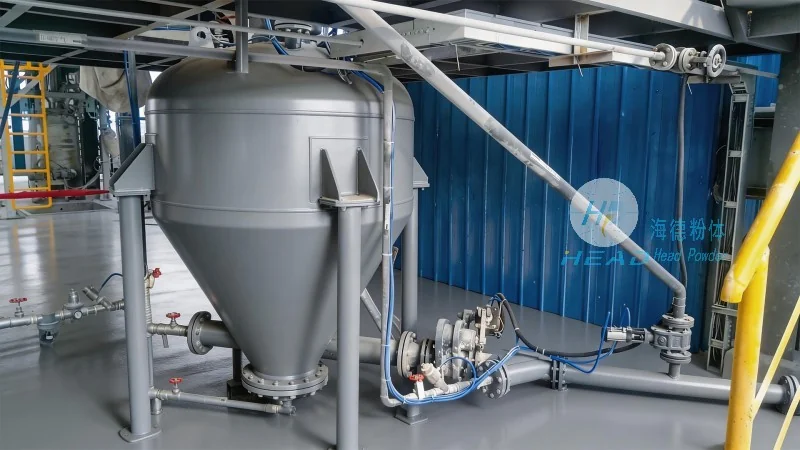
Implementing a potassium hydroxide powder conveying machine offers several advantages in industrial settings. Firstly, it significantly improves the efficiency of material handling by automating the transport process, reducing the need for manual labor and minimizing the risk of human error. The automated system can operate continuously, ensuring a steady supply of KOH to the production line, which is crucial for maintaining production schedules and meeting customer demands. Secondly, the machine is designed to handle the hygroscopic and reactive properties of KOH powder, preventing moisture absorption and chemical reactions that could compromise the quality of the material. This is achieved through the use of sealed systems and controlled environmental conditions within the conveying pipes. Thirdly, the system is highly customizable, allowing manufacturers to adapt the machine to their specific operational needs, such as varying production volumes or changing process requirements. However, there are also considerations to keep in mind when using these machines. For example, regular maintenance is essential to ensure the longevity and reliability of the equipment. This includes checking for air leaks, cleaning the conveying lines, and inspecting the components for wear and tear. Additionally, the system must be properly integrated with the overall production process to avoid disruptions and ensure smooth operation.




