

Principle and Working Scene Characteristics of Molybdenum Trioxide Powder Conveying Equipment
HeadPowder, a leading provider in the field of powder handling technology, specializes in the design and manufacturing of advanced conveying systems tailored for high-performance applications such as molybdenum trioxide (MoO₃) powder. This article delves into the fundamental principles underlying the operation of these specialized conveying equipment and highlights the key characteristics that define their performance across diverse industrial scenarios.
Introduction to Molybdenum Trioxide Powder Conveying Systems
Molybdenum trioxide is a critical industrial material widely used in the production of molybdenum compounds, catalysts, and various high-tech applications. The efficient and reliable transportation of MoO₃ powder from storage to processing units is essential for maintaining production efficiency and product quality. Conveying equipment specifically engineered for this powder, such as pneumatic or mechanical systems, plays a pivotal role in ensuring seamless material flow while adhering to strict safety and contamination control standards.
Core Principles of Powder Conveying Equipment
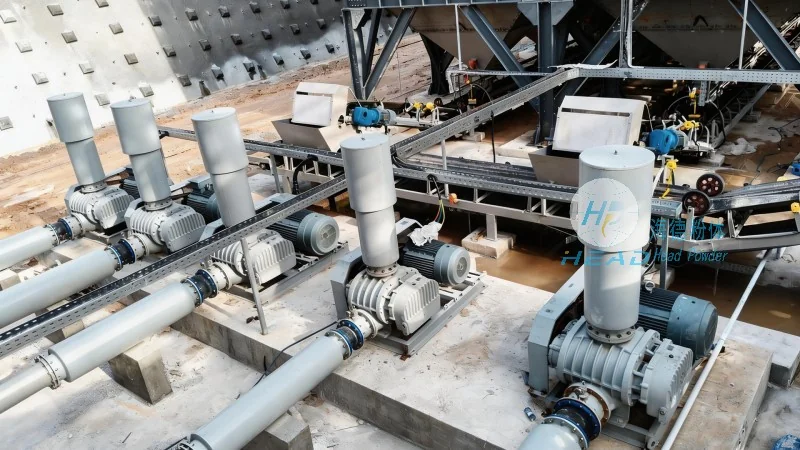
The operation of molybdenum trioxide powder conveying equipment is based on several fundamental principles that govern the movement of fine powders. One of the most common methods is pneumatic conveying, which utilizes air or other gases to transport the powder through a pipeline. This approach is particularly effective for MoO₃ due to its fine particle size and potential for static charge accumulation. The equipment typically includes a hopper for material storage, a feeder to control the flow rate, a conveying line, and a receiver for the discharged material. The air flow is regulated to create a consistent pressure differential that propels the powder through the system, minimizing particle degradation and ensuring uniform distribution.
Another principle involves mechanical conveying systems, such as screw conveyors or belt conveyors, which rely on mechanical force to move the powder. These systems are often preferred in scenarios where the powder is prone to caking or where a more direct, contact-based transfer is required. The mechanical design of these devices, including the pitch and speed of the screw or the tension of the belt, is optimized to prevent material buildup and ensure smooth operation. For MoO₃, which can be hygroscopic or reactive under certain conditions, mechanical conveyors may offer advantages in terms of temperature control and reduced exposure to air.
Working Scene Characteristics of Molybdenum Trioxide Conveying Equipment
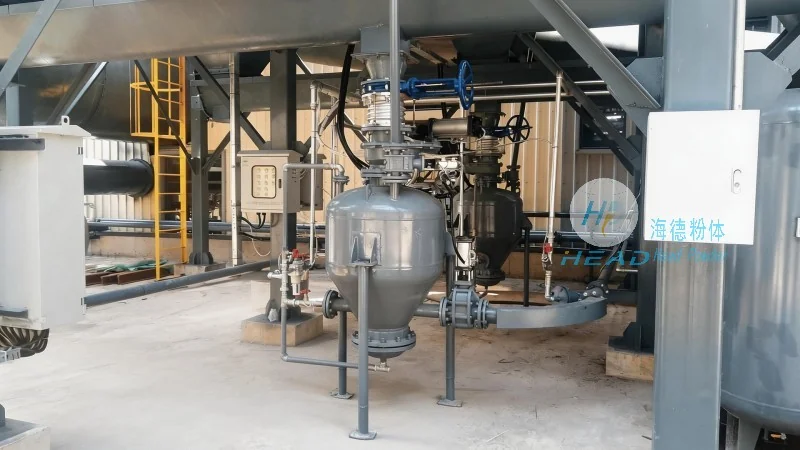
The performance of molybdenum trioxide powder conveying equipment is significantly influenced by the specific working environment and application requirements. Different industrial settings present unique challenges that dictate the choice of equipment and operational parameters. For instance, in large-scale production facilities, the equipment must handle high throughput volumes while maintaining consistent flow rates. This often requires multi-stage conveying systems or high-capacity feeders to prevent bottlenecks and ensure continuous operation.
In contrast, laboratory or small-scale production environments may demand more precise control over the powder flow, such as in quality control or research applications. Here, the equipment may incorporate advanced sensors and feedback mechanisms to adjust the conveying rate in real-time, ensuring accurate dosing and minimizing waste. The working scene characteristics also include considerations related to the material's properties, such as its density, moisture content, and tendency to form agglomerates. These factors influence the selection of conveying method and equipment design to prevent issues like blockages or uneven distribution.
Another key aspect is the safety and environmental considerations in industrial settings. Molybdenum trioxide, like many fine powders, can pose inhalation hazards and may require enclosed systems to contain dust and prevent contamination. The conveying equipment must be designed with features such as dust collection systems, explosion-proof components, and proper sealing to mitigate these risks. Additionally, the equipment's durability and resistance to corrosion are critical, especially when handling materials that may be acidic or reactive. The working scene characteristics thus extend to the operational reliability and maintenance requirements, as equipment must be able to withstand continuous use in demanding environments.
Application-Specific Performance and Optimization
When applied in real-world scenarios, the performance of molybdenum trioxide powder conveying equipment is optimized based on the specific application. For example, in the production of molybdenum disulfide (MoS₂) or other molybdenum-based catalysts, the equipment must ensure that the MoO₃ powder is delivered to the reactor with minimal loss and consistent particle size distribution. This requires precise control over the conveying speed and pressure, as well as the use of specialized materials for the conveying line to prevent contamination or reaction with the powder.
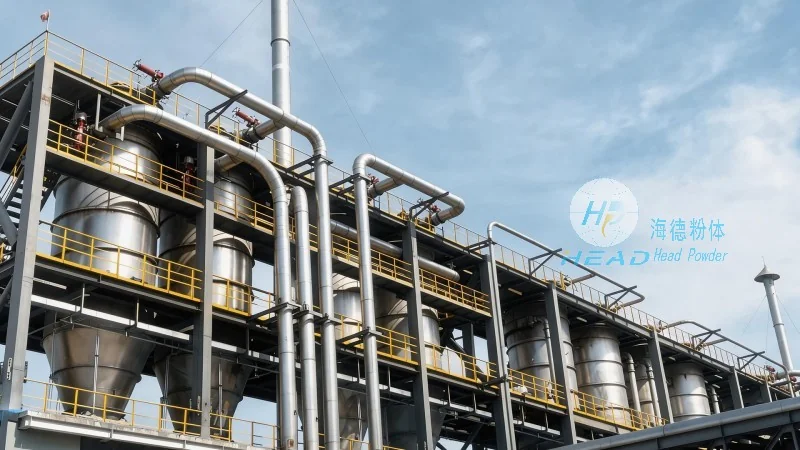
In industrial processes involving the blending of MoO₃ with other materials, the conveying equipment may need to integrate with mixing systems to ensure homogeneous mixing. The working scene characteristics here include the need for consistent flow rates and the ability to handle different powder compositions without clogging or degradation. The optimization of these systems often involves iterative testing and adjustments to the equipment parameters, such as air velocity or screw speed, to achieve the desired performance.
Furthermore, the working scene characteristics may vary based on the scale of the operation. Large-scale plants may utilize automated control systems that monitor and adjust the conveying process based on real-time data from sensors, such as pressure, flow rate, and temperature. This level of automation enhances efficiency and reduces the risk of human error, while also providing data for process optimization and maintenance planning. The equipment's integration with broader production lines, including storage, processing, and packaging, is also a key aspect of its working scene characteristics, as it must align with the overall workflow and ensure seamless material transfer.
Conclusion: Tailored Solutions for Molybdenum Trioxide Handling
In conclusion, the principles and working scene characteristics of molybdenum trioxide powder conveying equipment are critical to the success of industrial applications. The choice of conveying method, equipment design, and operational parameters must be carefully considered to address the unique challenges posed by MoO₃ powder, including its fine particle size, potential for static charge, and industrial application requirements. HeadPowder, with its expertise in powder handling technology, provides customized solutions that meet these demands, ensuring efficient, safe, and reliable material transport across various industrial scenarios. By understanding the core principles and adapting to the specific working environment, these conveying systems play a vital role in maintaining productivity and product quality in the molybdenum trioxide processing industry.