

Principle and Working Scene Characteristics of Quicklime Powder Conveying Equipment
HeadPowder, a leading manufacturer based in Shandong, China, specializes in the design and production of specialized conveying equipment for bulk materials like quicklime powder. This article explores the fundamental principles behind quicklime powder conveying systems and highlights the key characteristics of their operational environments.
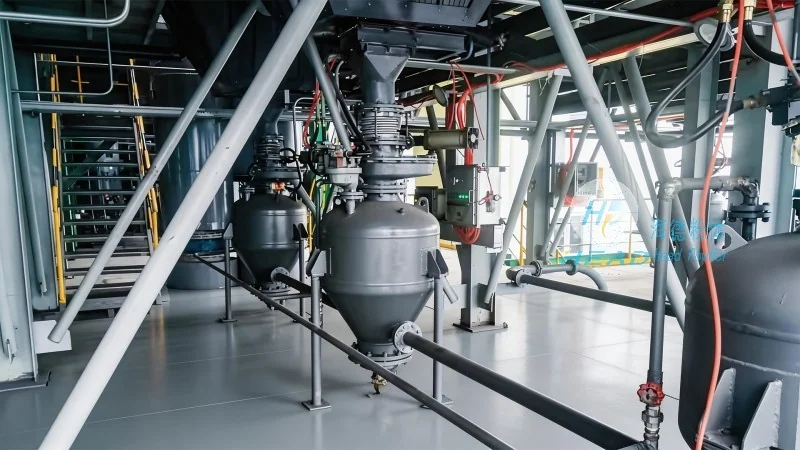
Company Profile and Location
HeadPowder Engineering Co., Ltd. is a reputable enterprise dedicated to providing high-quality bulk material handling solutions. The company is headquartered in Shandong, China, where it leverages advanced technology and extensive industry experience to develop efficient and reliable conveying equipment. Our focus is on meeting the specific needs of clients in various industries that require precise and safe transportation of quicklime powder.
The Working Principle of Quicklime Powder Conveying Equipment
Quicklime powder conveying equipment operates on the principle of material transport through mechanical or pneumatic systems. The primary goal is to move quicklime powder from storage silos or production areas to processing units or storage locations without compromising the material's quality or causing dust contamination. There are two main types of conveying systems commonly used for quicklime powder: pneumatic conveying and mechanical conveying.
Pneumatic conveying systems utilize air pressure to transport the powder. In this method, quicklime powder is fed into a pipeline where it is carried by a stream of air. The system typically includes a blower, a hopper for material feeding, and a discharge point. This approach is particularly effective for long-distance or high-volume transport, as it minimizes the risk of material degradation and dust exposure. However, it requires careful control of air pressure and flow rates to ensure efficient and safe operation.
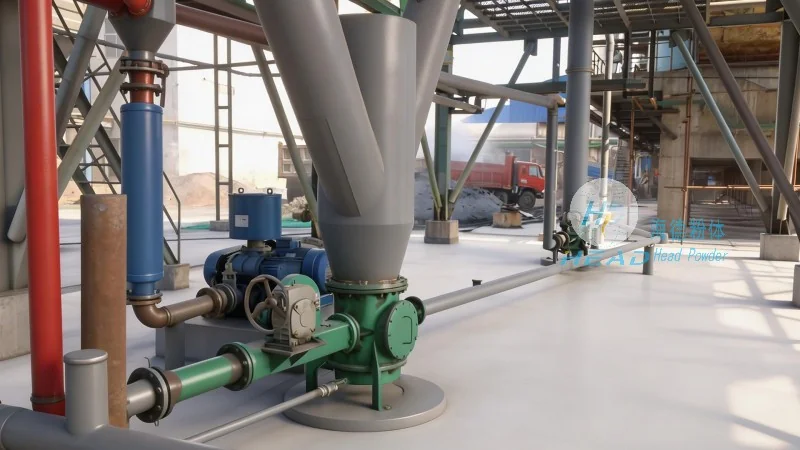
Mechanical conveying systems, on the other hand, rely on mechanical components such as screw conveyors, belt conveyors, or bucket elevators. Screw conveyors are widely used for quicklime powder due to their ability to handle dry, free-flowing materials. These systems consist of a rotating screw inside a tube, which pushes the powder forward. Belt conveyors are suitable for transporting larger quantities of quicklime powder over short to medium distances, while bucket elevators are ideal for vertical transport. Mechanical systems are generally more cost-effective and easier to maintain compared to pneumatic systems, but they may be less suitable for handling fine or dusty powders.
Key Characteristics of Working Scenes for Quicklime Powder Conveying
The operational environments for quicklime powder conveying equipment are characterized by several factors that influence equipment design and performance. First, the material's properties, such as its fineness, moisture content, and flowability, play a crucial role. Quicklime powder is often a fine, dry powder that can be prone to dust generation, which requires effective dust control measures. Second, the application environment, including the scale of production, the distance between source and destination, and the need for continuous or intermittent operation, determines the type of conveying system to be used.
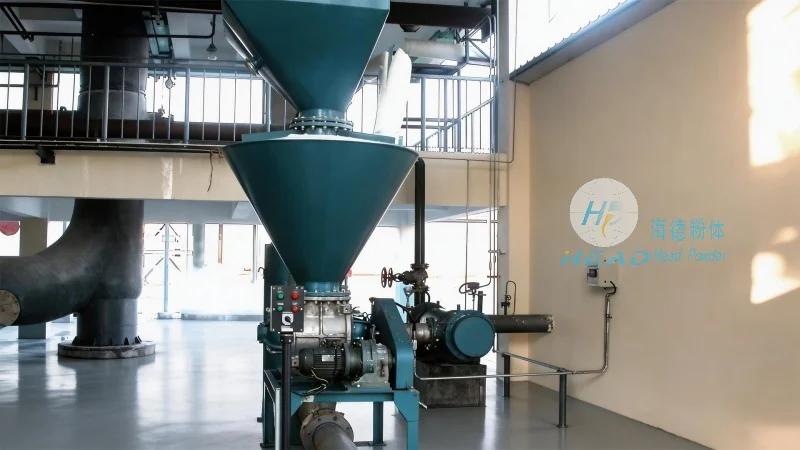
In industrial settings, quicklime powder is commonly used in processes like flue gas desulfurization, water treatment, and steel production. The conveying equipment must be designed to handle the specific requirements of these applications. For example, in flue gas desulfurization plants, the equipment needs to transport quicklime powder to the reaction towers efficiently and reliably, often under high-pressure conditions. In water treatment facilities, the system must ensure that the powder is delivered to the treatment tanks without causing blockages or contamination.
Environmental considerations are also critical in the working scenes of quicklime powder conveying equipment. Dust control is a major concern, as fine powders can pose health risks and environmental hazards. Therefore, many conveying systems incorporate dust collection and filtration systems to minimize emissions. Additionally, the equipment must be constructed from materials that are resistant to corrosion and wear, given the chemical properties of quicklime powder. This ensures long-term durability and operational efficiency.
Conclusion
Quicklime powder conveying equipment is a vital component in industries that rely on bulk material handling. Understanding the working principles and operational characteristics of these systems is essential for selecting the right equipment and ensuring optimal performance. HeadPowder Engineering Co., Ltd. continues to innovate and provide tailored solutions that meet the diverse needs of its clients, contributing to safer and more efficient industrial processes.