

[Dry Soybean Powder Conveying: Principles and Application Scenarios]
Understanding the principles and characteristics of dry soybean powder conveying is crucial for optimizing material handling in various industrial applications. This article explores the fundamental mechanisms behind dry soybean powder transportation and highlights key working scene characteristics that define its effective implementation.
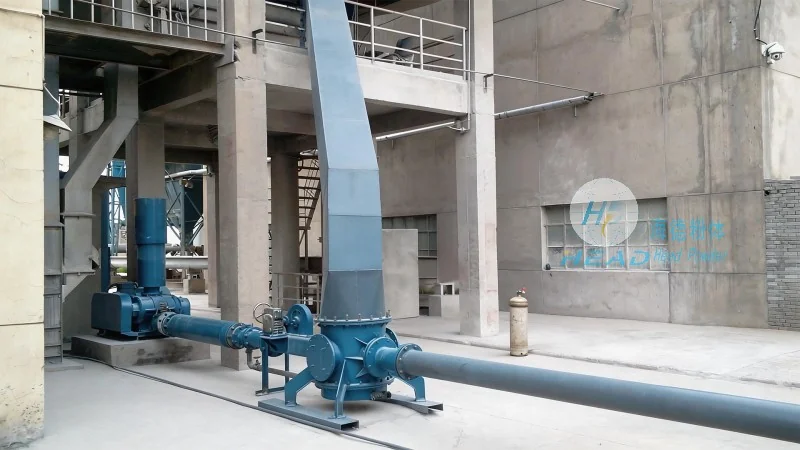
Principles of Dry Soybean Powder Conveying
Dry soybean powder conveying relies on several core principles to efficiently move bulk materials from one location to another. The primary methods include pneumatic conveying, mechanical conveying, and hybrid systems. Pneumatic conveying, for instance, uses air or gas to transport particles through a pipeline, leveraging pressure differentials or vacuum to move the material. This method is particularly effective for dry soybeans due to their low moisture content and relatively fine particle size, which reduces friction and improves flow characteristics. Mechanical conveying, such as screw conveyors or belt conveyors, utilizes mechanical components to move the powder, offering advantages in handling larger particles or materials with higher moisture content. Hybrid systems combine both pneumatic and mechanical elements to achieve optimal performance, balancing efficiency and cost-effectiveness.
Working Scene Characteristics of Dry Soybean Powder Conveying
The working scene characteristics of dry soybean powder conveying are shaped by the specific requirements of the application environment. In food processing facilities, for example, conveying systems must adhere to strict hygiene standards and comply with food safety regulations. This often involves the use of stainless steel components, sealed systems, and easy-to-clean designs to prevent contamination and ensure product quality. The scale of operations also varies, with some facilities requiring high-capacity conveying for large-scale production, while others may need more compact systems for smaller batch processing. Environmental factors, such as temperature and humidity, play a significant role in determining the most suitable conveying method. In regions with high humidity, for instance, moisture control becomes critical to prevent clumping or degradation of the soybean powder, which can affect its quality and usability. Additionally, the layout of the facility and the need for flexibility in material routing influence the choice of conveying system. Some applications may require multiple conveyors connected in series or parallel to achieve complex material flow paths, while others may rely on a single, integrated system for simplicity and efficiency.
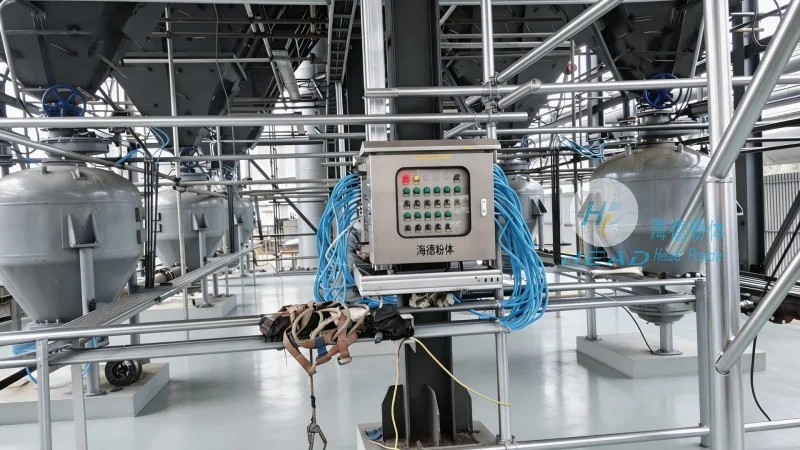
Application Examples and Industry Relevance
Dry soybean powder conveying is widely used in various industries, including food processing, animal feed production, and chemical manufacturing. In the food industry, it is essential for transporting soybean powder to processing lines, where it may be used to produce soy milk, tofu, or other soy-based products. The efficiency of the conveying system directly impacts production throughput and product consistency. In animal feed production, dry soybean powder is a key ingredient, and reliable conveying ensures that the material is delivered to mixing and extrusion equipment without loss or degradation. The ability to handle large volumes of powder at a consistent rate is critical for maintaining production schedules and meeting market demands. In chemical applications, soybean powder may be used as a raw material in the production of biodiesel or other bio-based products, where precise control over material flow is necessary to optimize reaction processes and product quality.
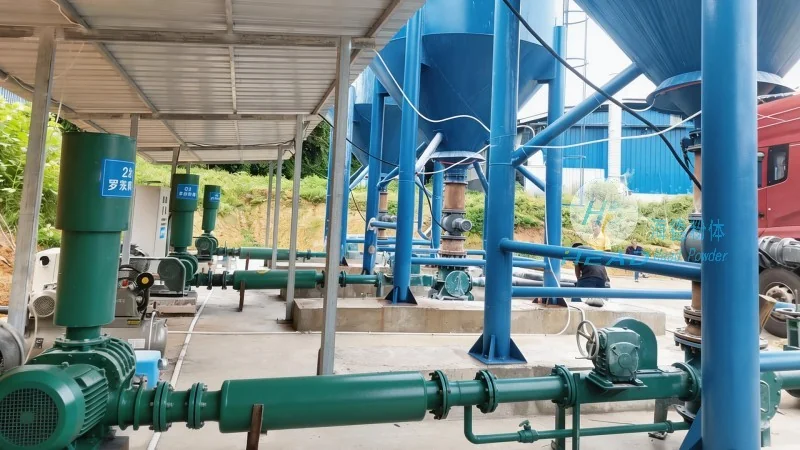
Key Considerations for Effective Dry Soybean Powder Conveying
Several factors must be considered to ensure the effective and reliable operation of dry soybean powder conveying systems. Material properties, such as particle size distribution, density, and moisture content, significantly affect the choice of conveying method and system design. For example, fine soybean powder may require a more controlled pneumatic system to prevent clogging or loss of material, while coarser particles may be better suited for mechanical conveyors. System design and maintenance are also critical. Properly sized pipelines, appropriate air flow rates, and regular maintenance of components like filters and valves are essential to prevent system downtime and ensure long-term performance. Energy efficiency is another important consideration, as conveying systems can consume significant energy. Optimizing air pressure, using efficient motors, and selecting the right system for the application can help reduce operational costs and environmental impact. Additionally, safety considerations, such as preventing dust explosions or ensuring proper ventilation, must be addressed to protect workers and equipment.
Conclusion
Dry soybean powder conveying is a vital process in industries that rely on bulk material handling. By understanding the principles behind different conveying methods and the specific characteristics of working scenes, businesses can select and implement the most effective systems for their needs. The combination of pneumatic and mechanical technologies, along with careful consideration of material properties and operational requirements, enables efficient and reliable transportation of dry soybean powder. As demand for soy-based products continues to grow, the importance of optimized conveying systems will only increase, supporting the growth of industries such as food processing and animal feed production.