

Principle and Working Scene Characteristics of Lithium Manganese Oxide Pneumatic Conveying Equipment
HeadPowder, a leading provider in the field of material handling solutions, specializes in the design, manufacturing, and application of advanced pneumatic conveying systems. This article delves into the fundamental principles and operational characteristics of lithium manganese oxide (LiMnO₂) pneumatic conveying equipment, highlighting its significance in modern industrial processes.
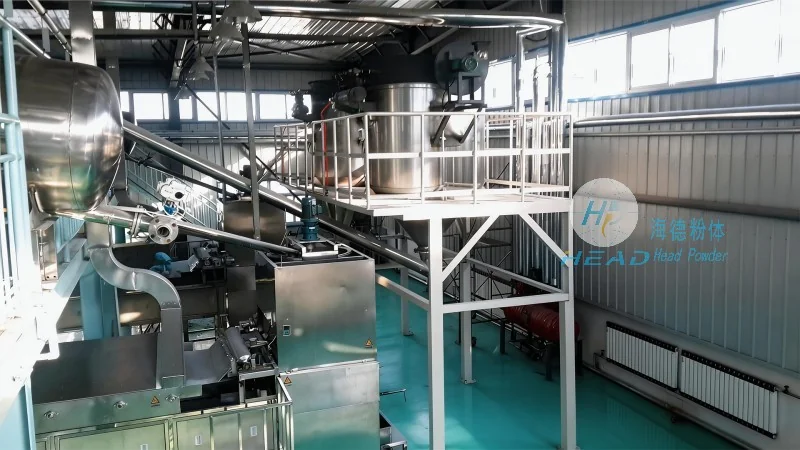
Understanding the Core Principle of Pneumatic Conveying
The pneumatic conveying system for lithium manganese oxide operates on the principle of transporting bulk materials through a pipeline using compressed air. This method eliminates the need for mechanical components like belts or buckets, offering a more efficient and flexible solution for material transport. The system typically consists of a hopper, a rotary valve, a conveying pipe, and a receiver. The material is fed into the hopper, and as compressed air is introduced, it creates a flow that propels the material through the pipeline to the desired destination. This process is particularly effective for handling fine powders and granules, such as lithium manganese oxide, which are often sensitive to mechanical stress or contamination.
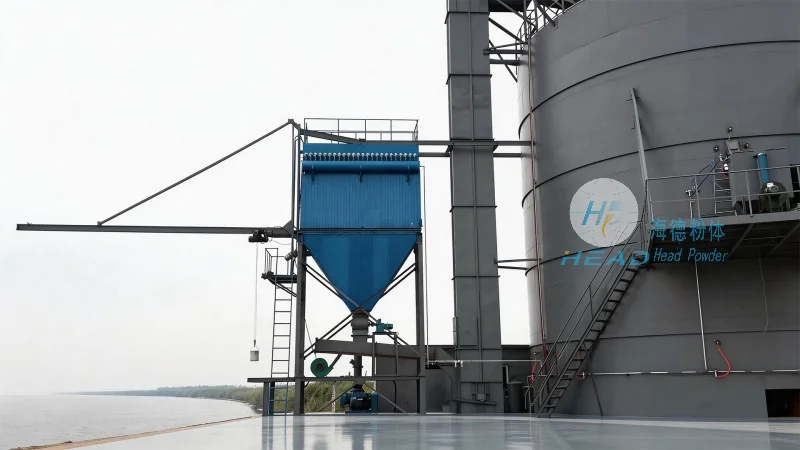
Key Working Scene Characteristics
The working scene characteristics of lithium manganese oxide pneumatic conveying equipment are tailored to meet the specific demands of industrial applications. These characteristics include high efficiency in material transport, minimal product degradation, and the ability to handle materials with varying particle sizes and moisture content. The system is designed to maintain a consistent flow rate, ensuring reliable delivery of the material to processing units or storage facilities. Additionally, the equipment is built with materials that are resistant to corrosion and chemical reactions, making it suitable for handling lithium manganese oxide, which can be reactive under certain conditions.
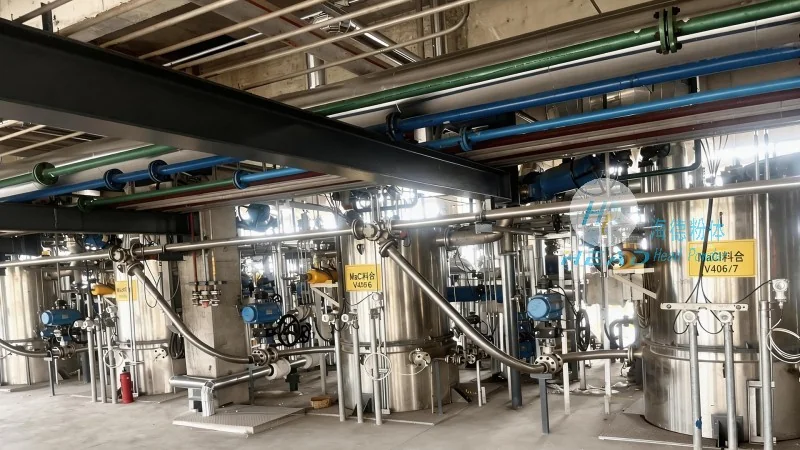
Application Scenarios and Operational Advantages
Lithium manganese oxide pneumatic conveying equipment is widely used in various industrial settings, including battery manufacturing plants, chemical processing facilities, and material handling operations. In battery production, for instance, the equipment efficiently transports raw materials to mixing and processing lines, ensuring a continuous supply of lithium manganese oxide for battery cell formation. The operational advantages of this system include reduced labor costs, minimized downtime due to maintenance, and improved safety by eliminating manual handling of hazardous materials. Furthermore, the system's compact design allows for easy integration into existing production lines, adapting to the space constraints of modern industrial environments.
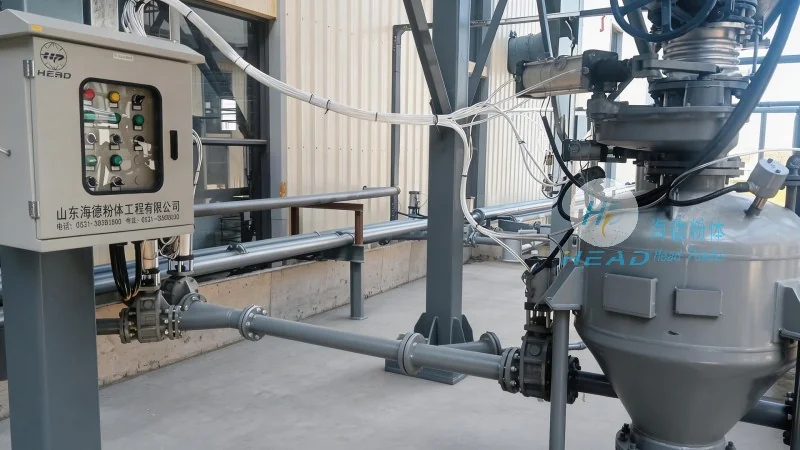
Company Background and Expertise
Shandong HeadPowder Engineering Co., Ltd., the parent company of HeadPowder, has established itself as a trusted name in the engineering and manufacturing of material handling solutions. With a strong focus on innovation and customer-centric design, the company has developed a range of pneumatic conveying systems tailored to the needs of diverse industries. HeadPowder's expertise lies in understanding the unique requirements of materials like lithium manganese oxide, ensuring that their equipment delivers optimal performance and reliability. The company's facilities are located in Shandong, China, where it leverages advanced manufacturing technologies and a skilled workforce to produce high-quality conveying equipment that meets international standards.