

Principles and Application Scenarios of Low-Pressure Pneumatic Conveying
HeadPowder, or Shandong HeadPowder Engineering Co., Ltd., is a professional engineering company based in Shandong, China, specializing in the design, manufacturing, and implementation of low-pressure pneumatic conveying systems. Our expertise lies in providing efficient and reliable solutions for material handling across various industries.
Principles of Low-Pressure Pneumatic Conveying
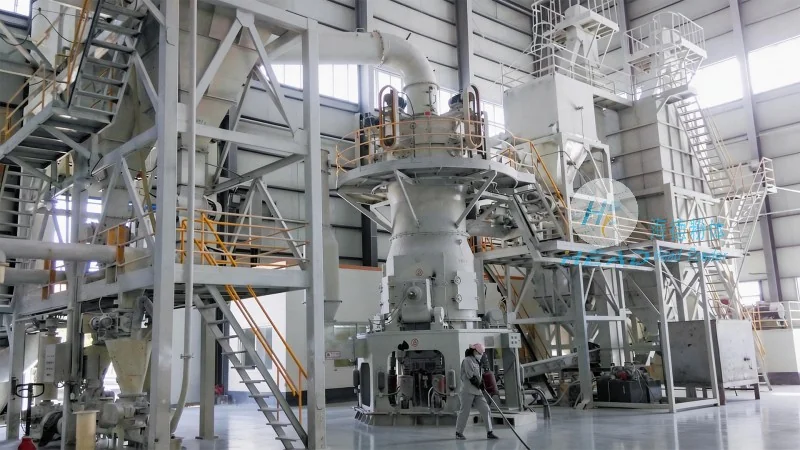
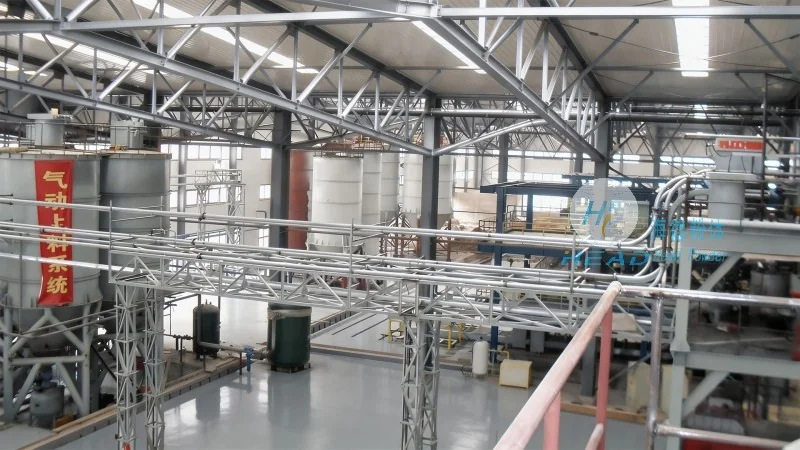
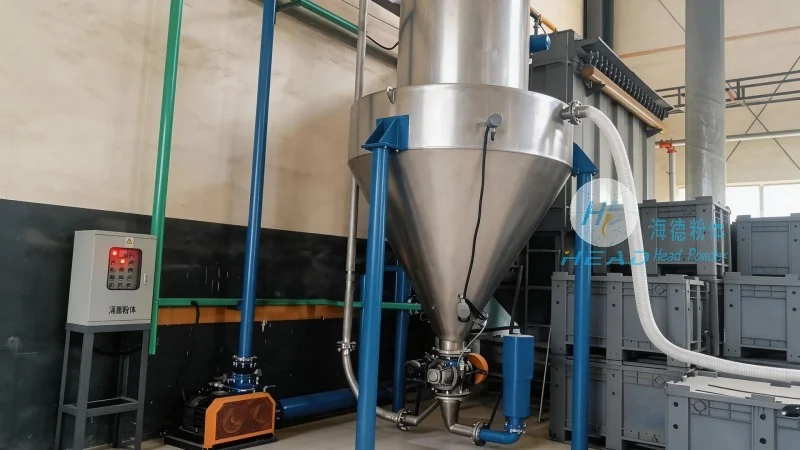
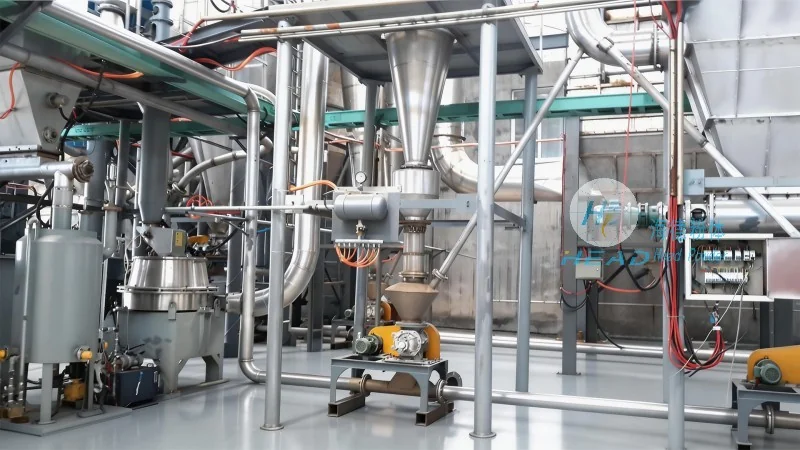
Low-pressure pneumatic conveying operates on the principle of using air as the conveying medium to transport bulk materials. Unlike high-pressure systems, low-pressure systems typically maintain air pressure between 0.5 to 1.5 bar above atmospheric pressure. This approach minimizes energy consumption while ensuring effective material movement. The system consists of a hopper, a conveyor line, and a receiver, where air is introduced to create a flow of material through the pipeline. The key components include a blower or fan to generate the air flow, a filter to separate material from air, and a control system to regulate the conveying process. The design of the conveying line, including the diameter and length, is critical to maintaining optimal air velocity and preventing material deposition or blockages. The air velocity must be sufficient to keep the material suspended but not so high as to cause excessive wear on the system components. Proper air distribution and flow control are essential for consistent performance and to avoid system inefficiencies.