

Working Principle and Features of Hydrated Lime Material Pneumatic Conveying Systems
Shandong HeadPowder Engineering Co., Ltd., commonly known as HeadPowder, specializes in the design, manufacturing, and installation of advanced pneumatic conveying systems tailored for various industrial applications. One of the key materials handled by such systems is hydrated lime, a versatile chemical widely used in construction, agriculture, and environmental treatment. This article explores the working principle and distinctive features of the pneumatic conveying systems engineered by HeadPowder for transporting hydrated lime efficiently and reliably.
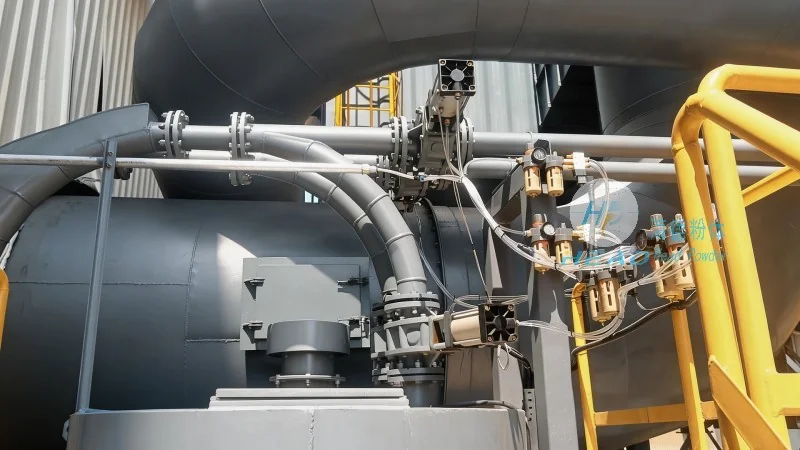
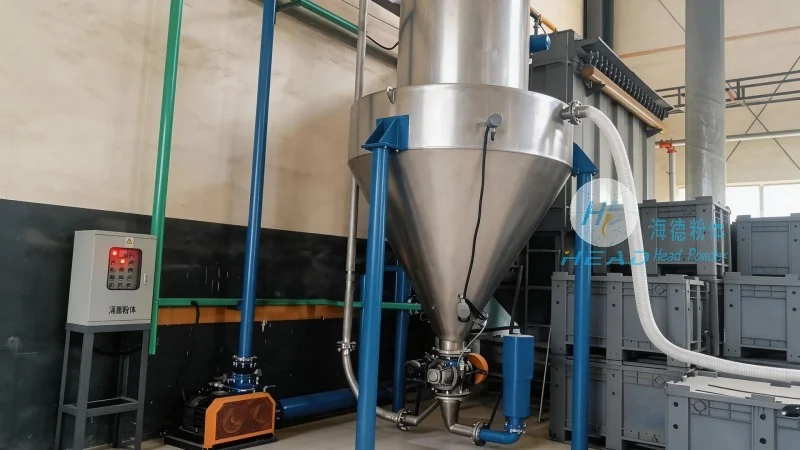
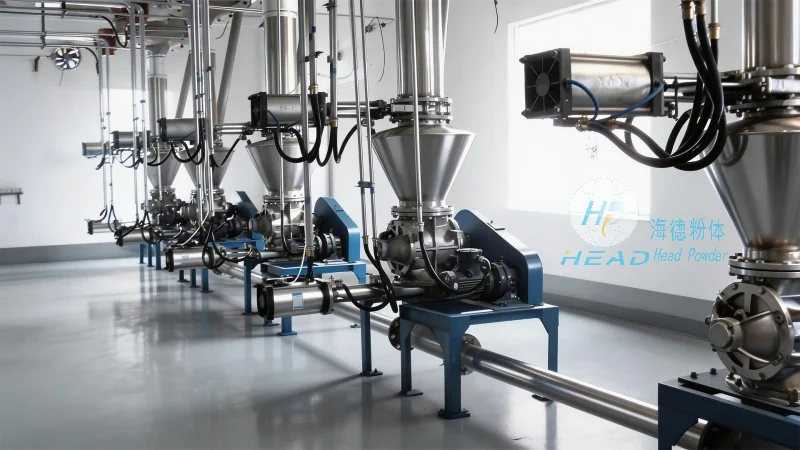
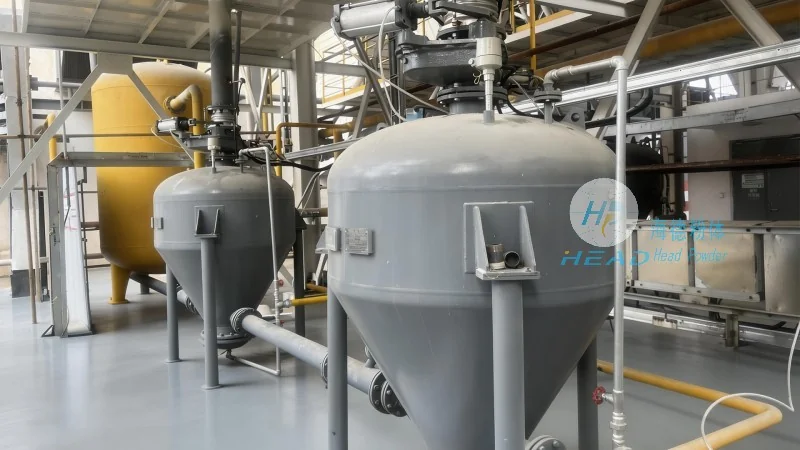
The Working Principle of Hydrated Lime Material Pneumatic Conveying Systems
The core mechanism of a pneumatic conveying system involves the use of compressed air or gas to transport bulk materials like hydrated lime through a pipeline. The process typically begins with the material being fed into a hopper or feeder, where it is then introduced into the conveying line. As the air is introduced into the pipeline, it creates a low-pressure zone that draws the material particles into the flow. The mixture of air and material travels through the pipeline at high velocity, ensuring that the material is transported to the destination without the need for mechanical components like belts or buckets. The system utilizes a combination of pressure and velocity to maintain the material in suspension, preventing clogging and ensuring consistent flow rates. HeadPowder's systems are engineered with precision to optimize the air-to-material ratio, which is crucial for achieving efficient and cost-effective transportation of hydrated lime. The design incorporates advanced control systems that regulate the air pressure and flow rate, ensuring that the conveying process is both reliable and energy-efficient.
Key Features of Hydrated Lime Material Pneumatic Conveying Systems
HeadPowder's pneumatic conveying systems for hydrated lime offer several advantages that make them ideal for industrial applications. Firstly, the systems are designed for high efficiency, minimizing material loss and ensuring that the entire batch is transported to the target location. The use of compressed air allows for a dust-free and clean operation, which is particularly important when handling materials like hydrated lime that can generate dust. This feature not only improves safety in the workplace but also reduces the need for additional dust control measures. Secondly, the systems are highly flexible and can be adapted to various layouts and distances, from short horizontal runs to long vertical or inclined paths. The modular design of HeadPowder's systems enables easy integration into existing production lines, reducing installation time and costs. Thirdly, the systems are built for durability and low maintenance, with components made from corrosion-resistant materials to withstand the chemical properties of hydrated lime. This ensures long-term reliability and reduces downtime, which is critical for maintaining production schedules. Additionally, the systems are equipped with advanced monitoring and control features, allowing operators to track the conveying process in real-time and make adjustments as needed. This level of control enhances operational efficiency and helps in optimizing the overall performance of the system.