

Working Principle and Features of Steel and Limestone Powder Pneumatic Conveying Systems
Steel and limestone powder pneumatic conveying systems are essential equipment in industrial processes, particularly in the steel and chemical industries. These systems efficiently transport bulk powders like steel dust and limestone over long distances with minimal loss and contamination. Understanding their working principles and key features is crucial for optimizing material handling operations and ensuring system reliability. HeadPowder, a leading provider of engineering solutions, specializes in designing and manufacturing such systems tailored to the needs of industrial clients.
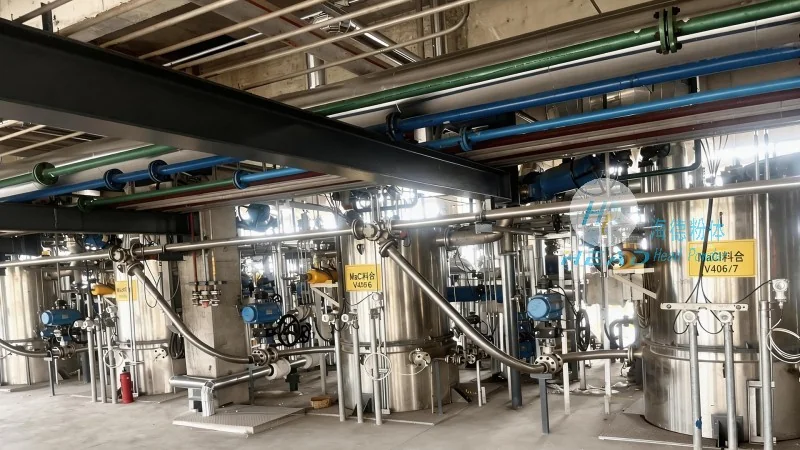
Overview of Pneumatic Conveying Systems
Pneumatic conveying systems utilize air or gas to transport particulate materials through a pipeline network. In the context of steel and limestone powders, these systems are designed to handle abrasive and potentially reactive materials, requiring robust construction and specialized components. The primary goal is to achieve efficient, cost-effective material transfer while maintaining product quality and system safety.
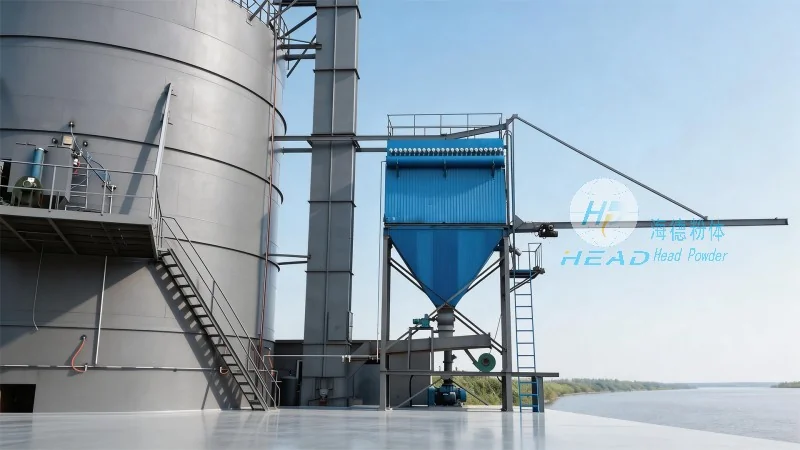
Working Principle of Steel and Limestone Powder Pneumatic Conveying
The operation of a steel and limestone powder pneumatic conveying system typically involves several key steps. First, the powder material is fed into a hopper or feeder, where it is metered and introduced into the conveying line. Next, a blower or compressor generates the necessary air pressure to move the material through the pipeline. The material is carried by the air stream, which can be either dense phase or dilute phase, depending on the system design. The conveying line may include components such as bends, filters, and cyclones to direct the flow and separate the powder from the air. Finally, the material is discharged at the destination point, and the air is either filtered and recirculated or vented to the atmosphere.
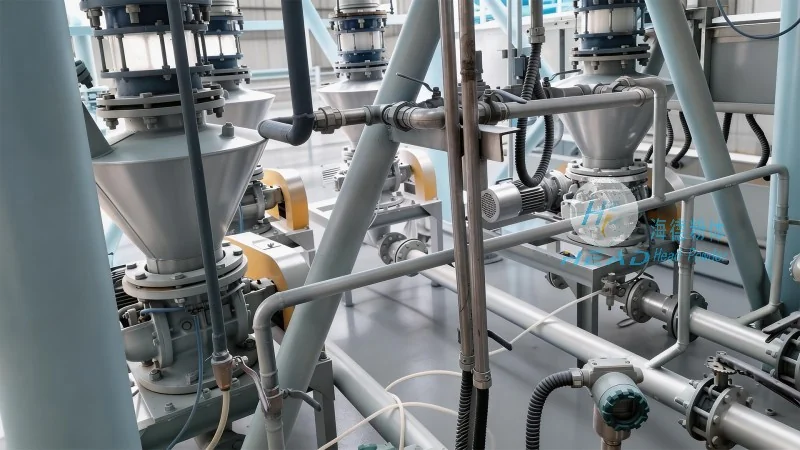
Key Features of Steel and Limestone Powder Pneumatic Conveying Systems
Several critical features distinguish effective steel and limestone powder pneumatic conveying systems. One of the most important is the system's ability to handle abrasive materials without excessive wear. This is achieved through the use of high-quality materials of construction, such as stainless steel or specialized alloys, in the conveying line and components. Another key feature is the system's efficiency in minimizing material degradation and contamination. This is ensured by maintaining consistent air pressure, proper particle size distribution, and effective filtration systems. Additionally, modern systems often incorporate advanced controls and monitoring to optimize performance, reduce energy consumption, and enhance safety. The flexibility of these systems to handle varying material loads and distances is also a significant advantage, allowing for customization to meet specific industrial requirements.
Applications and Benefits in Industrial Settings
Steel and limestone powder pneumatic conveying systems are widely used in various industrial applications, including steel production, cement manufacturing, and chemical processing. In steel production, these systems efficiently transport steel dust and limestone for use in blast furnaces and other processes, improving operational efficiency and reducing material handling costs. In cement manufacturing, they facilitate the transport of limestone and other raw materials to production facilities, contributing to streamlined operations and reduced downtime. The benefits of these systems extend beyond material transport, as they also help maintain a clean and safe working environment by containing dust and preventing contamination. Furthermore, the use of pneumatic conveying reduces the need for manual handling, minimizing the risk of workplace injuries and improving overall operational safety.
Conclusion
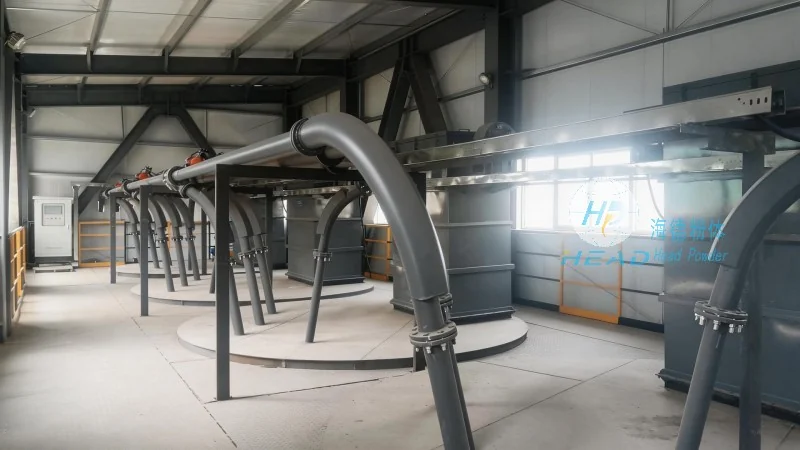
Steel and limestone powder pneumatic conveying systems are sophisticated industrial solutions that combine advanced engineering with robust construction to meet the demanding requirements of material handling in the steel and chemical industries. By understanding their working principles and key features, industries can optimize their operations, enhance product quality, and ensure long-term system reliability. With continuous advancements in technology, these systems continue to evolve, offering improved efficiency, flexibility, and sustainability for modern industrial applications.