

Working Principle and Features of Calcium Phosphate Powder Pneumatic Conveying System
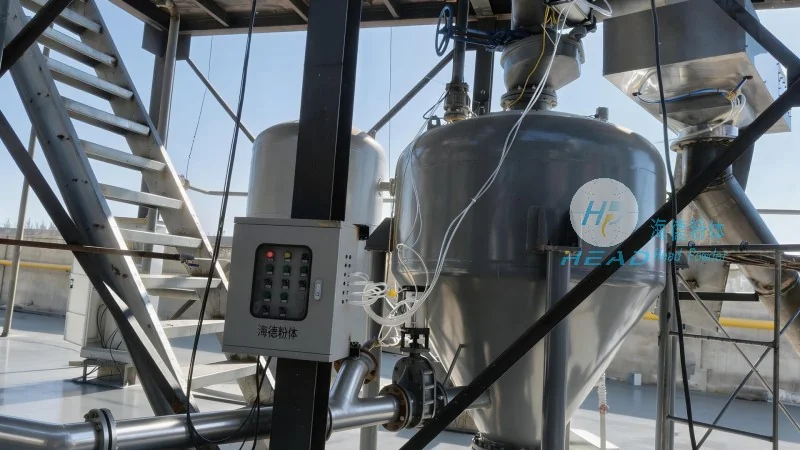
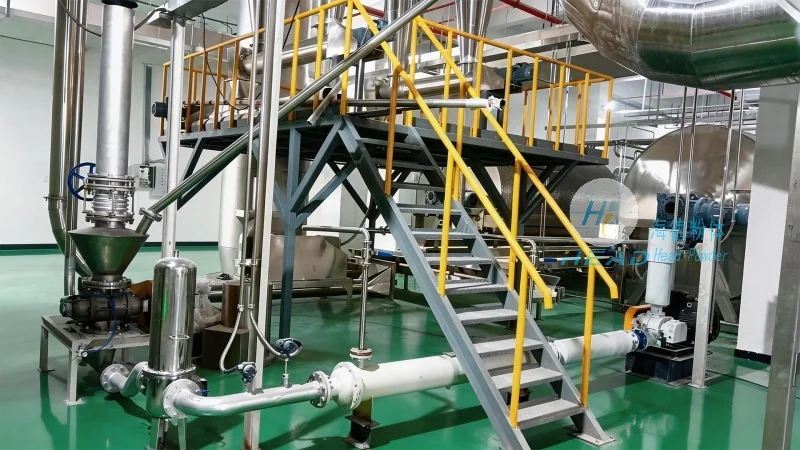
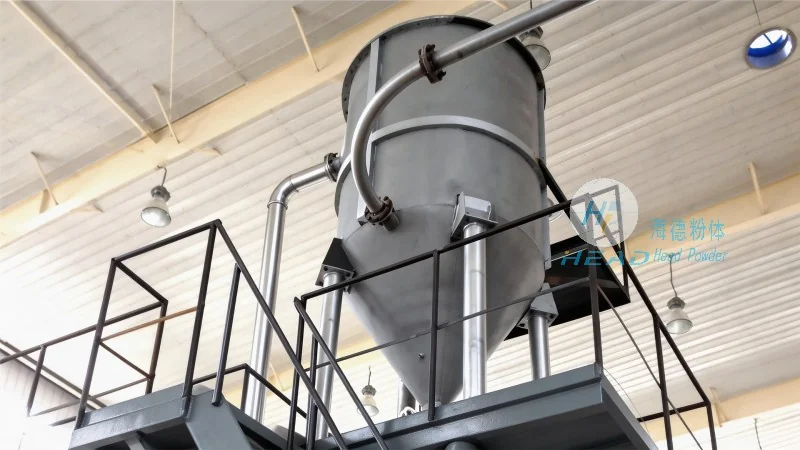
Calcium phosphate powder pneumatic conveying systems operate based on the fundamental principles of pneumatic transport, which involves the movement of particulate materials through a pipeline using a gas stream, typically air. In the context of calcium phosphate powder, a common inorganic material utilized in industries such as food, pharmaceuticals, and chemical manufacturing, the system’s design is optimized to handle the powder’s specific properties, including particle size, density, and flow characteristics. The core mechanism relies on creating a pressure differential within the conveying line, where a blower or compressor generates the necessary airflow to lift and transport the powder particles. The system typically comprises several key components: a hopper for material storage, a feeder to regulate the flow rate, a conveying line (including bends and straight sections), and a receiver for the discharged material. The air and powder mixture travels through the pipeline, with the air velocity maintained above the minimum fluidization velocity to prevent particle settlement. This ensures a continuous and efficient transfer of calcium phosphate powder from the source to the destination. The process is often automated, with sensors and control systems monitoring parameters like pressure, flow rate, and particle concentration to optimize performance and prevent blockages or system failures.
Key Features of Calcium Phosphate Powder Pneumatic Conveying Systems
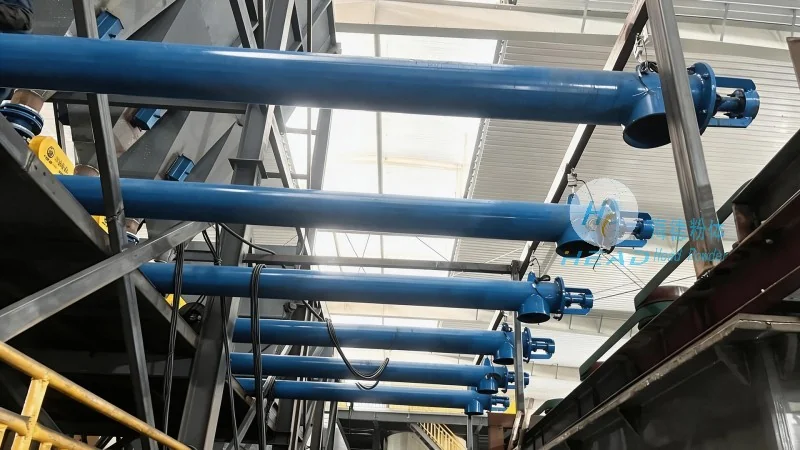
Calcium phosphate powder pneumatic conveying systems offer several advantages that make them suitable for industrial applications. One primary feature is their ability to handle fine powders like calcium phosphate without mechanical components that might cause wear or contamination. The system’s design minimizes product degradation, as the material is conveyed in a closed loop, reducing exposure to air and moisture. Additionally, the pneumatic transport method allows for flexible routing, enabling the system to be installed in various layouts without complex mechanical linkages. Another important feature is the system’s scalability, which can be adjusted to handle different capacities based on production requirements. The use of air as the conveying medium provides a hygienic and clean environment, crucial for applications in the food and pharmaceutical industries where product purity is paramount. Furthermore, the system can be integrated with other processing equipment, such as mixers or reactors, to form a complete production line. Modern control systems in calcium phosphate powder pneumatic conveying systems incorporate real-time monitoring and data logging to enhance operational efficiency and maintenance planning, reducing downtime and ensuring consistent product quality. The durability of system components, particularly the conveying line and fittings, is another notable feature, as they are designed to withstand the abrasive nature of calcium phosphate particles over extended operation periods. Overall, these features make calcium phosphate powder pneumatic conveying systems a reliable and efficient solution for material handling in various industrial sectors.