For clients seeking efficient and reliable solutions for foundry sand powder handling, understanding the working principle and features of pneumatic conveying systems is crucial. This article provides an in-depth overview of the technology, focusing on the core components, operational mechanisms, and key advantages of foundry sand powder pneumatic conveying lines, presented by Shandong HeadPowder Engineering Co., Ltd., a leading manufacturer based in China.
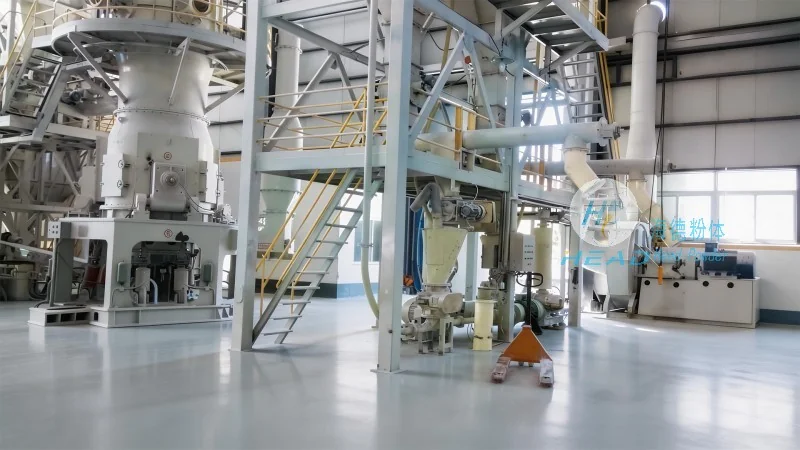
Working Principle of Foundry Sand Powder Pneumatic Conveying Systems
The fundamental working principle of a foundry sand powder pneumatic conveying system involves the use of air to transport dry powders, such as foundry sand, through a network of pipes. The system typically operates under either suction (or vacuum) or pressure, depending on the specific application and material characteristics. The core components of a typical system include a material feeding device, a conveying pipeline, a separation unit, and a receiving container. The feeding device, often a hopper or a rotary valve, introduces the foundry sand into the system, where it is then mixed with air to form a slurry. This mixture is then propelled through the pipeline by either a vacuum pump (in suction systems) or a positive displacement blower (in pressure systems). The separation unit, such as a cyclone or a bag filter, separates the sand particles from the air stream, allowing the sand to be collected in the receiving container while the air is either vented to the atmosphere or recirculated back into the system for energy efficiency.
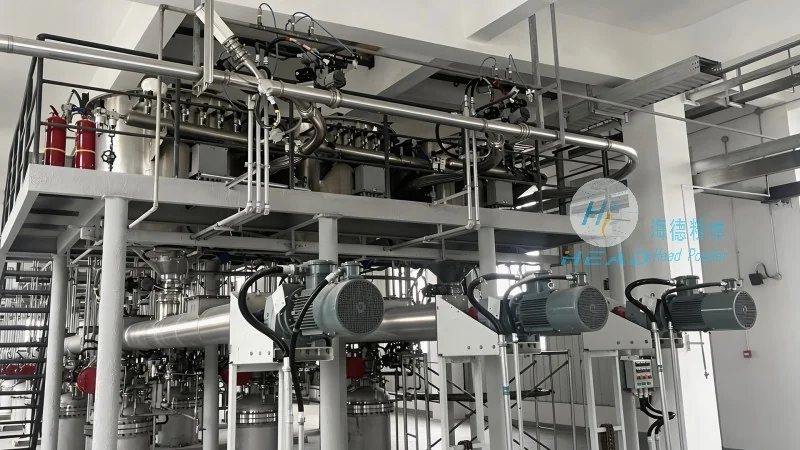
Key Features and Advantages of Foundry Sand Powder Pneumatic Conveying Lines
Foundry sand powder pneumatic conveying lines offer several distinct advantages that make them ideal for industrial applications. Firstly, they provide high efficiency in material transport, capable of moving large volumes of sand over considerable distances with minimal downtime. The system’s flexibility allows for easy integration into existing production lines, adapting to various operational requirements without significant modifications. Additionally, pneumatic conveying systems are highly effective in maintaining material quality, as they minimize exposure to moisture and contaminants, which is critical for foundry sand used in casting processes. Another notable feature is their environmental benefits; by containing dust and preventing airborne emissions, these systems contribute to a cleaner working environment and compliance with environmental regulations. The compact design of the equipment also reduces floor space requirements, making it suitable for facilities with limited room for large machinery. Furthermore, the system’s ability to handle abrasive materials like foundry sand without causing wear and tear on components enhances its longevity and reduces maintenance costs over time.
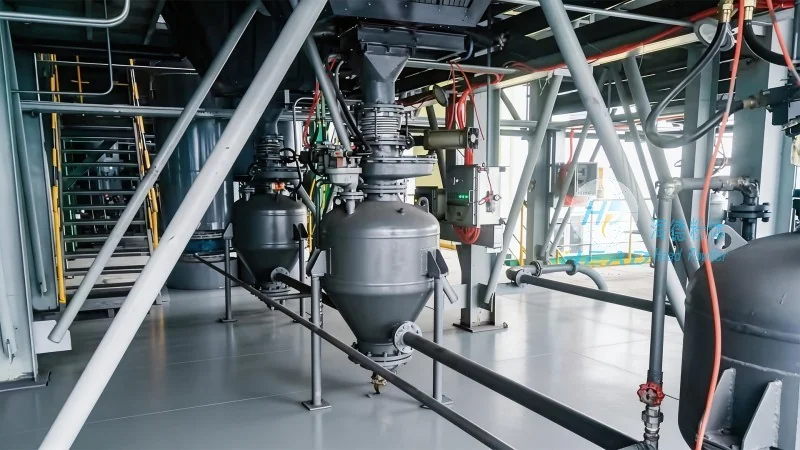
Technical Specifications and Customization Options
Shandong HeadPowder Engineering Co., Ltd. offers a range of pneumatic conveying solutions tailored to meet the specific needs of foundry operations. The company’s systems are designed with robust materials, such as stainless steel or high-grade alloys, to withstand the abrasive nature of foundry sand. Customization options include adjustable conveying rates, variable pressure settings, and modular components that can be easily replaced or upgraded. The company’s engineering team works closely with clients to assess their production requirements, ensuring that the selected system maximizes efficiency while minimizing operational costs. For instance, clients can choose between suction and pressure systems based on factors like the distance to be covered and the required material flow rate. The separation units are also customizable, with options for different filtration efficiencies and capacity, allowing for optimal sand recovery and air purification. These technical specifications and customization capabilities ensure that the foundry sand powder pneumatic conveying lines from Shandong HeadPowder Engineering Co., Ltd. are not only effective but also adaptable to diverse industrial environments.
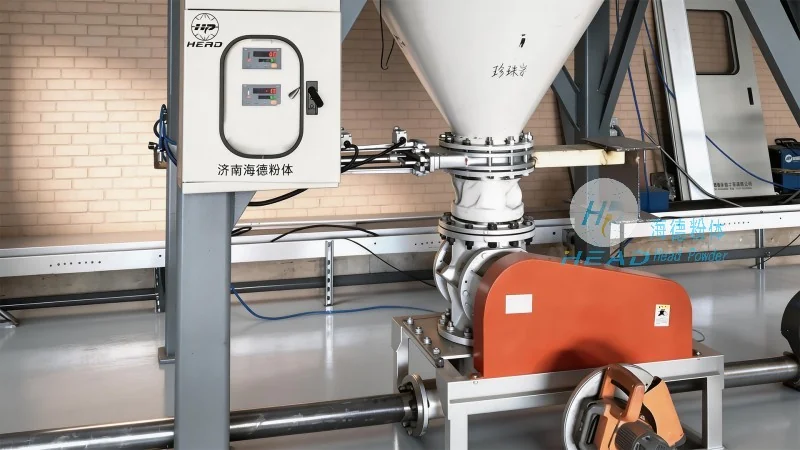
Applications and Industry Impact
The applications of foundry sand powder pneumatic conveying lines span across various stages of the foundry production process. In the molding stage, these systems efficiently transport sand from storage silos to molding machines, ensuring a consistent supply of material. During the reclamation process, the systems help in moving used sand from the molding area to the reclamation equipment, facilitating the recycling of sand and reducing waste. Additionally, in the finishing and cleaning stages, the pneumatic conveying lines assist in transporting sand for quality control and inspection, ensuring that only high-quality sand is used in the casting process. The impact of these systems on the foundry industry is significant, as they enhance productivity by streamlining material handling, reduce labor costs by automating the transport process, and improve overall operational efficiency. By integrating these systems, foundry manufacturers can achieve better control over their production processes, leading to higher quality castings and increased profitability.




