

Working Principle and Features of Biologic Enzyme Pneumatic Conveying System Equipment
Shandong HeadPowder Engineering Co., Ltd., a leading manufacturer based in China, specializes in the design and production of advanced biologic enzyme pneumatic conveying systems. These systems are engineered to efficiently transport sensitive biologic enzymes, ensuring minimal degradation and maintaining product integrity throughout the process. The company's commitment to precision engineering and quality control has positioned it as a trusted partner in the biotech and pharmaceutical industries.
Introduction to Biologic Enzyme Pneumatic Conveying Systems
Biologic enzyme pneumatic conveying systems are sophisticated equipment used to transport powdered or granular biologic enzymes using a combination of air pressure and vacuum. These systems are particularly valuable in applications where maintaining the stability and activity of enzymes is critical, such as in pharmaceutical manufacturing, food processing, and research laboratories. The technology offers a hygienic, dust-free, and energy-efficient method for material handling, addressing the unique challenges of handling delicate biologic substances.
Working Principle of the Biologic Enzyme Pneumatic Conveying System
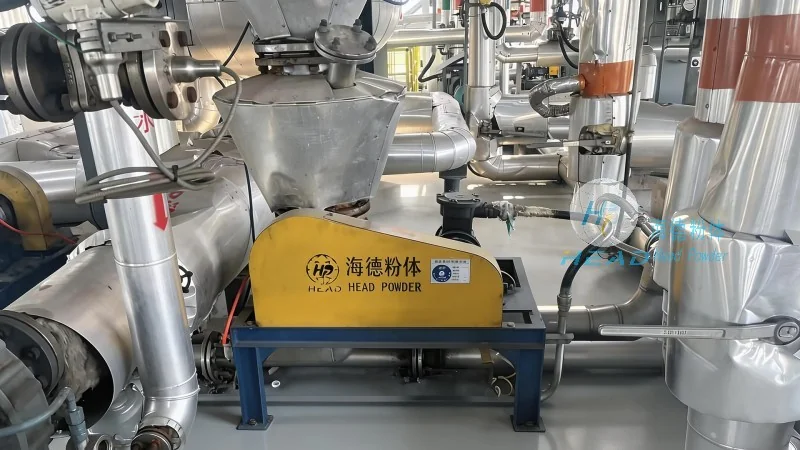
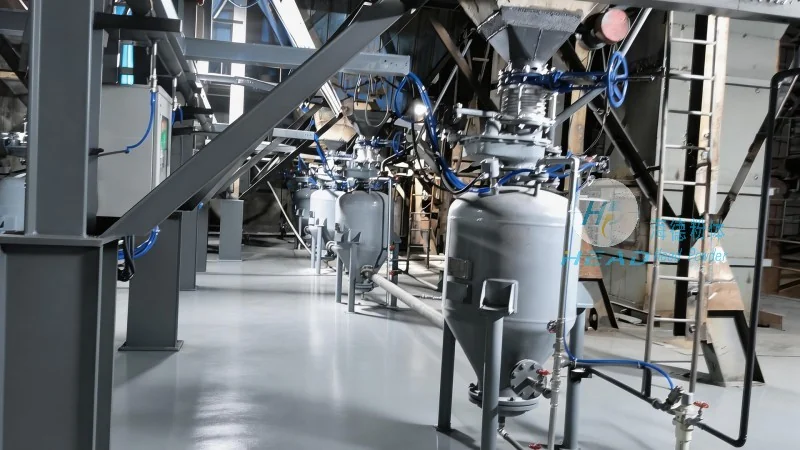
The core operation of the biologic enzyme pneumatic conveying system involves the use of a positive or negative pressure air stream to move the enzyme material through a network of pipes and ducts. The system typically consists of a feeding hopper, a rotary airlock valve, a conveying line, and a receiving hopper. When the system is activated, compressed air is introduced into the conveying line, creating a high-velocity air flow that entrains the enzyme particles. The air stream carries the material from the source to the destination, where it is then deposited into the receiving container. The rotary airlock valve at the inlet and outlet ensures that the material is discharged in a controlled manner, preventing backflow and maintaining a consistent flow rate. The system's design minimizes the exposure of the enzyme to air and moisture, which can degrade its activity and reduce shelf life.
Key Features and Advantages of the System
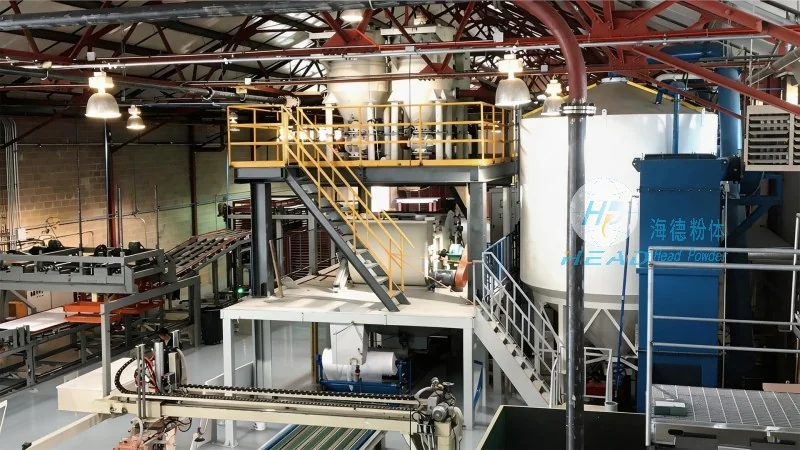
One of the primary advantages of the biologic enzyme pneumatic conveying system is its ability to maintain the integrity of the enzyme product. The system operates under controlled conditions, with low air velocities and minimal turbulence, reducing the risk of particle attrition and degradation. This is crucial for enzymes used in pharmaceuticals and biotechnology, where even minor changes in structure can affect their efficacy. Additionally, the system is designed for easy cleaning and maintenance, with CIP (Clean-In-Place) capabilities that allow for thorough sanitation without disassembling the equipment. This ensures compliance with stringent regulatory standards, such as those set by the FDA and GMP (Good Manufacturing Practice) guidelines. The system also offers flexibility in terms of material handling, supporting a wide range of enzyme types and particle sizes, from fine powders to larger granules. Its energy efficiency is another notable feature, as it uses less power compared to traditional mechanical conveying methods, reducing operational costs and environmental impact.
Applications and Benefits in Enzyme Handling
The biologic enzyme pneumatic conveying system is widely used in various industries for the transportation of enzymes. In pharmaceutical manufacturing, it is employed to move enzymes used in drug production, ensuring that the final product meets the required purity and activity levels. In the food industry, it facilitates the handling of enzymes used in processing, such as those involved in cheese production or bread making. The system's hygienic design and ability to maintain product quality make it ideal for applications where contamination control is paramount. Furthermore, the system's compact design allows for integration into existing production lines, minimizing space requirements and installation costs. The consistent and reliable performance of the system ensures that enzyme batches are handled uniformly, reducing variability in downstream processes and improving overall production efficiency.
Conclusion and Company Expertise
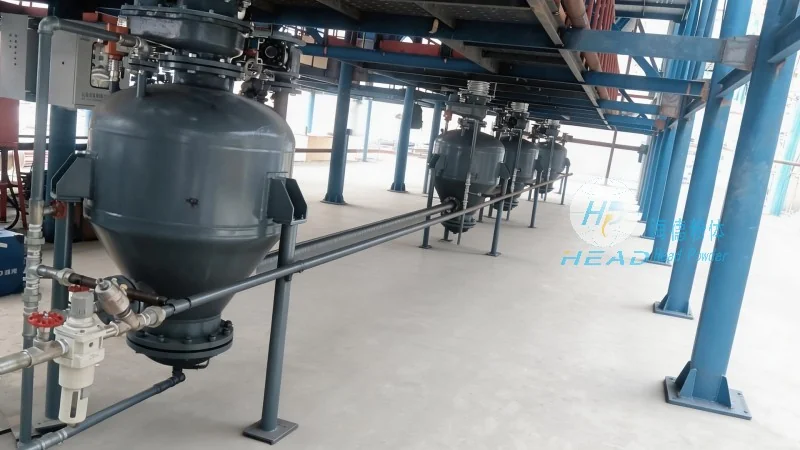
Shandong HeadPowder Engineering Co., Ltd. has established itself as a leading provider of biologic enzyme pneumatic conveying systems, leveraging advanced engineering and manufacturing capabilities to deliver high-quality solutions. The company's systems are designed to meet the specific needs of the biotech and pharmaceutical industries, offering reliable, efficient, and hygienic material handling solutions. With a focus on innovation and customer satisfaction, HeadPowder continues to advance the technology of enzyme transportation, supporting the growth and success of its clients in the global market.