

Working Principle and Features of Heavy Calcium Powder Pneumatic Conveying System Equipment
Shandong HeadPowder Engineering Co., Ltd., a leading manufacturer based in China, specializes in the design, production, and supply of advanced pneumatic conveying systems tailored for heavy calcium powder applications. This article delves into the working principle and key features of their heavy calcium powder pneumatic conveying equipment, providing insights into how these systems enhance material handling efficiency and operational reliability.
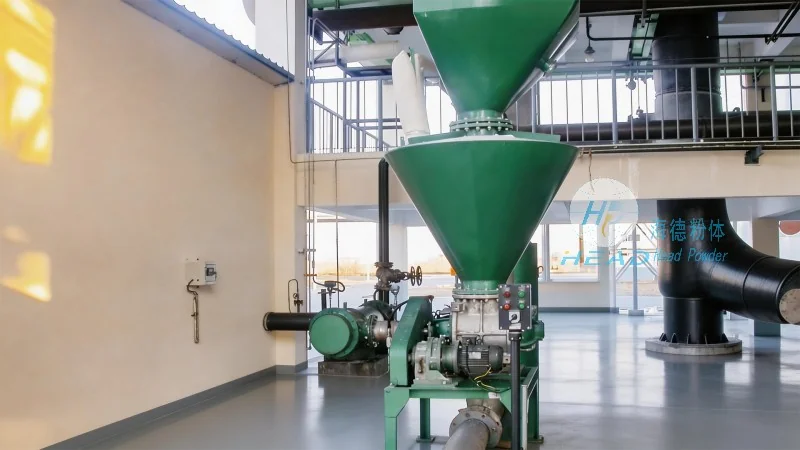
Company Overview and Expertise
HeadPowder, as the company's official abbreviation, represents Shandong HeadPowder Engineering Co., Ltd., a reputable enterprise headquartered in Shandong, China. With years of experience in the powder handling industry, the company has developed a deep understanding of the unique challenges associated with transporting heavy calcium powder, a critical raw material widely used in industries such as paper, plastics, and coatings. By leveraging cutting-edge technology and rigorous engineering standards, HeadPowder has become a trusted partner for businesses seeking reliable and efficient material transport solutions.
Understanding Pneumatic Conveying Systems
A pneumatic conveying system is a method of transporting bulk materials, like heavy calcium powder, through a pipeline using compressed air or other gas. The system typically consists of a hopper for material storage, a feeder to control the flow rate, a conveying line, and a receiver to collect the material at the destination. The working principle revolves around creating a pressure differential within the pipeline, which propels the powder particles forward. This process eliminates the need for mechanical components like belts or buckets, reducing maintenance requirements and improving overall system reliability.
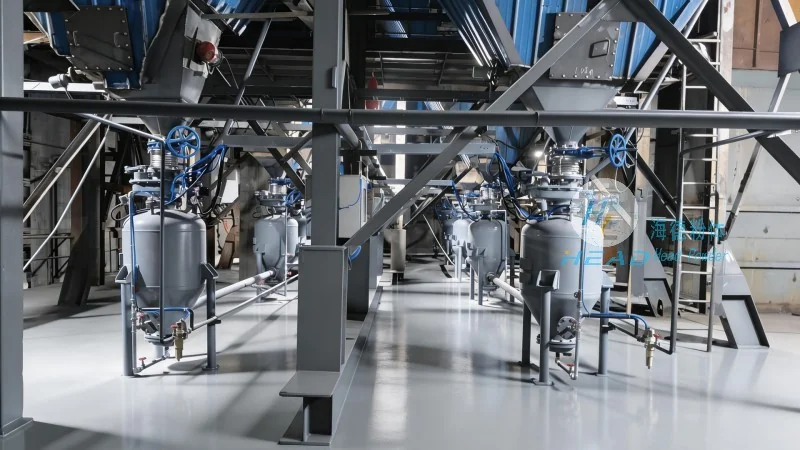
Working Principle of Heavy Calcium Powder Pneumatic Conveying Equipment
The working principle of the heavy calcium powder pneumatic conveying system developed by HeadPowder involves several key steps. First, the heavy calcium powder is fed from the storage hopper into the conveying line via a controlled feeder. The feeder ensures a consistent flow rate, preventing blockages and maintaining system efficiency. Next, compressed air is introduced into the pipeline, creating a pressure difference between the hopper and the receiver. This pressure differential propels the powder particles through the pipeline, where they are carried by the air stream. The system may use different conveying modes, such as dilute phase or dense phase, depending on the material characteristics and distance requirements. Dilute phase conveying is suitable for short distances and low material loads, while dense phase conveying is ideal for longer distances and higher material loads, ensuring stable and efficient transport.
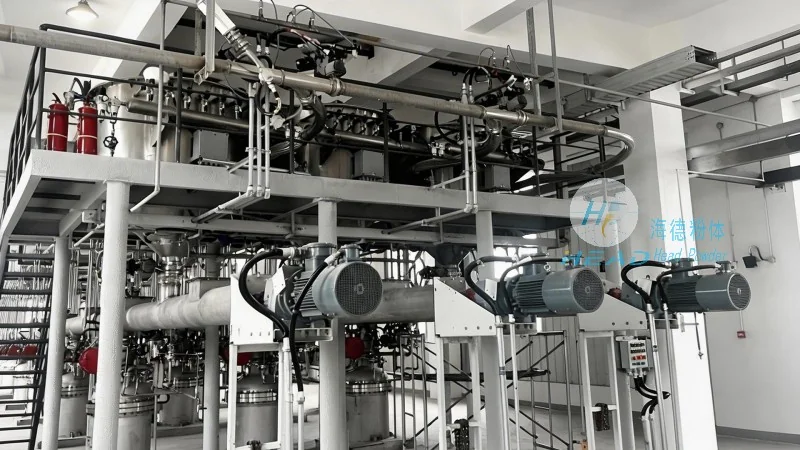
Key Features of Heavy Calcium Powder Pneumatic Conveying Systems
HeadPowder's heavy calcium powder pneumatic conveying systems are designed with several distinctive features that set them apart in the industry. Firstly, the systems are equipped with advanced control systems that allow for precise regulation of air pressure, flow rate, and material feed. This ensures optimal performance and minimizes energy consumption. Secondly, the equipment incorporates robust materials of construction, such as stainless steel and corrosion-resistant alloys, to withstand the abrasive nature of heavy calcium powder and prevent material buildup or corrosion. Thirdly, the design incorporates features to reduce dust generation and improve environmental compliance, including dust collection systems and sealed components. Additionally, the systems are engineered for easy maintenance and cleaning, with accessible components and simple operation procedures. These features collectively contribute to increased operational efficiency, reduced downtime, and lower maintenance costs for users.
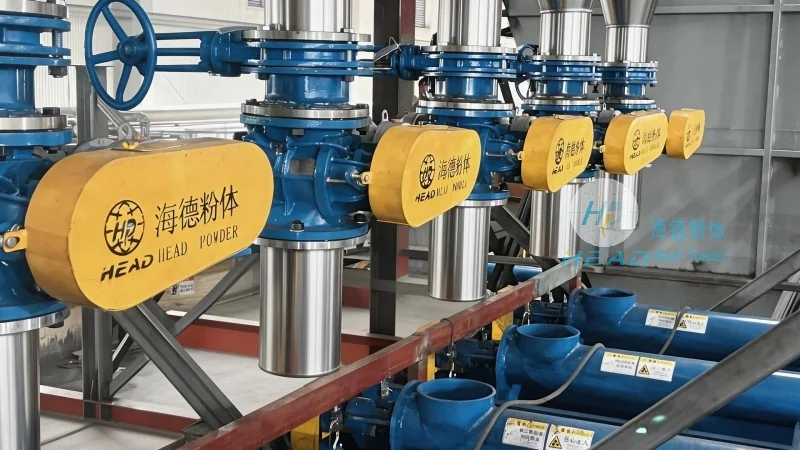
Benefits and Applications
The implementation of heavy calcium powder pneumatic conveying systems offers numerous benefits for industrial operations. By eliminating the need for traditional mechanical conveyors, businesses can reduce labor costs and maintenance expenses associated with moving heavy materials. The systems also provide a more hygienic and controlled environment, which is particularly important in industries where material purity is critical, such as food and pharmaceuticals. Furthermore, the ability to transport materials over longer distances without intermediate handling points enhances process integration and improves overall production efficiency. HeadPowder's systems are widely used in the paper industry for transporting calcium carbonate, in the plastics industry for feeding additives, and in the coatings industry for delivering pigments, among other applications.
Conclusion
Shandong HeadPowder Engineering Co., Ltd. provides advanced heavy calcium powder pneumatic conveying systems that combine efficient operation with robust design. By understanding the working principle and leveraging key features, businesses can achieve improved material handling performance, reduced operational costs, and enhanced process reliability. With a strong presence in China and a commitment to quality, HeadPowder continues to be a leading provider of pneumatic conveying solutions for the heavy calcium powder industry.