

Working Principle and Features of Polyethylene Powder Pneumatic Conveying Equipment
HeadPowder, a leading manufacturer based in Shandong, China, specializes in the design and production of advanced pneumatic conveying systems tailored for polyethylene powder handling. This article delves into the working principle and key features of our polyethylene powder pneumatic conveying equipment, providing a comprehensive overview for industry professionals seeking efficient material transport solutions.
Working Principle of Polyethylene Powder Pneumatic Conveying Equipment
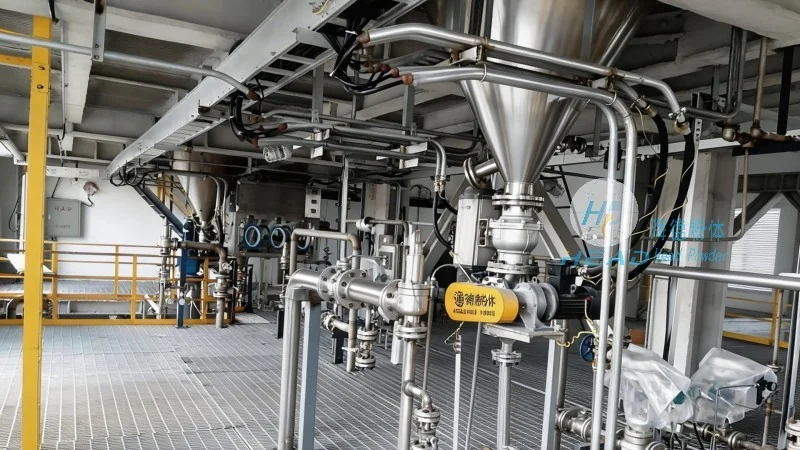
The core mechanism of polyethylene powder pneumatic conveying systems involves the use of compressed air to transport dry powders like polyethylene through a pipeline network. The process typically operates on the principle of pressure or vacuum, where air is introduced to create a flow that moves the powder particles. In a pressure system, air is pumped into a hopper or storage tank, creating positive pressure that forces the powder into the conveying line. The powder is then carried along the pipeline by the air stream, with the air velocity maintained at a level sufficient to prevent particle settling. On the other hand, vacuum systems draw air and powder from a source, creating a negative pressure that pulls the material through the line. Both methods ensure consistent and reliable transport of polyethylene powder, minimizing product degradation and loss during handling.
Key Features of Polyethylene Powder Pneumatic Conveying Equipment
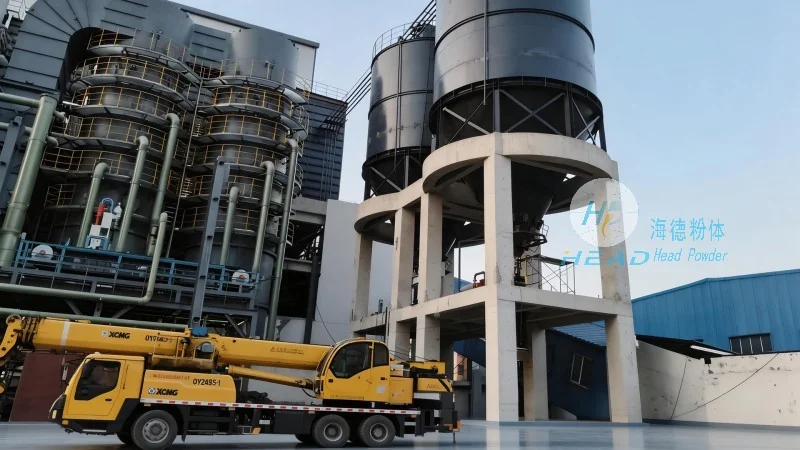
Our polyethylene powder pneumatic conveying equipment is engineered with several distinct features that enhance performance and operational efficiency. Firstly, the system incorporates high-efficiency air filtration and separation components, which are crucial for maintaining the purity of polyethylene powder and preventing contamination from dust or moisture. This is particularly important in applications where product quality is paramount, such as in the plastics manufacturing industry. Secondly, the equipment features adjustable air flow and pressure controls, allowing operators to optimize the conveying process based on the specific characteristics of the polyethylene powder, including particle size, density, and moisture content. This flexibility ensures that the system can handle a wide range of polyethylene grades and processing requirements. Thirdly, the design incorporates robust material handling components, such as wear-resistant liners and high-capacity pumps, which are built to withstand the abrasive nature of polyethylene powder and ensure long-term durability. Additionally, the system is equipped with advanced monitoring and control systems, enabling real-time tracking of conveying parameters and facilitating quick adjustments to maintain optimal performance. These features collectively contribute to a reliable, low-maintenance solution for polyethylene powder transport, reducing downtime and operational costs for our clients.
Advantages in Polyethylene Powder Handling
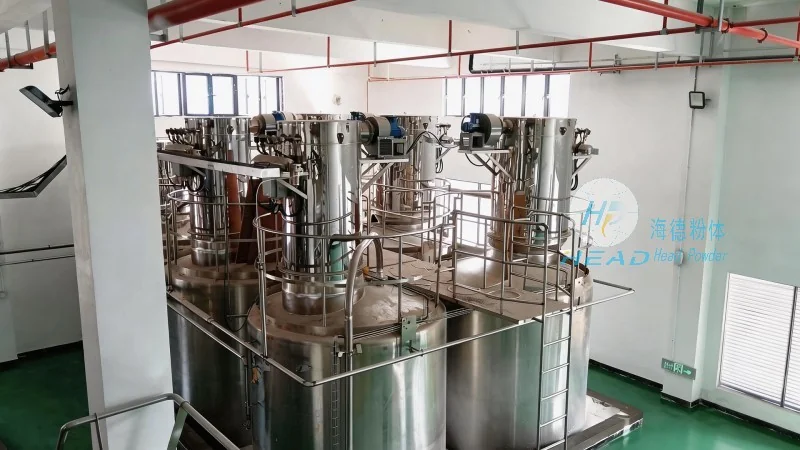
The implementation of polyethylene powder pneumatic conveying equipment offers several significant advantages over traditional bulk handling methods. One of the primary benefits is the ability to achieve dust-free and enclosed transport, which enhances workplace safety and compliance with environmental regulations. Unlike manual or bucket elevator systems, pneumatic conveying eliminates the need for manual handling of powders, reducing the risk of respiratory issues and product contamination. Furthermore, the system provides consistent and uniform material flow, which is essential for maintaining stable processing conditions in downstream equipment, such as extruders or mixers. This consistency improves product quality and reduces waste by minimizing variations in material feed. Another advantage is the space-saving design of the equipment, which is particularly beneficial for facilities with limited floor space. The compact nature of pneumatic conveying systems allows for flexible installation in various production layouts, enabling efficient use of available area. Finally, the energy efficiency of the system, achieved through optimized air flow and pressure management, contributes to lower operational costs over time. By reducing energy consumption and maintenance requirements, our polyethylene powder pneumatic conveying equipment provides a cost-effective solution for long-term material handling needs.