

Working Principle and Characteristics of Carbon Powder Pneumatic Conveying
Carbon powder pneumatic conveying is a critical technology in material handling, particularly for transporting fine powders like carbon powder. This method leverages the power of compressed air or vacuum to move particles through a pipeline system. The process begins with the carbon powder being introduced into a hopper or feeder, where it is then drawn into the conveying line by the air flow. The air, typically under pressure, creates a stream that suspends the carbon powder particles, allowing them to be transported over long distances without the need for mechanical components like belts or buckets.
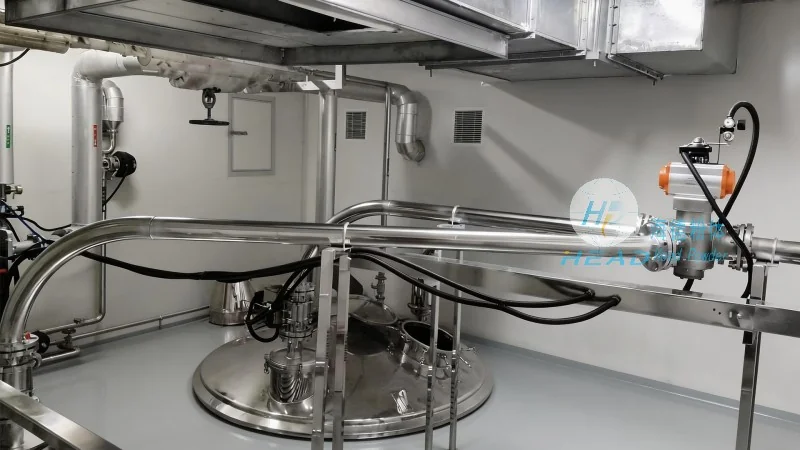
The working principle of carbon powder pneumatic conveying involves several key steps. First, the carbon powder is fed into the system, often via a rotary valve or screw feeder, which controls the flow rate. Next, the air is introduced into the conveying line, either by a blower or vacuum pump, generating the necessary pressure or suction to move the powder. The powder particles are then suspended in the air stream, traveling through the pipeline to the destination point. At the receiving end, a separator or cyclone separates the carbon powder from the air, allowing the powder to be collected in a bin or storage container. The air, now free of powder, is either filtered and recycled or released into the environment, depending on the system design.
Key Characteristics of Carbon Powder Pneumatic Conveying
Carbon powder pneumatic conveying systems exhibit several distinct characteristics that make them suitable for various industrial applications. One of the primary advantages is their efficiency in transporting fine powders over considerable distances. Unlike traditional mechanical conveying methods, which may suffer from blockages or wear due to abrasive particles, pneumatic systems can handle carbon powder with minimal maintenance. The ability to transport materials in a closed system also enhances safety and reduces dust emissions, making it an environmentally friendly option for handling carbon powders.
Another notable characteristic is the flexibility of pneumatic conveying systems. They can be designed for both pressure and vacuum operations, allowing for diverse material handling needs. For instance, pressure systems are ideal for short to medium distances and high-volume transport, while vacuum systems are better suited for longer distances or when the material needs to be drawn from a source. The modular design of these systems enables easy integration with existing production lines, and they can be scaled up or down to meet changing production demands.
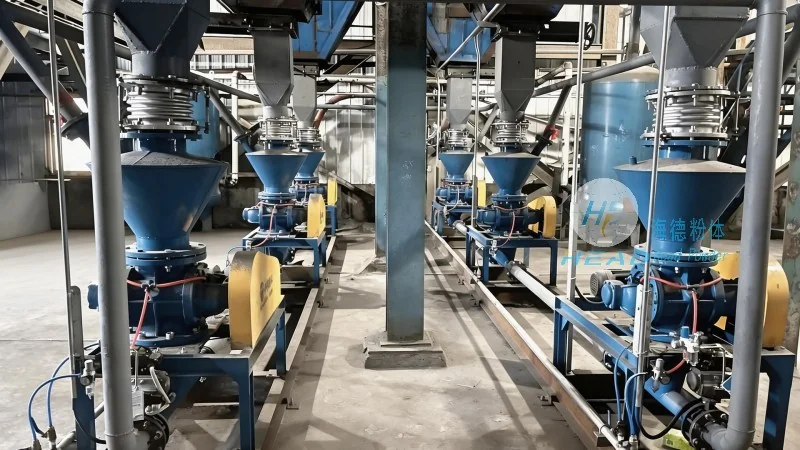
Additionally, carbon powder pneumatic conveying offers high accuracy in material transfer. The controlled air flow and particle suspension ensure that the powder is transported uniformly, minimizing segregation or loss. This precision is crucial in applications where the carbon powder's quality and consistency are paramount, such as in the production of carbon-based products or in chemical processes where particle size and distribution are critical. The system's ability to maintain a consistent flow rate also contributes to improved process control and reduced downtime.
Applications and Benefits in Industrial Settings
Carbon powder pneumatic conveying is widely used in industries that rely on carbon powder as a raw material or intermediate product. These include the production of carbon black, carbon fibers, and various carbon-based chemicals. The technology is also applied in the manufacturing of batteries, where carbon powder is used as an electrode material. In these applications, the efficiency and reliability of pneumatic conveying systems directly impact production output and product quality.
The benefits of using carbon powder pneumatic conveying extend beyond mere material transport. By reducing the need for manual handling and mechanical equipment, these systems lower labor costs and improve workplace safety. The closed system design minimizes dust exposure, which is particularly important in handling carbon powders that may be hazardous if inhaled. Furthermore, the energy efficiency of modern pneumatic conveying systems, especially those using high-efficiency blowers and optimized pipeline designs, helps reduce operational costs and environmental impact.
System Components and Design Considerations
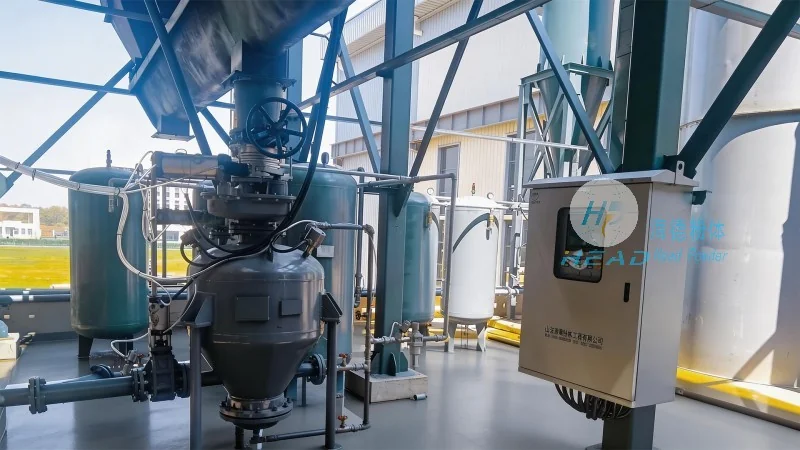
The effectiveness of a carbon powder pneumatic conveying system depends on its components and the design choices made during installation. Key components include the feeder, which controls the powder flow; the blower or vacuum pump, which provides the air pressure or suction; the conveying pipeline, which transports the powder; and the separator or cyclone, which separates the powder from the air at the receiving end. The feeder is typically a rotary valve or screw feeder, which can handle fine powders without causing blockages. The blower or pump must be selected based on the required air volume and pressure, ensuring that it can maintain the necessary flow rate to transport the carbon powder efficiently.
Design considerations for carbon powder pneumatic conveying systems focus on optimizing performance and minimizing costs. The pipeline diameter and length are critical factors, as they directly affect the air velocity and pressure drop. A larger diameter reduces friction losses but increases material costs, while a shorter pipeline may require higher air pressure. The system's layout, including the placement of feeders, separators, and storage bins, must be carefully planned to ensure smooth material flow and minimize dead zones where powder can accumulate. Additionally, the choice of materials for the pipeline and components is important, as carbon powder can be abrasive and may cause wear over time. Stainless steel or special coatings are often used to extend the system's lifespan.
Maintenance and Operational Tips for Optimal Performance
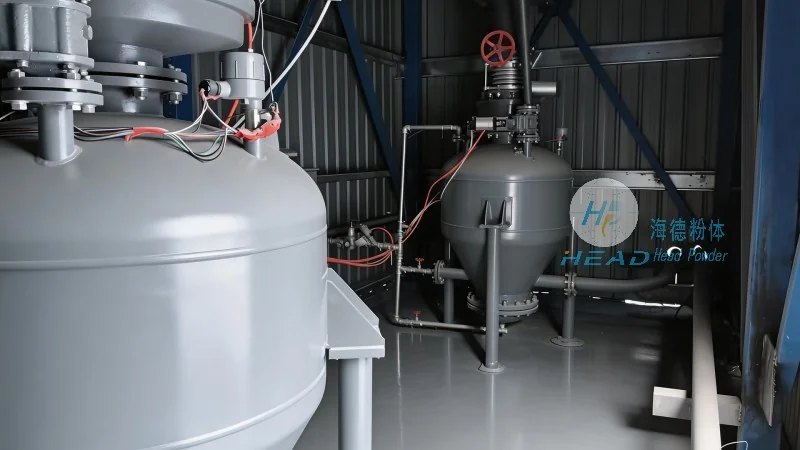
Proper maintenance is essential to ensure the long-term reliability and efficiency of carbon powder pneumatic conveying systems. Regular inspection of components such as the feeder, blower, and separator is necessary to detect and address issues before they cause system failures. The air filter and separator should be cleaned or replaced regularly to prevent clogging and maintain air quality. The pipeline should be checked for leaks or blockages, as these can reduce the system's performance and increase energy consumption. Additionally, monitoring the air pressure and flow rate can help identify potential problems early on, allowing for timely adjustments or repairs.
Operational tips for carbon powder pneumatic conveying systems include starting the system with the feeder off to avoid overloading the blower or pump. Gradually increasing the powder feed rate as the system reaches operating temperature can prevent sudden pressure spikes or equipment damage. It is also important to maintain a consistent feed rate to avoid fluctuations in the air flow and particle suspension. Finally, training operators on the proper use and maintenance of the system can help prevent accidents and ensure optimal performance.
Conclusion: The Role of Carbon Powder Pneumatic Conveying in Modern Manufacturing
Carbon powder pneumatic conveying is a versatile and efficient technology that plays a vital role in the handling of fine carbon powders in various industrial applications. By understanding its working principle and key characteristics, manufacturers can select and implement the most suitable system for their needs. The benefits of this technology, including high efficiency, safety, and flexibility, make it an attractive option for industries looking to improve their material handling processes. As technology advances, further optimizations in system design and components will likely enhance the performance and reliability of carbon powder pneumatic conveying systems, contributing to the continued growth and innovation in modern manufacturing.