

Working Principle and Characteristics of Ship Loading and Unloading Pneumatic Conveying
HeadPowder, a leading engineering company based in Shandong, China, specializes in the design and implementation of advanced pneumatic conveying systems for ship loading and unloading operations. This article provides a detailed exploration of the working principles and key characteristics of such systems, highlighting their efficiency and reliability in modern bulk material handling.
Introduction to Ship Loading and Unloading Pneumatic Conveying
Ship loading and unloading pneumatic conveying systems are critical components in the logistics and transportation of bulk materials, such as grains, minerals, and other dry or semi-dry substances. These systems utilize air pressure to transport materials from ships to storage facilities or vice versa, offering a flexible and efficient alternative to traditional methods like belt conveyors or trucks. The technology has evolved significantly over the years, with modern systems incorporating advanced control mechanisms and material handling capabilities to meet the demands of high-volume, high-speed operations in ports and terminals.
Working Principle of Pneumatic Conveying Systems
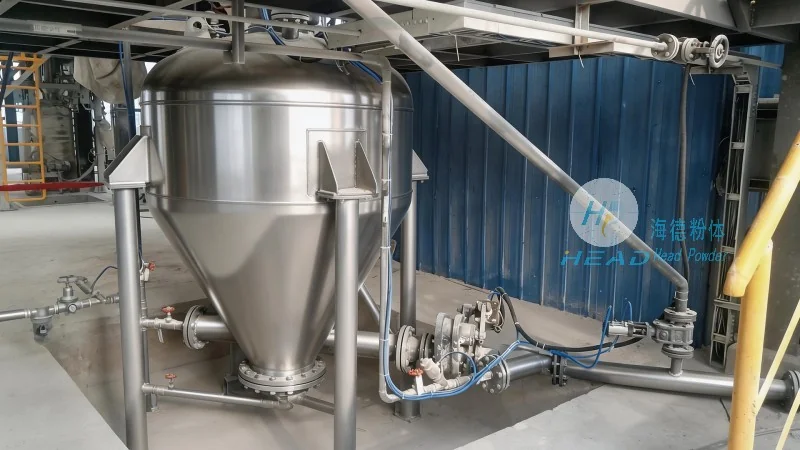
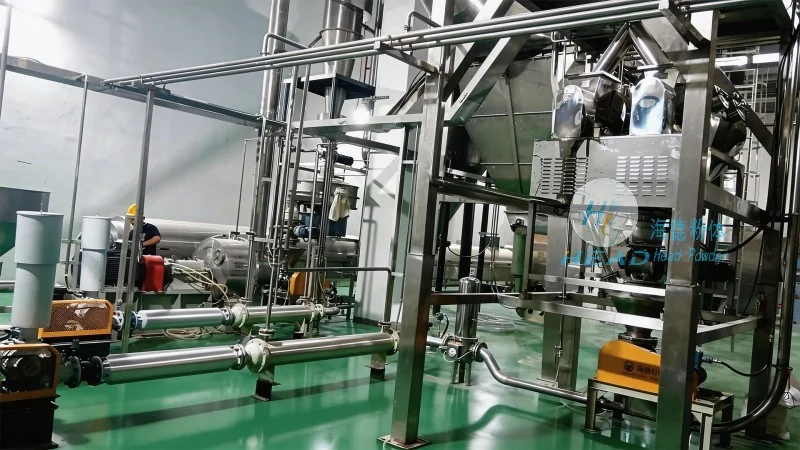
The core working principle of ship loading and unloading pneumatic conveying systems revolves around the use of compressed air to create a flow of material through a pipeline. The system typically consists of several key components, including a material feed hopper, a blower or air compressor, a conveying pipeline, and a discharge hopper or silo. The process begins with the material being fed into the hopper, where it is then drawn into the pipeline by the force of the compressed air. As the air and material mixture travels through the pipeline, the air velocity is maintained at a level sufficient to keep the material suspended and transported to the destination. At the discharge point, the air is separated from the material, often through a cyclone separator or a filter, allowing the material to be collected in the receiving hopper while the air is either recirculated or vented to the atmosphere.
Key Characteristics of Pneumatic Conveying Systems
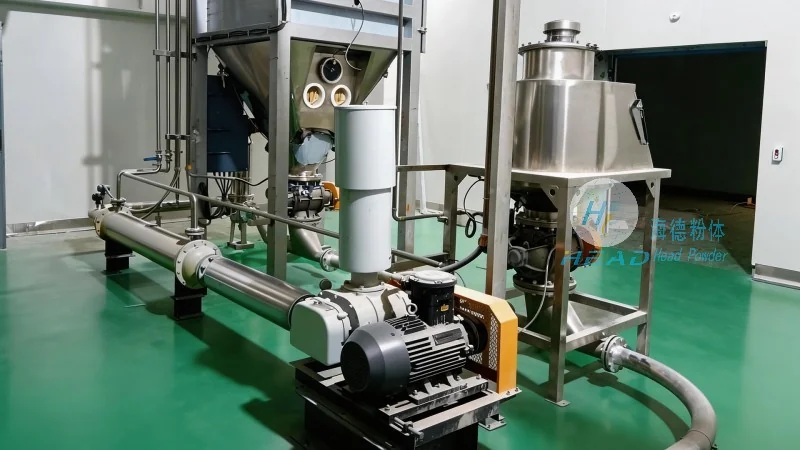
Several distinct characteristics define the effectiveness and suitability of pneumatic conveying systems for ship loading and unloading applications. Firstly, these systems offer high efficiency in terms of material handling speed and throughput, capable of transporting large volumes of material over considerable distances with minimal downtime. The flexibility of the system allows for easy reconfiguration of the pipeline layout to accommodate changes in operational requirements or port infrastructure. Additionally, pneumatic conveying systems are known for their ability to handle a wide range of materials, from fine powders to larger granules, without causing degradation or contamination. The enclosed nature of the system also helps in maintaining material quality and reducing dust emissions, which is crucial for environmental compliance and worker safety in port environments. Another notable characteristic is the reduced need for manual labor, as the automated operation of the system minimizes the risk of human error and improves overall operational safety. Furthermore, the energy efficiency of modern pneumatic conveying systems, particularly those utilizing high-efficiency blowers and optimized pipeline designs, contributes to lower operational costs and a smaller environmental footprint.
Advantages and Considerations in Practical Applications
When considering the implementation of ship loading and unloading pneumatic conveying systems, several advantages and practical considerations come into play. The primary advantage is the significant reduction in handling time and labor costs compared to traditional methods, which can lead to increased productivity and lower operational expenses for port operators. The ability to handle various material types without the need for multiple handling equipment also simplifies the logistics and reduces the complexity of port operations. However, it is important to note that the initial investment for such systems can be higher than for conventional equipment, and the maintenance requirements, particularly for the air compressors and pipeline components, need to be carefully managed to ensure long-term reliability. The system's performance is also dependent on the proper design and sizing of the components, including the blower capacity, pipeline diameter, and material feed rate, to avoid issues like material blockages or excessive energy consumption. Proper maintenance, including regular cleaning of filters and inspection of pipeline integrity, is essential to maintain the system's efficiency and prevent downtime.
Conclusion
In conclusion, ship loading and unloading pneumatic conveying systems represent a sophisticated and efficient solution for bulk material handling in port operations. The working principle, which leverages compressed air to transport materials through enclosed pipelines, combined with key characteristics such as high efficiency, flexibility, and material versatility, makes these systems a preferred choice for modern ports. As a leading provider in this field, Shandong HeadPowder Engineering Co., Ltd. continues to innovate and optimize these systems to meet the evolving needs of the industry, ensuring reliable and cost-effective material handling solutions for its clients.