When it comes to transporting milling products like grains and flours, selecting the right conveying method is crucial for efficiency, product quality, and operational safety. Various options are available, each with its own set of advantages and applications. This article explores common conveying methods used in the milling industry, with a focus on the benefits and applications of pneumatic conveying systems.
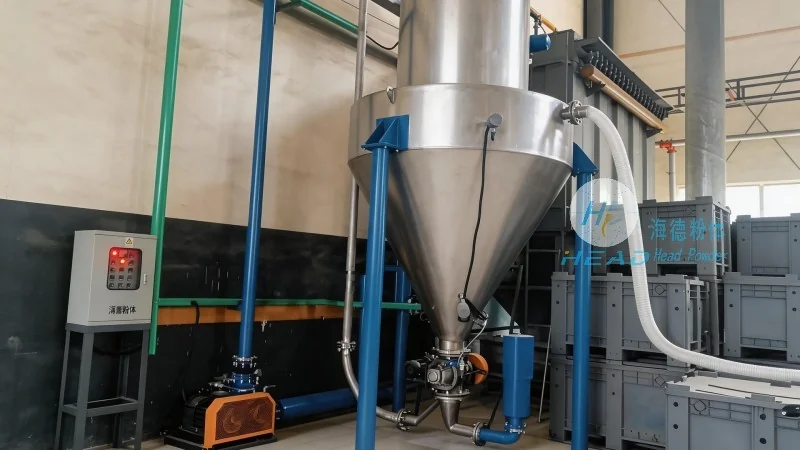
Overview of Common Conveying Methods for Milling Products
In the milling industry, the primary goal of material handling is to move raw materials and finished products from one stage of processing to another with minimal loss, contamination, and energy consumption. Traditional conveying methods include gravity flow, mechanical systems like belt conveyors and screw conveyors, and more advanced pneumatic systems. Each method has specific use cases, and the choice often depends on factors such as material characteristics, distance, volume, and environmental requirements.
Gravity Conveying Systems
Gravity conveying relies on the natural force of gravity to move materials from a higher elevation to a lower one. This method is simple, low-cost, and ideal for short distances where the material can flow freely without excessive friction or blockage. Common applications include moving bulk grains from storage silos to processing equipment or transporting finished flour to packaging areas. However, gravity systems are limited by the need for a sloped path and are not suitable for vertical or long horizontal distances, as they require a continuous incline that may not be feasible in all plant layouts.
Mechanical Conveying Systems
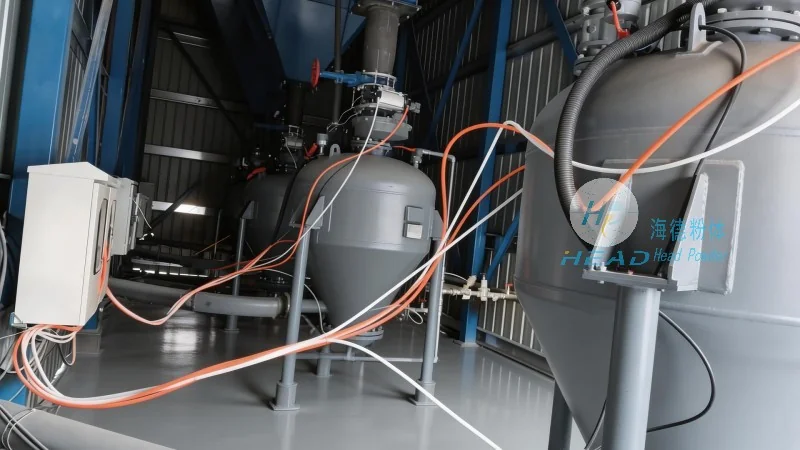
Mechanical conveyors, such as belt conveyors and screw conveyors, are widely used in the milling industry due to their reliability and ability to handle a wide range of materials. Belt conveyors use a continuous belt to transport materials horizontally or at a slight incline, making them suitable for moving large volumes of bulk materials over moderate distances. Screw conveyors, also known as augers, use a rotating screw to push materials forward, which is effective for handling powders and granules that may be sticky or prone to clogging. These systems are generally more robust and easier to maintain than pneumatic systems, but they may require more space and can generate more dust and noise.
Pneumatic Conveying Systems: The Preferred Solution for Modern Mills
Pneumatic conveying, or air-based transport, has become the preferred method for many modern milling operations due to its versatility, efficiency, and ability to handle delicate materials without damage. This technology uses compressed air to transport powders and granules through a pipeline system, eliminating the need for physical contact between the material and the conveyor. The primary types of pneumatic conveying systems include pressure and vacuum systems, each with distinct characteristics and applications.
Pressure Pneumatic Conveying
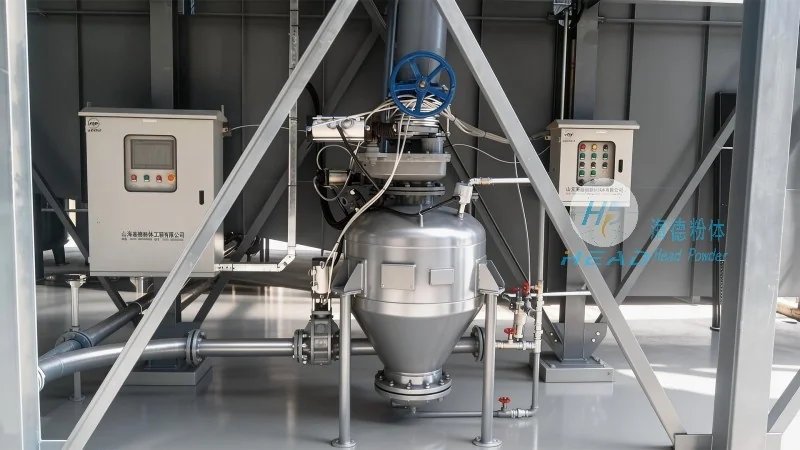
Pressure pneumatic conveying systems operate by blowing air into a sealed pipeline at a high pressure, typically ranging from 5 to 15 bar. The air flow creates a positive pressure that pushes the material through the pipeline, allowing for both horizontal and vertical transport. This method is ideal for long-distance and high-volume conveying, as it can handle large quantities of material with minimal pressure drop. Pressure systems are commonly used in large-scale milling plants for transporting raw grains from storage to the milling equipment or for moving finished products to packaging lines. They are also effective for handling materials that are sensitive to moisture or contamination, as the sealed pipeline prevents exposure to the environment.
Vacuum Pneumatic Conveying
Vacuum pneumatic conveying systems, on the other hand, use a vacuum to draw material into a pipeline. The system creates a negative pressure that pulls the material from a hopper or storage bin into the pipeline, where it is then transported to the destination. This method is particularly useful for short-distance and low-volume conveying, as well as for handling materials that are difficult to move by pressure systems, such as fine powders or materials with high moisture content. Vacuum systems are often preferred for applications that require gentle handling, as the lower air velocity reduces the risk of material degradation or dust generation.
Advantages of Pneumatic Conveying for Milling Products
Compared to traditional gravity and mechanical systems, pneumatic conveying offers several key advantages that make it the preferred choice for many milling operations. First, it provides a clean and hygienic transport method, as the material is contained within a sealed pipeline, reducing the risk of cross-contamination and product spoilage. This is especially important for food-grade products like flour and grains, where maintaining product quality and safety is paramount. Second, pneumatic systems are highly flexible and can be easily integrated into existing plant layouts, allowing for changes in production processes without major modifications. They can handle both horizontal and vertical transport, making them suitable for complex plant designs. Third, these systems are energy-efficient, as they use compressed air that can be recycled and reused, reducing operational costs over time. Additionally, pneumatic conveying reduces labor costs by automating the material handling process, minimizing the need for manual loading and unloading.
Applications in the Milling Industry
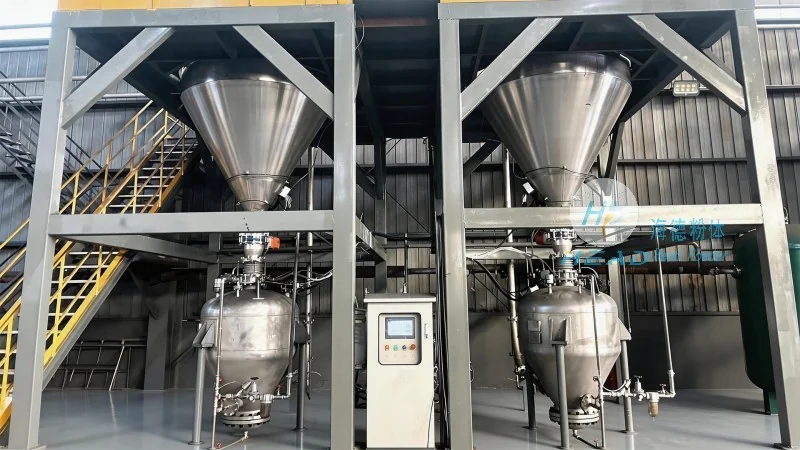
Pneumatic conveying systems are used in various stages of the milling process, from raw material handling to finished product distribution. In the raw material stage, pressure systems are commonly used to transport bulk grains from storage silos to the milling equipment, ensuring a continuous and efficient supply of raw materials. During the milling process, vacuum systems may be employed to move fine powders from grinding mills to storage bins or packaging lines, preventing dust accumulation and maintaining product quality. In the finished product stage, both pressure and vacuum systems can be used to transport flour and other milled products to packaging machines or distribution centers. The flexibility of pneumatic systems allows for seamless integration with packaging equipment, ensuring a smooth and efficient production line.
Conclusion
Choosing the right conveying method for milling products is essential for optimizing operational efficiency and maintaining product quality. While gravity and mechanical systems have their place in the industry, pneumatic conveying systems, particularly pressure and vacuum systems, offer significant advantages in terms of cleanliness, flexibility, and energy efficiency. For modern milling operations, investing in a pneumatic conveying system can lead to improved productivity, reduced costs, and enhanced product safety. Companies like Shandong HeadPowder Engineering Co., Ltd., with its expertise in powder handling technology, provide comprehensive solutions tailored to the specific needs of milling plants, ensuring that material handling processes are optimized for maximum performance and reliability.




