

Oat Flour Pneumatic Conveying Equipment: What It Is and Its Design Principles
For those in the food processing industry, particularly those dealing with oat flour and other fine powders, understanding the technology behind efficient material handling is crucial. This article delves into the world of oat flour pneumatic conveying equipment, exploring what it is and the fundamental design principles that make it an essential tool in modern processing facilities.
Oat Flour Pneumatic Conveying Equipment: An Overview
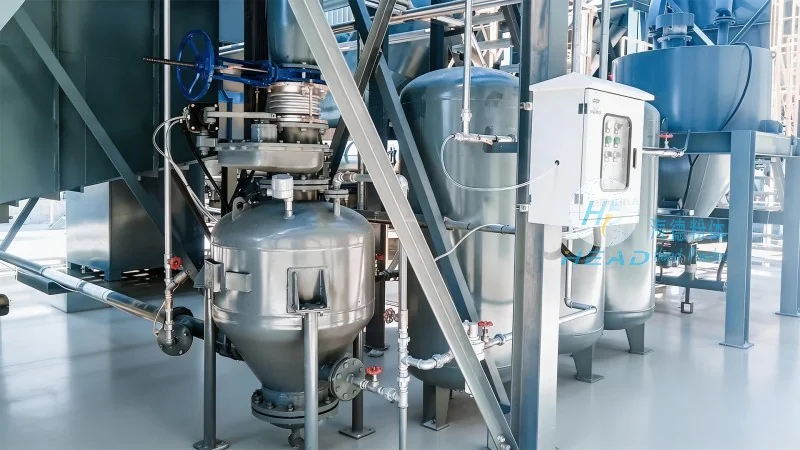
Oat flour pneumatic conveying equipment is a specialized system designed to transport oat flour and other fine particulate materials through a pipeline using air or other gas as the conveying medium. Unlike traditional mechanical conveyors, which rely on physical components like belts or screws to move materials, pneumatic systems utilize the force of compressed air to create a flow that carries the product from one location to another. This method is particularly advantageous for handling delicate or abrasive powders like oat flour, as it minimizes product degradation and reduces the risk of contamination.
Key Components of Oat Flour Pneumatic Conveying Systems
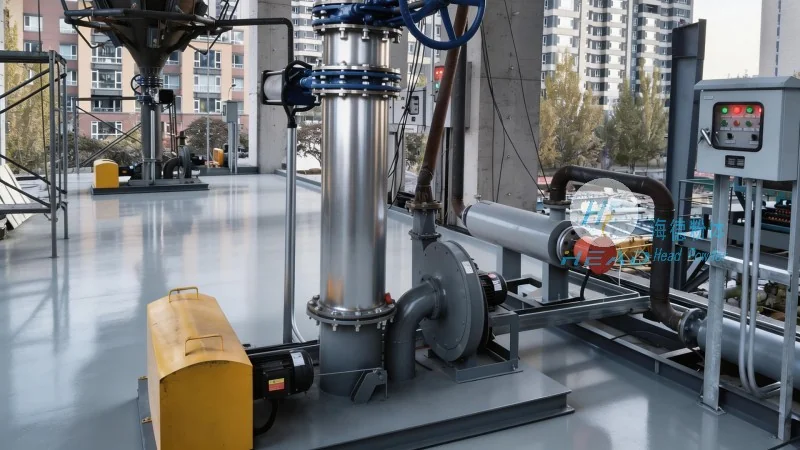
At the core of any pneumatic conveying system are several key components that work in tandem to ensure efficient operation. These include the air compressor, which generates the necessary pressure to move the material; the hopper or feed hopper, which stores and feeds the oat flour into the system; the conveying line, which transports the material; and the receiver or discharge hopper, which collects the material at the destination. Additionally, systems may incorporate components such as rotary valves, filters, and dust collectors to manage air flow, prevent product loss, and maintain air quality.
Design Principles for Efficient Oat Flour Pneumatic Conveying
The design of an oat flour pneumatic conveying system is governed by several critical principles aimed at optimizing performance, minimizing energy consumption, and ensuring product integrity. One of the primary design considerations is the selection of the appropriate conveying method, which can be categorized into pressure or vacuum systems. Pressure systems, where air is forced into the line, are typically used for short to medium distances and for materials that are free-flowing. Vacuum systems, which use suction to draw material into the line, are better suited for longer distances or when handling materials that are less free-flowing or have a tendency to settle.
Another crucial design principle is the calculation of the required air velocity and pressure. The air velocity must be sufficient to keep the oat flour particles suspended in the air stream without causing excessive wear on the system components. This is often determined by the particle size, density, and flowability of the oat flour. The pressure required is directly related to the distance the material needs to travel and the height it must be elevated. Proper sizing of the air compressor and conveying line diameter is essential to maintain the desired air velocity and pressure throughout the system.
Advantages of Using Oat Flour Pneumatic Conveying Equipment
Implementing pneumatic conveying equipment for oat flour processing offers numerous benefits that contribute to improved operational efficiency and product quality. One of the most significant advantages is the ability to handle fine powders without the need for mechanical contact, which reduces the risk of product contamination and degradation. This is particularly important for oat flour, which is often used in food applications where purity and consistency are paramount. Additionally, pneumatic systems can be designed to operate in a closed loop, minimizing dust emissions and improving workplace safety.
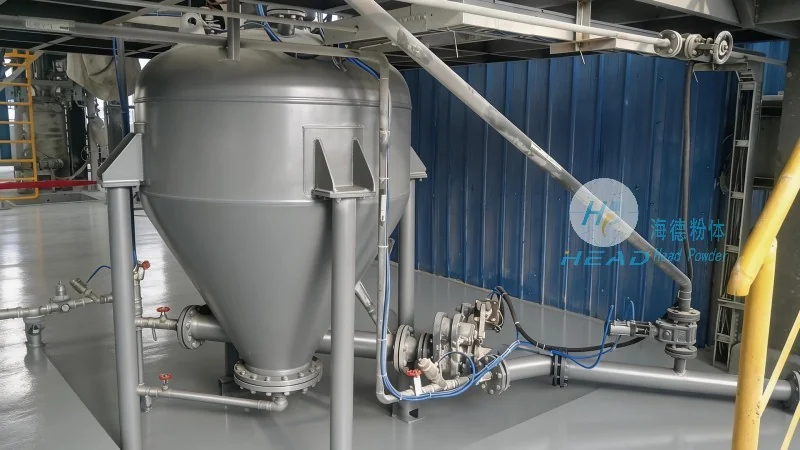
Another advantage is the flexibility of the system. Pneumatic conveying can be easily integrated with other processing equipment, such as mixers, blenders, and packaging machines, allowing for seamless material transfer from one stage to the next. This integration can reduce labor costs and improve overall production throughput. Furthermore, the system can be scaled to accommodate varying production volumes, making it suitable for both small-scale and large-scale oat flour processing operations.
Considerations for Selecting the Right Oat Flour Pneumatic Conveying System
When selecting a pneumatic conveying system for oat flour processing, several factors must be carefully considered to ensure optimal performance and cost-effectiveness. The first consideration is the specific characteristics of the oat flour, including its particle size distribution, moisture content, and flowability. These properties will determine the most suitable conveying method and system components. For example, if the oat flour has a wide particle size range or is prone to agglomeration, a system with a high air velocity and possibly a vibratory feeder may be required to maintain consistent flow.
Another critical factor is the distance and elevation the material needs to be transported. Short distances and low elevations may be handled by a simple pressure system, while longer distances or higher elevations may require a more complex system with multiple stages of conveying or a combination of pressure and vacuum. The system's capacity, or the amount of oat flour that can be conveyed per hour, is also an important consideration, as it must match the production requirements of the facility.
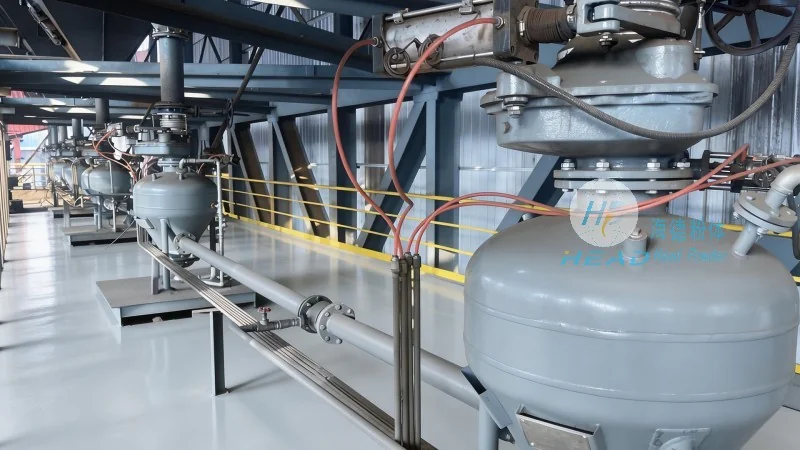
Cost is also a significant factor in the selection process. While pneumatic systems may have a higher initial investment compared to some mechanical conveyors, their long-term benefits, such as reduced maintenance costs and improved product quality, often outweigh the initial expense. Additionally, the system's energy efficiency should be evaluated, as operating costs can vary significantly based on the air compressor's efficiency and the system's design.
Conclusion: The Role of Oat Flour Pneumatic Conveying Equipment in Modern Processing
Oat flour pneumatic conveying equipment plays a vital role in the efficient and safe handling of oat flour and other fine powders in the food processing industry. By leveraging the principles of pneumatic transport, these systems provide a reliable and flexible method for moving materials through processing facilities while maintaining product integrity and minimizing operational risks. As the demand for high-quality oat flour products continues to grow, the importance of investing in well-designed pneumatic conveying systems will only increase. For businesses looking to enhance their processing capabilities, understanding the design principles and benefits of such equipment is a critical step toward achieving operational excellence.