Barite powder, a crucial industrial material widely used in various sectors such as oil drilling, medical imaging, and manufacturing, requires efficient and reliable transportation methods to ensure smooth production processes. The choice of conveying method significantly impacts operational efficiency, material integrity, and overall cost-effectiveness. This article explores the primary methods for barite powder conveying, with a detailed focus on the advantages and features of pneumatic conveying, a popular and effective solution in the industry.
Introduction to Barite Powder Conveying Methods
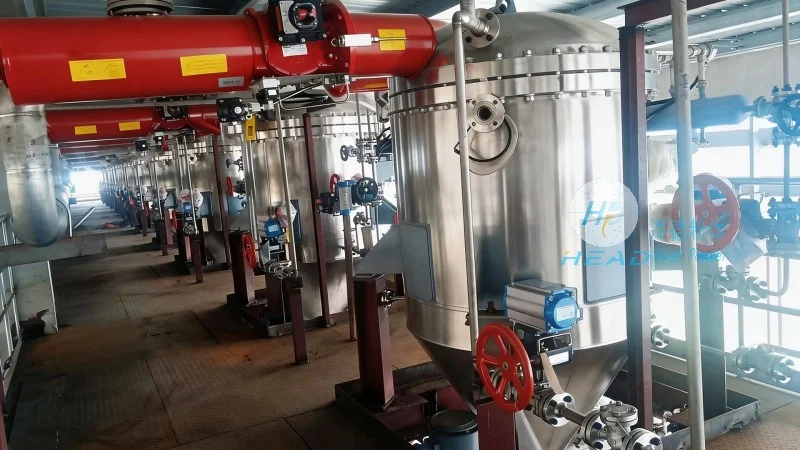
Barite powder, also known as barium sulfate, is a fine-grained material that demands specialized handling due to its particle size and density. Traditional conveying methods like belt conveyors or screw conveyors may not be suitable for barite powder due to issues like dust generation, material degradation, and blockages. Consequently, modern industrial applications increasingly rely on advanced techniques such as pneumatic conveying to transport barite powder safely and efficiently. The primary methods for barite powder conveying include pneumatic conveying, mechanical conveying (e.g., screw conveyors, belt conveyors), and hydraulic conveying. Each method has its own set of advantages and limitations, making the selection process critical for optimizing industrial operations.
The Advantages and Features of Pneumatic Conveying for Barite Powder
Pneumatic conveying, also referred to as air conveying, is a method that uses compressed air or gas to transport bulk materials like barite powder through a pipeline system. This technique offers several key advantages that make it an ideal choice for barite powder handling. First, pneumatic conveying provides a dust-free environment, which is essential for maintaining material purity and reducing health hazards associated with fine powders. Unlike mechanical conveyors that can generate significant dust, pneumatic systems minimize exposure to airborne particles, enhancing workplace safety and compliance with environmental regulations. Second, pneumatic conveying allows for the transport of barite powder over long distances with minimal pressure loss, making it suitable for large-scale industrial applications where material needs to be moved from storage to processing units or between different production stages.
Third, this method enables the handling of barite powder in a closed system, preventing contamination from external sources and ensuring the material remains in its original state. The closed pipeline design also reduces the risk of material spillage and environmental pollution, which is particularly important for barite powder, which may contain heavy metals or other hazardous components. Additionally, pneumatic conveying systems can be designed to handle varying particle sizes and moisture content, making them versatile for different barite powder applications. The flexibility in system design allows for customization based on specific operational requirements, such as the need for high-temperature or corrosive-resistant materials.
Another significant advantage of pneumatic conveying is its ability to integrate with other processing equipment seamlessly. The system can be connected to storage silos, mixers, or reactors, enabling a continuous flow of barite powder from storage to the point of use. This integration improves overall production efficiency by reducing downtime and manual handling. Furthermore, pneumatic conveying systems are relatively easy to install and maintain compared to other bulk material handling solutions. The modular design of these systems allows for scalability, meaning they can be expanded or modified as production needs change. This adaptability makes pneumatic conveying a cost-effective solution for both new and existing industrial facilities.
Comparison with Other Conveying Methods
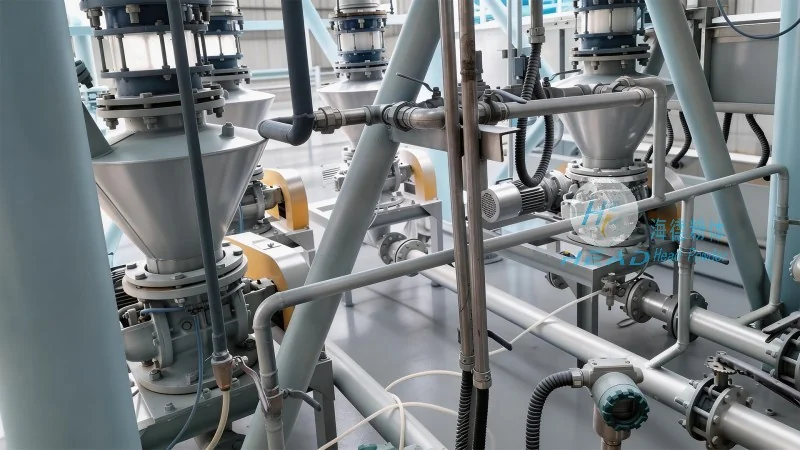
While pneumatic conveying is highly effective for barite powder, it is essential to compare it with other common methods to understand its unique benefits. Mechanical conveyors, such as screw or belt conveyors, are widely used in various industries but have limitations when handling fine powders. These systems often suffer from material buildup, which can lead to blockages and increased maintenance costs. Additionally, mechanical conveyors generate significant dust, requiring additional dust control measures that add to operational expenses. In contrast, pneumatic conveying systems are less prone to blockages and offer better dust containment, reducing the need for extensive cleaning and maintenance.
Hydraulic conveying, which uses water to transport materials, is another alternative for barite powder. However, this method is less common due to the potential for water contamination and the need for additional equipment to separate water from the material. Pneumatic conveying, on the other hand, uses air, which is more environmentally friendly and easier to manage. The absence of water also prevents issues related to moisture absorption or material degradation, which can affect the quality of barite powder used in sensitive applications like oil drilling or medical imaging.
Key Features of Pneumatic Conveying Systems for Barite Powder
Several key features distinguish pneumatic conveying systems for barite powder, contributing to their effectiveness and reliability. One of the most important features is the ability to handle fine particles without causing degradation. Barite powder particles are typically small, and mechanical stress or friction in traditional conveyors can lead to particle breakdown or agglomeration. Pneumatic systems use low-pressure or high-pressure air to move particles gently, preserving their size and shape. This is crucial for applications where the particle size distribution directly impacts the material's performance, such as in oil drilling where barite is used as a weighting agent to increase fluid density.
Another critical feature is the system's ability to control material flow and pressure. Pneumatic conveying systems can be equipped with valves, regulators, and sensors that allow for precise control over the flow rate and pressure within the pipeline. This control is essential for maintaining consistent material delivery to processing equipment, preventing overloading or underloading, and ensuring optimal performance. The ability to adjust flow rates dynamically also helps in responding to changes in production demand, making the system more flexible and efficient.
Furthermore, pneumatic conveying systems are designed with safety in mind. The closed pipeline design prevents accidental release of barite powder into the environment, reducing the risk of contamination and health hazards. The systems also include safety features such as pressure relief valves and emergency shut-off mechanisms to prevent accidents in case of system failures. These safety measures are particularly important for handling materials like barite powder, which may contain hazardous components or be used in critical applications where material purity is paramount.
Applications of Pneumatic Conveying in Barite Powder Handling
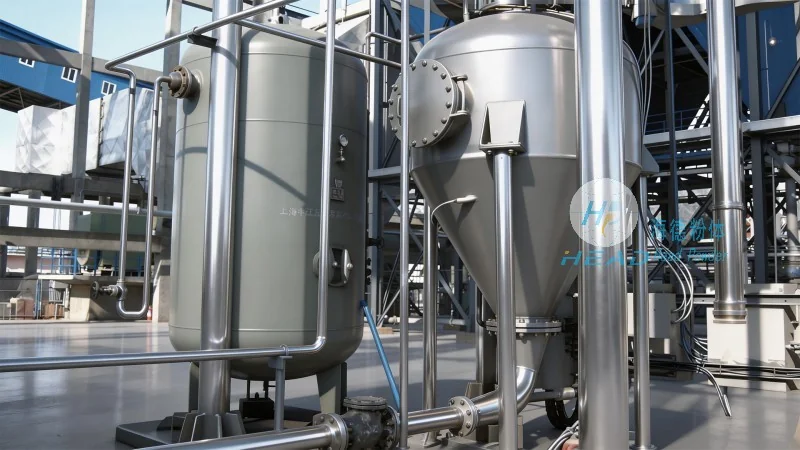
Pneumatic conveying is widely used in various applications involving barite powder due to its efficiency and reliability. In the oil and gas industry, barite powder is used as a weighting agent to increase the density of drilling fluids, preventing blowouts and improving wellbore stability. Pneumatic conveying systems are used to transport barite powder from storage silos to the drilling site, ensuring a continuous and controlled supply of material. The ability to handle large volumes of barite powder over long distances makes pneumatic systems ideal for this application, as they can deliver the material directly to the wellhead without the need for intermediate storage or manual handling.
In the medical imaging industry, barite powder is used as a contrast agent in X-ray and CT scans. The material is mixed with water to create a suspension that is ingested or administered to patients, allowing for clearer imaging of internal organs. Pneumatic conveying systems are used to transport barite powder from storage to mixing facilities, ensuring that the material is handled in a clean and controlled environment. The dust-free operation of pneumatic systems is particularly important here, as any contamination could affect the quality of the contrast agent and, consequently, the accuracy of medical imaging.
In manufacturing, barite powder is used as a filler in various products such as paints, plastics, and rubber. Pneumatic conveying systems are used to transport barite powder from storage to production lines, where it is mixed with other components to create the final product. The ability to handle fine particles and maintain material purity makes pneumatic conveying suitable for these applications, where the quality of the final product is directly related to the quality of the barite powder used.
Conclusion
Barite powder conveying is a critical aspect of industrial operations, and the choice of conveying method significantly impacts efficiency, safety, and cost. Pneumatic conveying stands out as a superior solution due to its ability to handle fine powders, provide dust-free operation, and maintain material integrity. The advantages of pneumatic conveying, including its flexibility, scalability, and integration capabilities, make it an ideal choice for various applications involving barite powder. As industrial demands continue to evolve, the importance of efficient material handling will only increase, and pneumatic conveying systems will remain a key component in optimizing barite powder transportation processes.




