

What is a Ammonium Bicarbonate Material Conveying Line? What Are Its Design Principles?
Ammonium bicarbonate, a white crystalline powder widely used in the food, pharmaceutical, and chemical industries, requires specialized handling due to its hygroscopic and reactive properties. The ammonium bicarbonate material conveying line is a critical system engineered to transport this material safely and efficiently from storage to processing units. This article explores the fundamental aspects of such lines, focusing on their design principles and operational effectiveness.
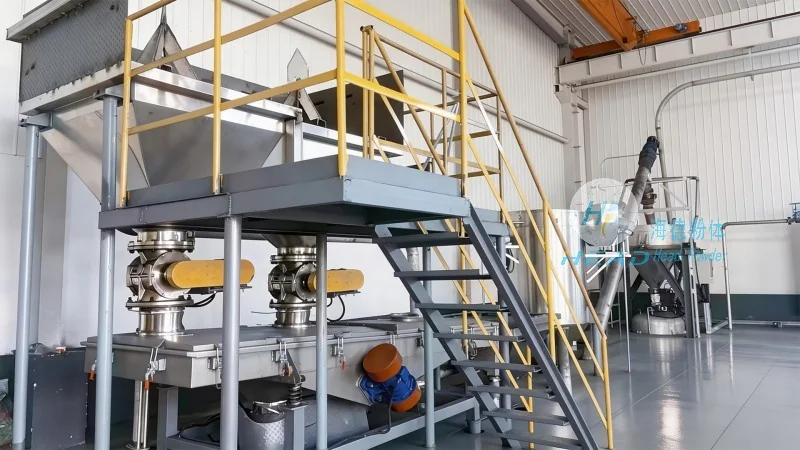
Overview of Ammonium Bicarbonate and Its Handling Needs
Ammonium bicarbonate (NH₄HCO₃) is a versatile chemical compound known for its ability to act as a leavening agent in baking and as a precursor in various industrial processes. However, its hygroscopic nature—its tendency to absorb moisture from the air—makes it susceptible to caking and degradation if not handled properly. Conveying lines for this material must address these challenges by maintaining low humidity, controlling temperature, and preventing material degradation during transport. The design of these systems is tailored to the unique physical and chemical characteristics of ammonium bicarbonate.
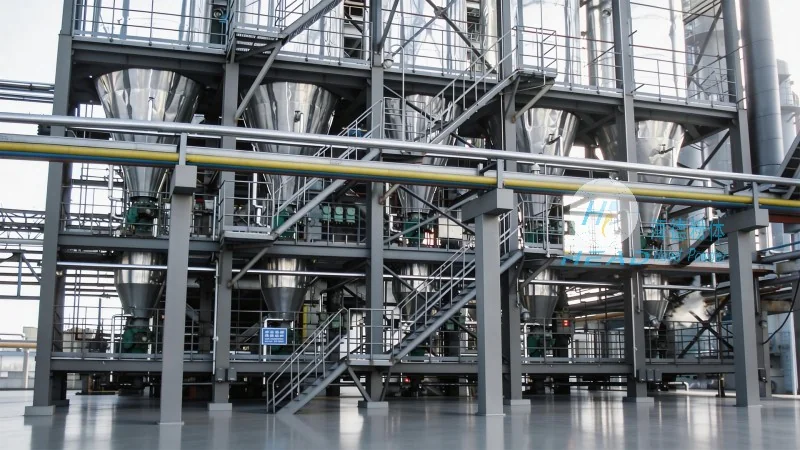
Key Design Principles for Efficient Conveying Systems
The design of an ammonium bicarbonate material conveying line is governed by several core principles aimed at ensuring safety, efficiency, and material integrity. First, material compatibility is paramount: components such as hoppers, conveyors, and piping must be made from materials resistant to the chemical’s acidity and moisture absorption, such as stainless steel or specialized plastics. Second, airflow management is critical to prevent caking and maintain material flow. Positive pressure systems or sealed conveyor designs are often employed to keep air and moisture out, ensuring the material remains dry and free-flowing. Third, energy efficiency is a key consideration, as continuous operation of conveying systems can be costly. Variable frequency drives (VFDs) and optimized conveyor speeds help reduce energy consumption while maintaining throughput. Finally, sanitation and maintenance are integral to the design, as ammonium bicarbonate can adhere to surfaces and require regular cleaning to prevent contamination and system blockages.
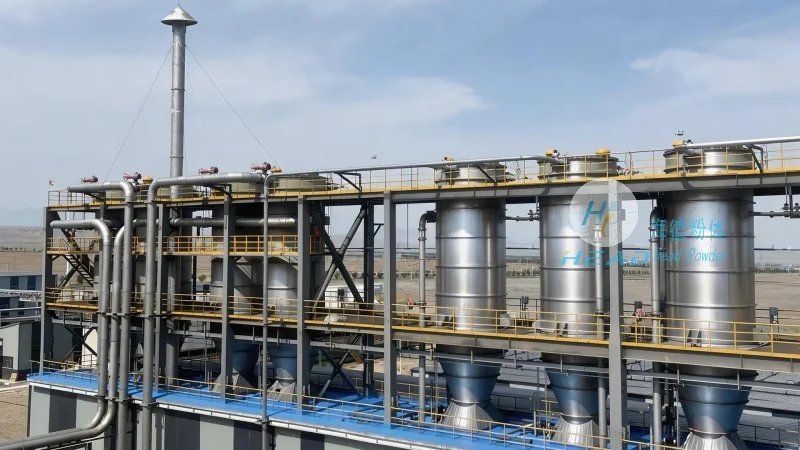
Components and Technology in Ammonium Bicarbonate Conveying Lines
Modern ammonium bicarbonate conveying lines typically consist of several interconnected components, each playing a vital role in the overall system. The primary components include: 1. Storage and feeding equipment, such as hoppers with agitators or vibrators to prevent material bridging and ensure consistent feed rates. 2. Conveying mechanisms, such as screw conveyors, pneumatic conveyors, or belt conveyors, selected based on the material’s properties and the distance to be covered. Screw conveyors are common for horizontal or slight incline transport due to their ability to handle bulk materials without segregation. Pneumatic conveyors, on the other hand, use air pressure to move material, which is ideal for fine powders like ammonium bicarbonate, as they minimize material degradation and caking. 3. Control systems, including sensors for level monitoring, flow measurement, and alarms for system failures. These systems ensure the conveying line operates within safe parameters and alert operators to any issues promptly. 4. Cleaning and maintenance systems, such as wash-down stations and access panels, designed to facilitate regular cleaning and inspection, reducing downtime and maintaining product quality.
Application Scenarios and Operational Considerations
The application of ammonium bicarbonate conveying lines varies across industries. In the food industry, these systems are used to transport the material from bulk storage to production lines for baking or food processing. In the pharmaceutical sector, they are employed in GMP-compliant facilities to ensure the material is handled under sterile and controlled conditions. Chemical manufacturers may use them to move ammonium bicarbonate to reactors or other processing units. Operational considerations include maintaining consistent material flow rates to avoid overloading or underloading the system, monitoring humidity levels to prevent caking, and performing regular maintenance to ensure the system’s longevity. Additionally, safety protocols are critical, as ammonium bicarbonate can release ammonia gas when exposed to moisture or heat, requiring proper ventilation and protective equipment for operators.
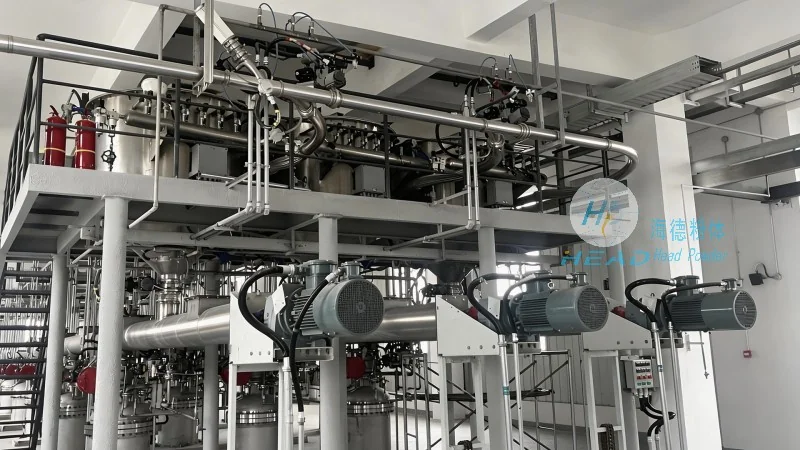
The Role of Shandong HeadPowder Engineering Co., Ltd. in Design and Implementation
Shandong HeadPowder Engineering Co., Ltd., a leading provider of material handling solutions, specializes in designing and implementing ammonium bicarbonate conveying lines tailored to the specific needs of its clients. With years of experience in the industry, the company leverages advanced engineering and technology to address the unique challenges of handling ammonium bicarbonate. Their team of experts conducts thorough assessments of client requirements, including material properties, production volumes, and operational constraints, to develop customized solutions. The company’s facilities, located in Shandong, China, are equipped with state-of-the-art equipment and testing capabilities to ensure the quality and reliability of their conveying systems. By focusing on material compatibility, efficient airflow management, and energy-saving technologies, Shandong HeadPowder Engineering Co., Ltd. delivers conveying lines that not only meet but exceed industry standards, ensuring safe and efficient transport of ammonium bicarbonate for its clients.