

What is a Resin Powder Material Conveying Line? What Are Its Design Principles?
A resin powder material conveying line is a specialized system engineered to transport resin powders efficiently and safely in industrial settings. These systems are crucial for manufacturing processes that rely on consistent and reliable movement of resin powders, which are often used in applications such as plastics production, composites manufacturing, and coatings. The design of these conveying lines is tailored to address the unique challenges associated with handling resin powders, including their fine particle size, potential for static charge, and the need for minimal contamination.
Key Design Principles for Resin Powder Conveying Systems
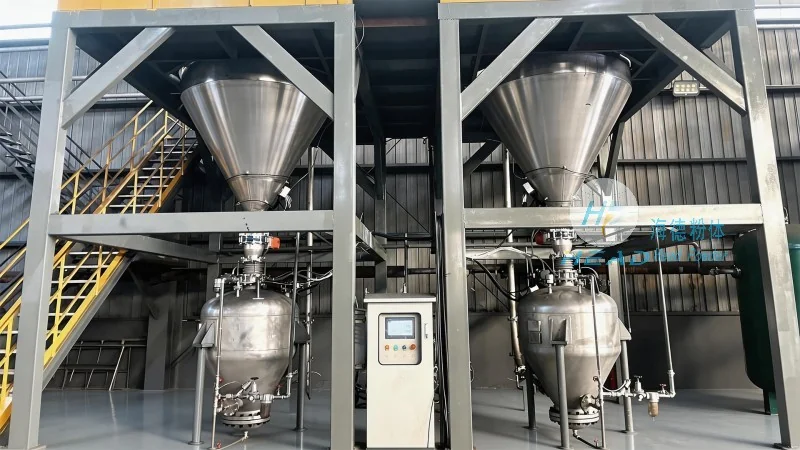
The design of a resin powder material conveying line is governed by several critical principles aimed at optimizing performance, ensuring safety, and maintaining product integrity. First, the system must be designed to minimize dust generation and control static electricity, as resin powders are prone to creating static charges that can lead to material buildup or even explosions in certain environments. This is typically achieved through the use of conductive materials, grounding mechanisms, and proper ventilation systems. Second, the conveying line must be constructed from materials that are resistant to chemical corrosion and wear, as resin powders can be abrasive and may contain chemicals that could degrade standard metal components over time. Stainless steel and specialized coatings are commonly used to ensure durability and longevity. Third, the system must incorporate efficient feeding and discharge mechanisms to maintain a consistent flow rate and prevent clogging, which is essential for maintaining production efficiency. This often involves the use of rotary valves, feeders, and adjustable speed drives to regulate the flow of resin powder. Additionally, the design must consider the need for easy maintenance and cleaning, as resin powders can adhere to surfaces and require regular maintenance to prevent system downtime.
Components and Functionality of Resin Powder Conveying Lines
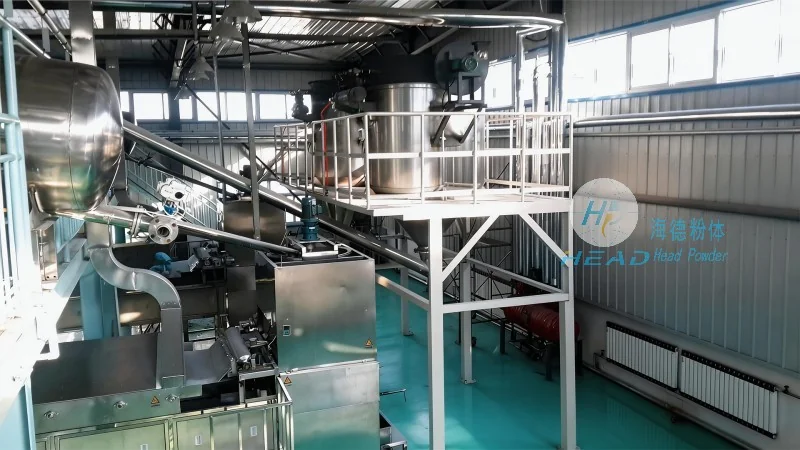
Resin powder material conveying lines typically consist of several key components that work together to ensure smooth operation. The primary components include a hopper or storage bin for holding the resin powder, a feeder mechanism to control the flow of material from the hopper, a conveying system (such as a screw conveyor, pneumatic conveyor, or belt conveyor) to transport the powder to the processing equipment, and a discharge system to deliver the powder to the next stage of the production process. The hopper is designed to minimize material bridging and agglomeration, which can occur with fine powders like resin. It may include features such as cone-shaped bottoms or vibrators to ensure consistent material flow. The feeder, often a rotary valve or a volumetric feeder, regulates the amount of powder released into the conveying system, ensuring a steady and controlled flow rate. The conveying system is selected based on the specific characteristics of the resin powder and the application requirements. For example, screw conveyors are commonly used for horizontal or slight incline transport due to their ability to handle abrasive materials and maintain a consistent flow. Pneumatic conveyors, on the other hand, are ideal for longer distances or when the powder needs to be transported vertically, as they use air pressure to move the material through a pipeline. The discharge system may include a rotary valve or a gate valve to control the release of the powder into the processing equipment, ensuring that the material is delivered in a controlled manner without causing spills or blockages.
Benefits of Using Resin Powder Conveying Lines
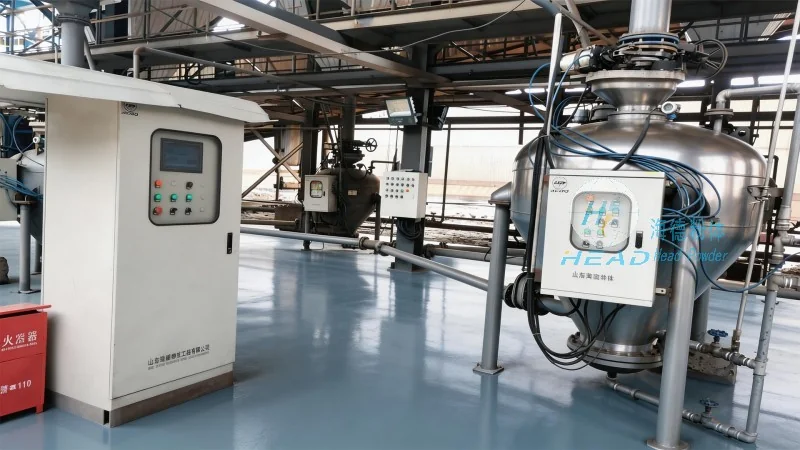
Implementing a resin powder material conveying line offers numerous benefits for industrial operations. One of the most significant advantages is the improvement in production efficiency. By automating the transport of resin powders, the system reduces the need for manual handling, which can be time-consuming and prone to errors. This leads to a more consistent and reliable supply of material to the processing equipment, minimizing downtime and increasing overall productivity. Another key benefit is the enhancement of safety in the workplace. Resin powder conveying systems are designed to minimize dust exposure and control static electricity, reducing the risk of respiratory issues or fire hazards associated with fine powders. This not only protects the workers but also helps in maintaining compliance with safety regulations. Additionally, the use of specialized materials and design features ensures that the resin powder remains free from contamination, which is critical for applications where product quality is paramount. This helps in maintaining consistent product properties and reducing waste due to defects. Furthermore, the modular design of these systems allows for easy integration into existing production lines, making it possible to upgrade or expand the conveying capabilities as the manufacturing needs evolve. This flexibility is particularly valuable for companies that are growing or adapting to new production requirements.
Application Examples in Resin Powder Processing
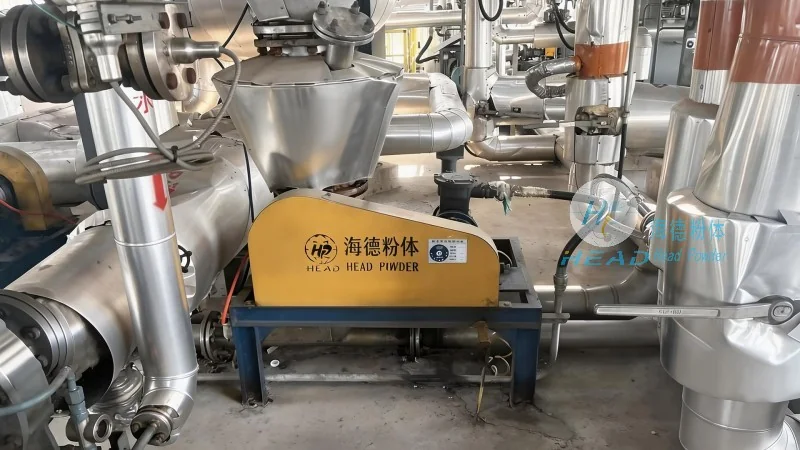
Resin powder material conveying lines are widely used in various industries that rely on resin powders for their manufacturing processes. In the plastics industry, these systems are essential for transporting resin powders to extrusion or molding machines, ensuring a continuous supply of material for producing plastic products such as bottles, containers, and automotive parts. In the composites industry, the conveying lines are used to move resin powders to mixing and molding equipment, where they are combined with other materials to create high-performance composite products used in aerospace, automotive, and construction applications. In the coatings industry, the systems are used to transport resin powders to spray or dip coating equipment, enabling the production of high-quality coatings for various surfaces. These applications highlight the versatility and importance of resin powder conveying lines in modern manufacturing, as they play a critical role in ensuring the smooth and efficient operation of production lines.