

What Are Lithium-Ion Battery Material Handling Equipment? And What Are Their Design Principles?
When it comes to the production of lithium-ion batteries, efficient material handling is crucial for ensuring high-quality manufacturing processes. This article will explore the role of lithium-ion battery material handling equipment and delve into the design principles that underpin their functionality.
Lithium-Ion Battery Material Handling Equipment: An Overview
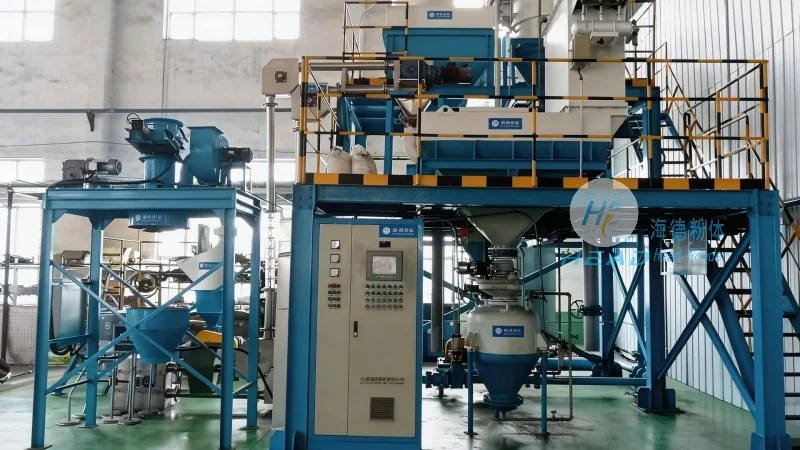
Lithium-ion battery material handling equipment refers to a range of machinery and systems designed to transport, store, and manage raw materials and components used in the battery manufacturing process. These systems are integral to the overall production workflow, enabling manufacturers to streamline operations and enhance productivity. The equipment typically includes conveyors, feeders, storage solutions, and automated handling devices that work in tandem to move materials from one stage of production to the next.
Key Components of Lithium-Ion Battery Material Handling Equipment
The effectiveness of lithium-ion battery material handling equipment depends on several key components. Conveyors, such as belt conveyors or chain conveyors, are commonly used to transport bulk materials like powders and granules. Feeder systems, including vibratory feeders or screw feeders, regulate the flow of materials to ensure consistent feeding rates. Storage solutions, like silos or hoppers, provide a controlled environment for storing raw materials, preventing contamination and maintaining material quality. Additionally, automated handling devices, such as robotic arms or automated guided vehicles (AGVs), can be integrated to enhance precision and reduce manual labor.
Design Principles for Lithium-Ion Battery Material Handling Equipment
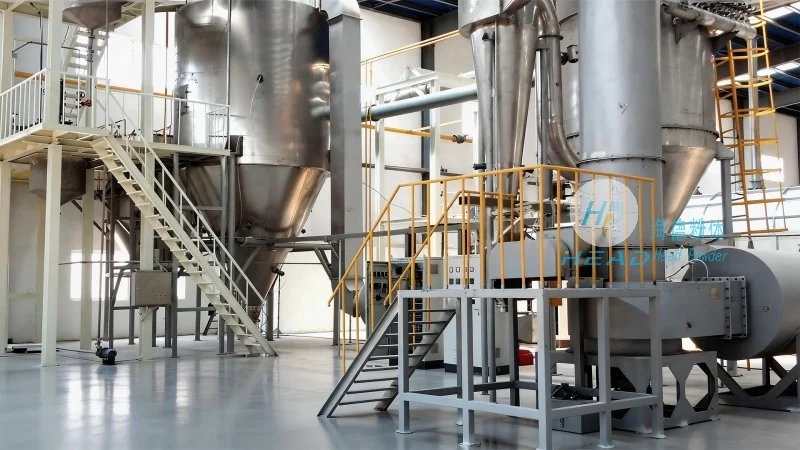
The design of lithium-ion battery material handling equipment is guided by several critical principles aimed at optimizing performance and reliability. First, material compatibility is paramount. The equipment must be constructed from materials that are resistant to corrosion and chemical reactions, particularly when handling reactive materials like lithium compounds. Second, precision and accuracy are essential to maintain the integrity of the materials being handled. This includes ensuring minimal material degradation, such as dust generation or particle size changes, which can affect battery performance. Third, efficiency and throughput are key considerations. The design must allow for high-speed material transport while maintaining consistent quality control. Fourth, safety is a non-negotiable aspect. Equipment must incorporate safety features like emergency stops, protective enclosures, and material containment systems to prevent accidents and protect operators.
Applications of Lithium-Ion Battery Material Handling Equipment
Lithium-ion battery material handling equipment is utilized in various stages of the battery production process. In the raw material preparation stage, equipment is used to transport and process materials like lithium carbonate, nickel oxide, and cobalt oxide. During the cell assembly stage, conveyors and feeders are employed to deliver active materials and electrodes to the assembly lines. In the packaging and shipping stage, automated handling systems ensure that finished batteries are efficiently moved to storage or distribution centers. The versatility of these systems allows them to adapt to different production scales, from small-scale laboratory operations to large-scale industrial manufacturing.
Customization and Integration with Manufacturing Systems
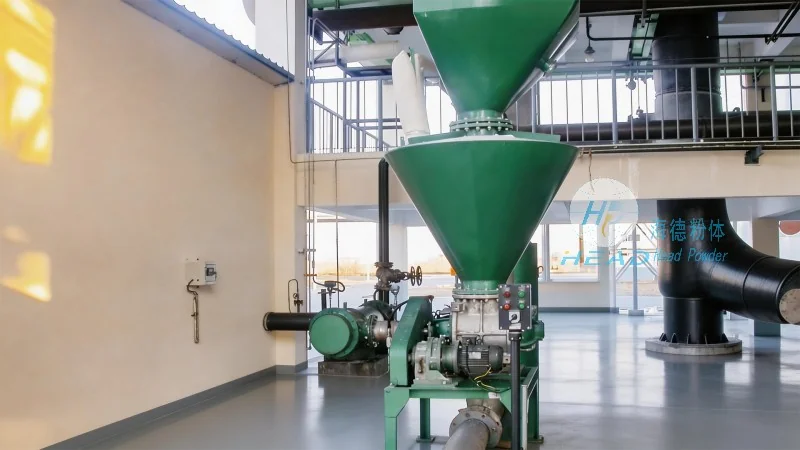
Many manufacturers of lithium-ion battery material handling equipment offer customization options to meet the specific needs of their clients. This includes adapting equipment to handle different material types, adjusting conveyor speeds, or integrating with existing manufacturing systems. For instance, companies like Shandong HeadPowder Engineering Co., Ltd., a leading provider of material handling solutions, specialize in designing and manufacturing equipment tailored to the lithium-ion battery industry. Their expertise in material handling technology ensures that their equipment is optimized for the unique challenges of battery production, including the handling of fine powders and reactive materials.
Conclusion
Lithium-ion battery material handling equipment plays a vital role in the efficient and reliable production of lithium-ion batteries. By adhering to design principles that prioritize material compatibility, precision, efficiency, and safety, manufacturers can enhance their production processes and deliver high-quality products. As the demand for lithium-ion batteries continues to grow, the importance of robust material handling systems will only increase, making them an essential component of modern battery manufacturing.