For industries dealing with dry sand and similar bulk materials, efficient material handling is crucial for operational efficiency and cost-effectiveness. This article explores the concept of dry sand material handling and delves into the fundamental design principles that underpin effective systems.
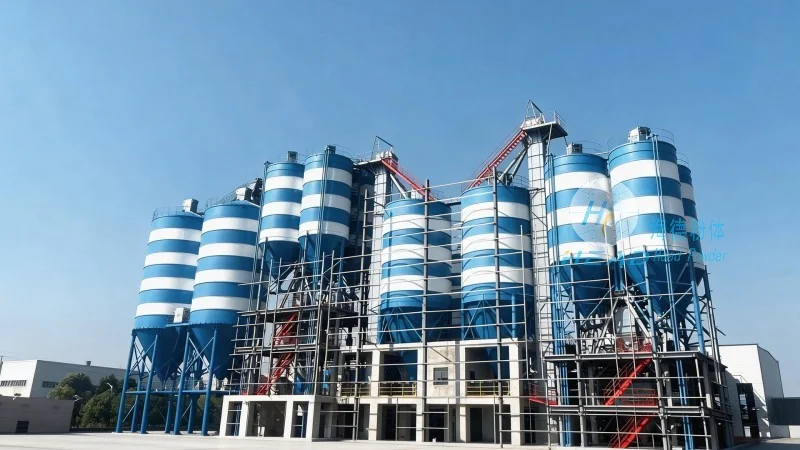
Understanding Dry Sand Material Handling
Dry sand material handling refers to the process of transporting, storing, and managing dry sand or other dry bulk materials without the use of water or other binding agents. This type of material handling is common in construction, mining, and manufacturing industries where dry sand is used as a raw material or intermediate product. The primary goal is to move these materials from one location to another with minimal loss, contamination, or degradation.
The Importance of Proper Design in Dry Sand Handling
The design of dry sand material handling systems is critical to ensure optimal performance. A well-designed system can significantly reduce operational costs, improve safety, and enhance the overall quality of the material being handled. Key design considerations include material properties, flow characteristics, equipment selection, and system integration.
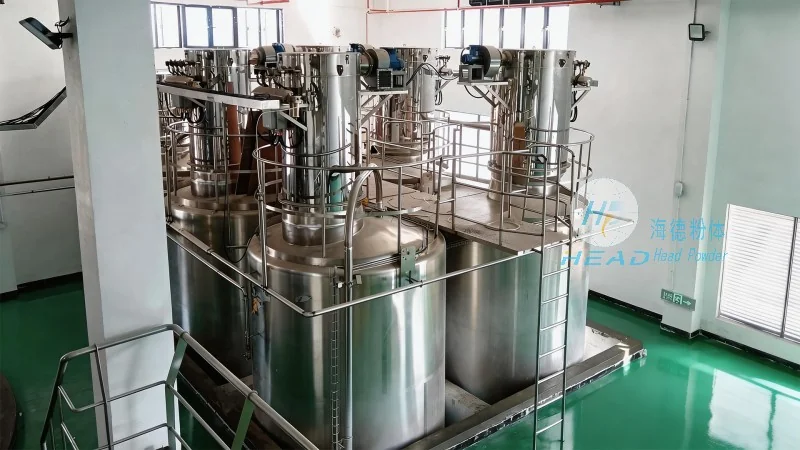
Key Design Principles for Dry Sand Material Handling
Several key design principles guide the development of effective dry sand handling systems. These principles are tailored to the unique characteristics of dry sand, such as its particle size, density, and flowability. The following are some of the most important design principles:
1. Proper Equipment Selection
Choosing the right equipment is essential for efficient dry sand handling. Equipment like conveyors, feeders, and storage silos must be selected based on the specific properties of the dry sand. For example, screw conveyors are often used for handling dry sand due to their ability to handle materials with varying moisture content and particle sizes. Vibrating feeders can also be used to regulate the flow of dry sand into processing equipment.
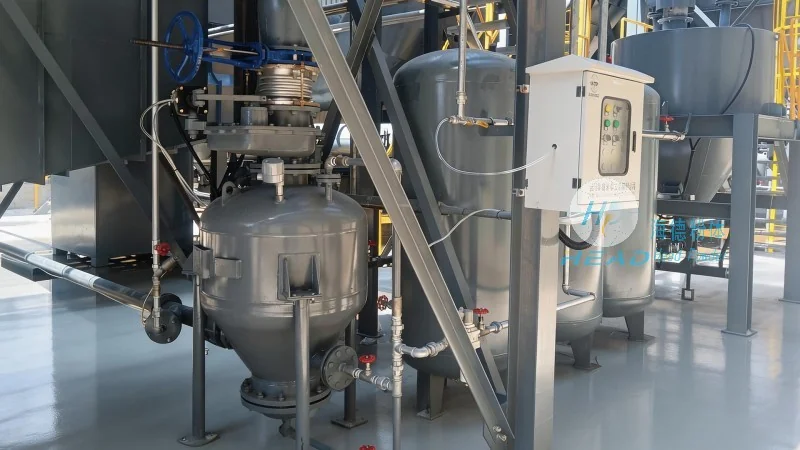
2. Ensuring Adequate Flow and Preventing Clogging
Dry sand can sometimes exhibit poor flow characteristics, leading to clogging in pipes or storage bins. Designing systems with proper slope, using flow aids like vibrators or air knives, and selecting equipment with appropriate dimensions can help prevent clogging and ensure smooth material flow.
3. Controlling Moisture and Temperature
Moisture and temperature can significantly affect the handling properties of dry sand. Designing systems with moisture control measures, such as drying equipment or moisture sensors, and temperature regulation can help maintain the optimal conditions for material handling.
4. Maintaining Cleanliness and Preventing Contamination
Dry sand handling systems must be designed to prevent contamination from dust, other materials, or environmental factors. This includes using sealed equipment, proper filtration systems, and regular maintenance to ensure the material remains clean and free from impurities.
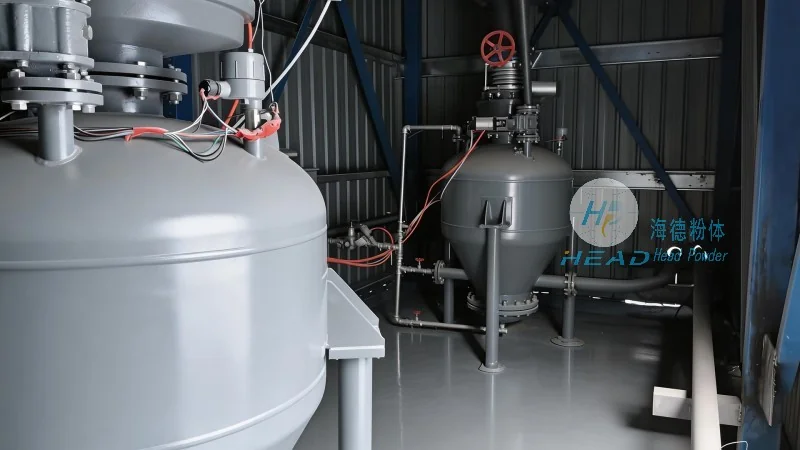
HeadPowder Engineering: Expertise in Dry Sand Handling Solutions
Shandong HeadPowder Engineering Co., Ltd., a leading provider of engineering solutions for bulk material handling, specializes in designing and implementing dry sand material handling systems. With years of experience in the industry, HeadPowder understands the unique challenges associated with handling dry sand and provides tailored solutions to meet the specific needs of their clients.
Conclusion
Effective dry sand material handling requires a deep understanding of the material's properties and a well-designed system that adheres to key principles such as proper equipment selection, flow control, and contamination prevention. By following these principles, industries can achieve efficient, cost-effective, and safe handling of dry sand, ultimately improving their overall operational performance.




