

[LITHIUM COBALT OXIDE POWDER CONVEYING SYSTEM EQUIPMENT: UNDERSTANDING ITS DESIGN PRINCIPLES]
HeadPowder, a leading manufacturer based in Shandong, China, specializes in providing advanced powder handling solutions tailored for the lithium battery industry. This article explores the lithium cobalt oxide powder conveying system equipment, detailing its functionality and the underlying design principles that ensure efficient and safe operation.
Introduction to Lithium Cobalt Oxide Powder Conveying Systems
Lithium cobalt oxide (LiCoO₂) is a critical component in lithium-ion batteries, widely used in portable electronics, electric vehicles, and renewable energy storage systems. The efficient and reliable transport of LiCoO₂ powder from production lines to processing units is essential for maintaining high product quality and production throughput. The lithium cobalt oxide powder conveying system equipment is engineered to address these challenges by integrating advanced technologies for material handling, dust control, and process automation.
Key Components and Functionalities of the Conveying System
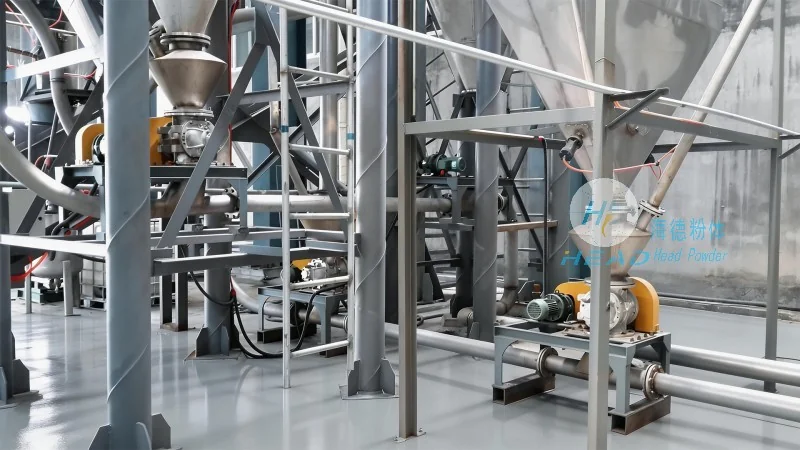
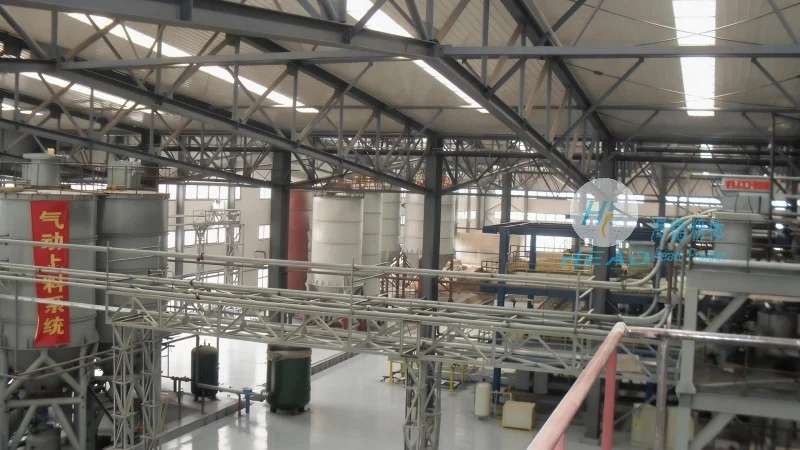
The lithium cobalt oxide powder conveying system typically comprises several key components, each playing a vital role in the overall operation. These include feed hoppers, conveyor belts or screw conveyors, dust collection systems, and control panels. The feed hopper is designed to store and meter the LiCoO₂ powder, ensuring a consistent flow rate. Conveyor mechanisms, such as belt conveyors or pneumatic systems, transport the powder to the next processing stage. Dust collection systems are integrated to capture and filter airborne particles, maintaining a clean and safe working environment. The control panel allows operators to monitor and adjust the system parameters, ensuring optimal performance.
Design Principles for Efficient and Safe Operation
The design of the lithium cobalt oxide powder conveying system adheres to several fundamental principles to ensure efficiency, safety, and reliability. Firstly, the system is constructed with materials that are resistant to corrosion and chemical reactions, as LiCoO₂ powder can be sensitive to certain substances. Stainless steel and specialized coatings are commonly used to prevent contamination and extend the equipment's lifespan. Secondly, the system incorporates dust control measures, including sealed enclosures and high-efficiency filters, to minimize the risk of dust exposure and environmental contamination. Thirdly, the design emphasizes energy efficiency, with optimized motor drives and variable speed controls reducing energy consumption while maintaining performance. Additionally, safety features such as emergency stop buttons, interlocks, and monitoring sensors are integrated to prevent accidents and ensure compliance with industrial safety standards.
Application and Benefits in the Lithium Battery Industry
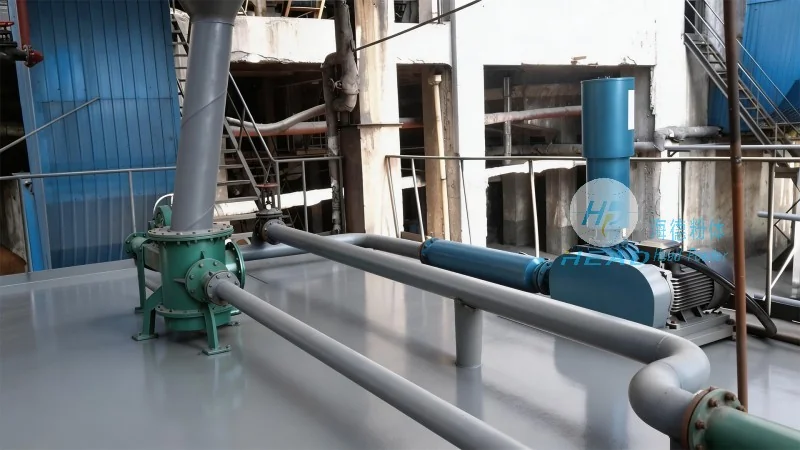
The lithium cobalt oxide powder conveying system is widely adopted in lithium battery manufacturing facilities due to its ability to handle fine powders with high precision. By maintaining a consistent flow rate and minimizing material loss, the system contributes to improved product yield and reduced operational costs. The integration of dust control systems also enhances workplace safety and environmental compliance, which is increasingly important in the battery industry. Furthermore, the system's modular design allows for easy integration with existing production lines, enabling manufacturers to upgrade their facilities without significant disruptions.
Conclusion
HeadPowder's lithium cobalt oxide powder conveying system equipment exemplifies advanced engineering tailored to the specific needs of the lithium battery industry. By combining robust construction, efficient material handling, and comprehensive safety features, the system ensures reliable operation and contributes to the overall productivity of battery manufacturing processes. As the demand for lithium-ion batteries continues to grow, such specialized equipment plays a crucial role in meeting the industry's evolving requirements for quality, efficiency, and sustainability.