Understanding the fundamentals of silicate powder conveying lines is crucial for industries dealing with such materials. These systems are engineered to efficiently transport silicate powders, which are widely used in various applications including ceramics, construction materials, and chemical industries. The design of these conveying lines is critical to ensure optimal performance, reliability, and safety in material handling operations.
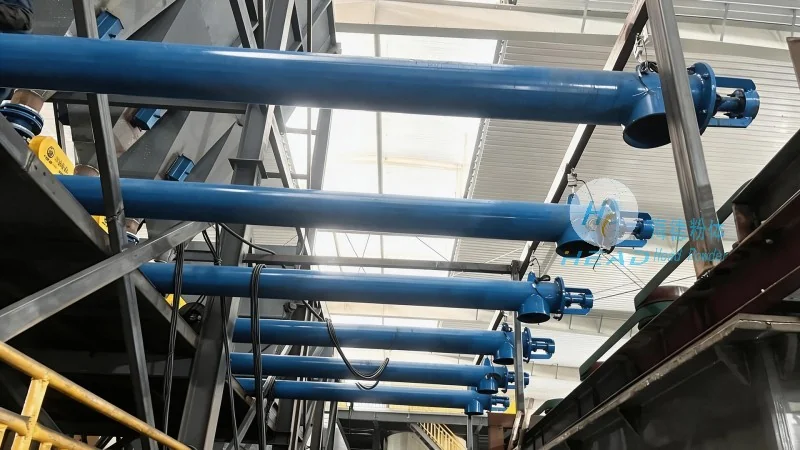
About Shandong HeadPowder Engineering Co., Ltd.
HeadPowder, or Shandong HeadPowder Engineering Co., Ltd., is a professional manufacturer specializing in the design, development, and production of advanced powder conveying systems. With a strong focus on innovation and quality, the company has established itself as a leading provider in the field of silicate powder handling solutions. HeadPowder's expertise lies in creating customized conveying lines that meet the specific requirements of clients across different industries.
Design Principles of Silicate Powder Conveying Lines
The design of a silicate powder conveying line involves several key principles aimed at ensuring efficient and reliable material transport. One of the primary considerations is the selection of appropriate components such as hoppers, feeders, and conveying mechanisms. The choice of components depends on factors like the physical properties of the silicate powder, including particle size, moisture content, and flowability. For example, materials with high moisture content may require special drying or conditioning steps to prevent clogging or degradation during transport.
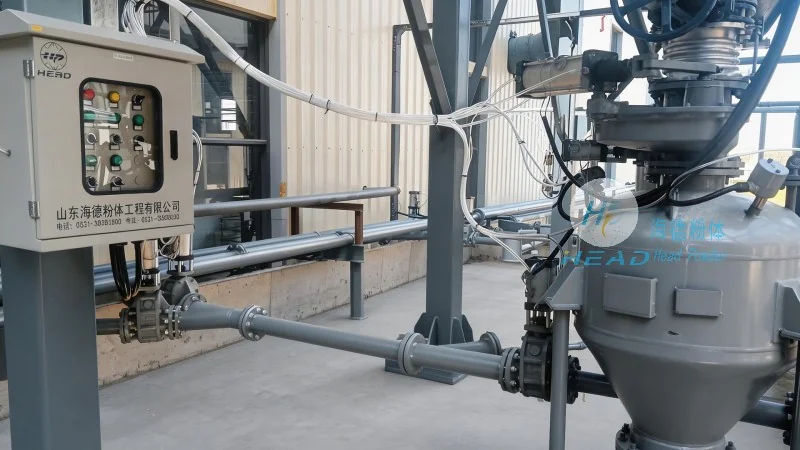
Another critical aspect is the control of air flow and pressure within the system. Proper air management is essential to maintain consistent material flow and prevent dust emissions. The conveying line typically operates under positive or negative pressure, depending on the specific application and environmental requirements. Positive pressure systems are commonly used for long-distance or high-capacity transport, while negative pressure systems are suitable for applications where dust containment is a priority.
Key Components and Their Functions
A typical silicate powder conveying line consists of several interconnected components that work together to achieve efficient material transport. The main components include: 1. Hoppers: These are used to store and feed the silicate powder into the conveying system. The design of hoppers is crucial to prevent material buildup and ensure smooth feeding. 2. Feeders: Feeders regulate the flow rate of the powder from the hopper to the conveyor. Common types include rotary valves, vibratory feeders, and screw feeders, each suited for different powder characteristics. 3. Conveying Mechanisms: These are the core components responsible for moving the powder through the system. Options include pneumatic conveying systems (using air pressure) and mechanical conveying systems (using belts or screws). The choice of mechanism depends on factors like material properties, distance, and capacity requirements. 4. Ducts and Pipelines: These are the pathways through which the powder is transported. The design of ducts, including their diameter, material, and layout, affects the system's efficiency and pressure drop. 5. Control Systems: These systems monitor and control the operation of the conveying line, ensuring optimal performance and safety. They may include sensors for flow rate, pressure, and temperature, as well as control panels for adjusting settings.
Applications and Industries
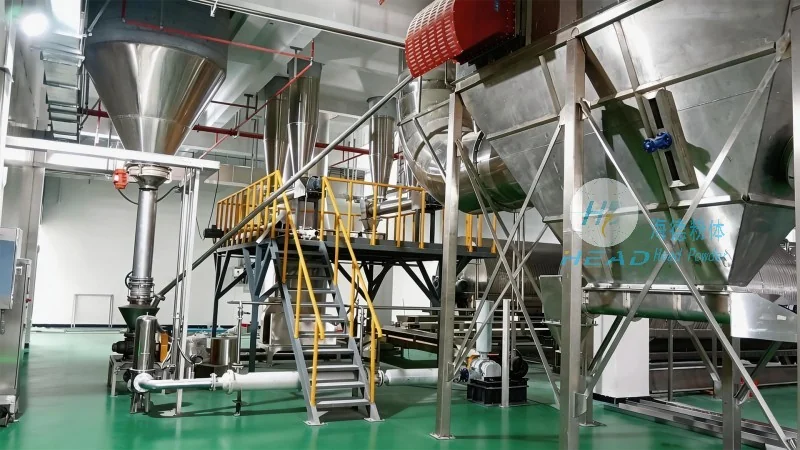
Silicate powder conveying lines are widely used in various industries that rely on the efficient handling of silicate materials. Some common applications include: 1. Ceramic Manufacturing: In the production of ceramics, silicate powders are used as raw materials. Conveying lines help transport these powders from storage to processing equipment, ensuring a consistent supply for production lines. 2. Construction Materials: Silicate powders are used in the production of cement, concrete, and other building materials. Conveying systems are essential for moving these materials from storage to mixing plants or construction sites. 3. Chemical Industries: In chemical processes, silicate powders may be used as additives or raw materials. Conveying lines help transport these materials safely and efficiently within the production facility. 4. Environmental Applications: Silicate powders are sometimes used in environmental remediation processes, such as in the treatment of soil or water. Conveying systems are used to transport these materials to treatment sites.
Advantages of Silicate Powder Conveying Lines
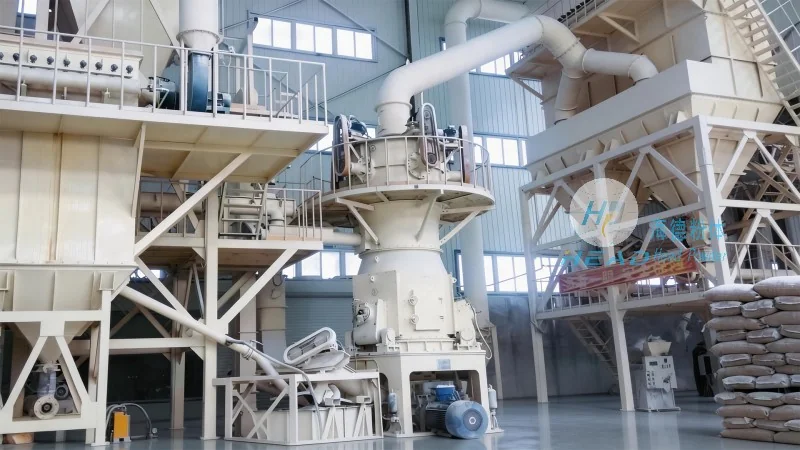
Implementing a silicate powder conveying line offers several advantages for industries. Firstly, it improves operational efficiency by reducing the time and labor required for manual material handling. Automated conveying systems can operate continuously, ensuring a steady supply of materials to production lines. Secondly, these systems enhance safety by minimizing the risk of dust exposure and accidents associated with manual handling. The enclosed design of the conveying line helps contain dust and prevent inhalation of fine particles. Thirdly, silicate powder conveying lines offer cost savings by reducing material waste and improving overall production efficiency. By minimizing material loss and optimizing transport, companies can achieve significant cost reductions over time. Additionally, the customized nature of these systems allows for flexibility in meeting the specific needs of different applications, ensuring optimal performance and reliability.
Conclusion
In conclusion, silicate powder conveying lines are essential systems for industries dealing with silicate materials. The design principles and components of these systems are carefully engineered to ensure efficient, reliable, and safe material transport. Companies like Shandong HeadPowder Engineering Co., Ltd. play a crucial role in providing customized solutions that meet the specific requirements of clients. By investing in advanced powder conveying systems, industries can improve their operational efficiency, enhance safety, and achieve cost savings. The importance of proper design and maintenance of these systems cannot be overstated, as they directly impact the overall performance and success of material handling operations.




