An alumina powder conveying line is a specialized system engineered to transport fine alumina powder from one location to another within industrial settings. This type of equipment is crucial in various manufacturing processes, particularly in industries that rely on high-purity alumina for production of ceramics, refractory materials, and other advanced products. The efficiency and reliability of an alumina powder conveying line directly impact the overall productivity and quality control of the production line.
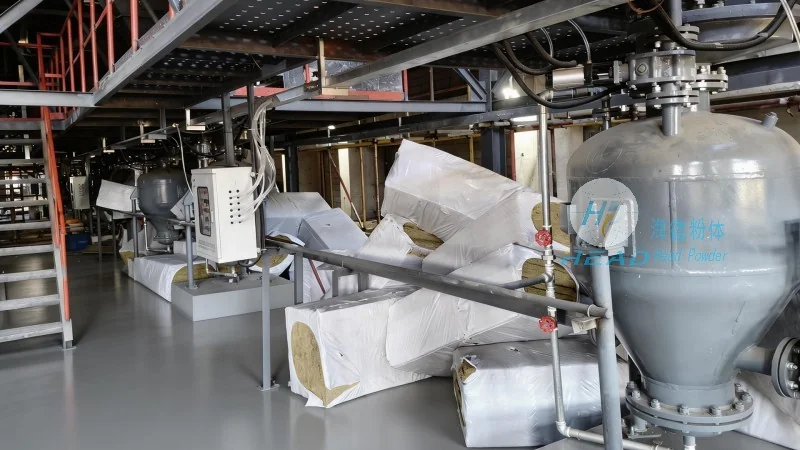
Key Design Principles of Alumina Powder Conveying Systems
The design of an alumina powder conveying line is based on several critical principles to ensure optimal performance. First, the system must be constructed from materials that are resistant to corrosion and wear, as alumina powder can be abrasive and may contain acidic or basic components. Common materials used include stainless steel, special alloys, and sometimes ceramic components to handle the harsh environment. Second, the conveying method is typically chosen based on the specific characteristics of the powder, such as particle size, moisture content, and flowability. For fine alumina powders, pneumatic conveying systems are often preferred due to their ability to handle fine particles without clogging. These systems use air pressure to move the powder through pipelines, ensuring a smooth and continuous flow. Third, the system must incorporate proper dust control measures. Alumina powder is a fine particulate that can create dust, which poses health and safety risks. Therefore, the design includes features like dust collectors, sealed containers, and filtration systems to minimize airborne particles and maintain a safe working environment. Fourth, the system is designed for easy maintenance and cleaning. Since alumina powder can adhere to surfaces, the equipment is often equipped with self-cleaning mechanisms or easy-to-remove components to prevent blockages and ensure long-term operation. Finally, the design considers energy efficiency. By optimizing the air flow and pressure, the system minimizes energy consumption while maintaining the required conveying capacity.
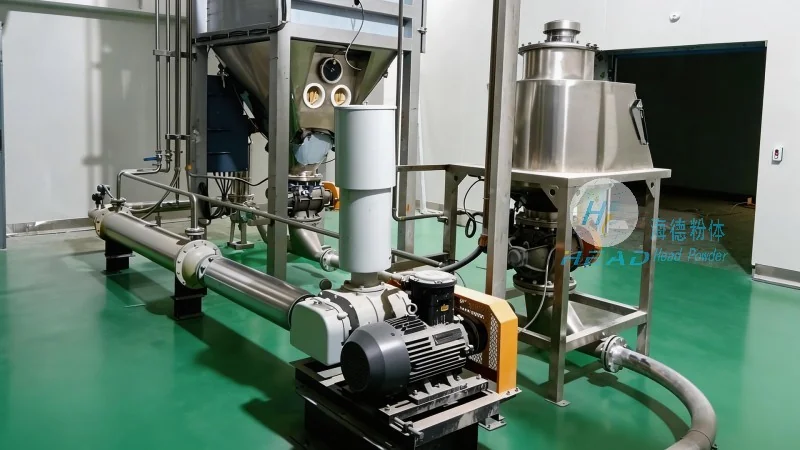
Components and Functionality of an Alumina Powder Conveying Line
An alumina powder conveying line typically consists of several key components that work together to transport the powder. The primary components include a hopper or feeder to store and feed the powder into the system, a conveying pipeline (often made of stainless steel or other corrosion-resistant materials) to transport the powder, a blower or air compressor to provide the necessary air pressure, and a dust collector or filter to remove any airborne particles. The hopper is designed to hold a sufficient quantity of alumina powder and is equipped with a discharge valve to control the flow rate. The feeder may be a rotary valve or a screw conveyor to ensure a consistent and controlled feed of the powder into the pipeline. The conveying pipeline is usually a series of straight and curved sections connected by fittings and valves. The blower or air compressor generates the air pressure needed to move the powder through the pipeline. The air velocity is carefully controlled to ensure the powder is suspended and transported without clogging. The dust collector or filter is positioned at the end of the pipeline to capture any fine particles that may escape, preventing contamination and ensuring compliance with environmental regulations. The system may also include additional components such as a silencer to reduce noise from the blower, a pressure regulator to maintain consistent air pressure, and a control panel to monitor and adjust the system parameters. Each component is designed to work in harmony to achieve the desired conveying efficiency and reliability.
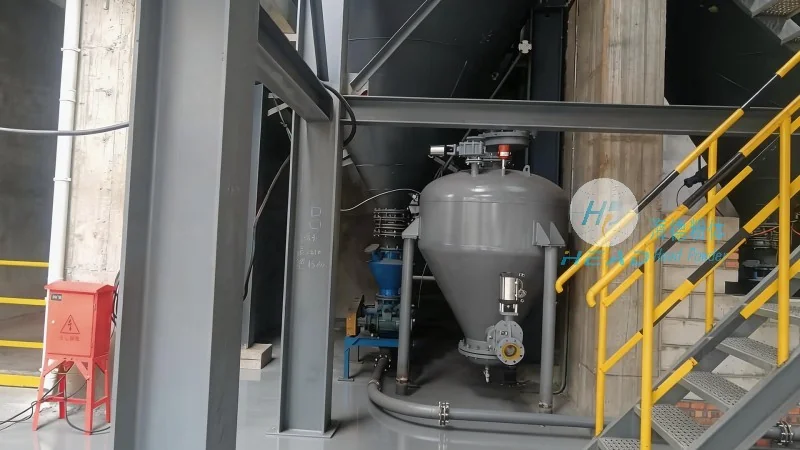
Applications and Benefits of Alumina Powder Conveying Lines
Alumina powder conveying lines are widely used in various industrial applications where high-purity alumina is required. In the ceramics industry, these systems are used to transport alumina powder to the mixing and molding stages of ceramic production. The fine powder is mixed with other raw materials to create ceramic bodies, which are then shaped and fired. In the refractory industry, alumina powder is used to produce refractory bricks and other high-temperature materials. The conveying line ensures that the powder is delivered to the production line in a controlled manner, maintaining the required purity and consistency. In the chemical industry, alumina powder is used as a catalyst or filler in various chemical processes. The conveying line helps in transporting the powder to the reaction vessels or processing units. The benefits of using an alumina powder conveying line include improved productivity, reduced labor costs, and enhanced safety. By automating the powder handling process, the system reduces the need for manual handling, which minimizes the risk of dust exposure and accidents. Additionally, the system ensures consistent flow rates and particle size distribution, leading to higher quality products. The energy efficiency of the system also contributes to cost savings over time. Overall, an alumina powder conveying line is a critical piece of equipment that enhances the efficiency and safety of industrial operations.
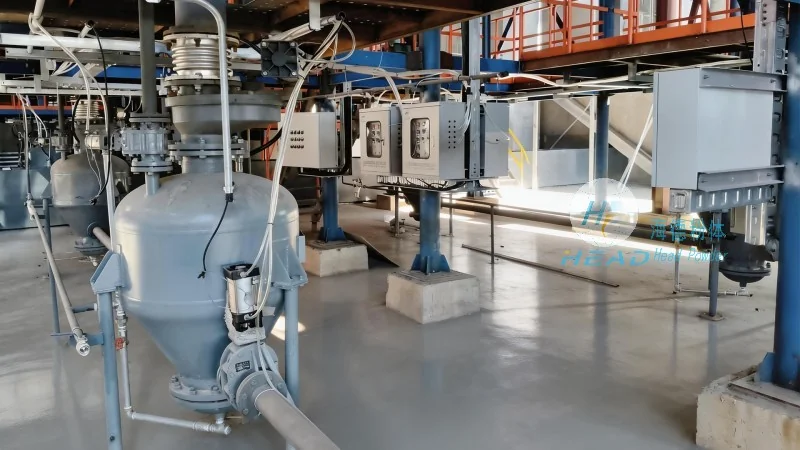
About Shandong HeadPowder Engineering Co., Ltd.
Shandong HeadPowder Engineering Co., Ltd., commonly known as HeadPowder, is a leading manufacturer and supplier of advanced powder handling equipment. The company specializes in designing and manufacturing alumina powder conveying lines and other related systems for various industrial applications. HeadPowder has a team of experienced engineers and technicians who are dedicated to providing high-quality products and services. The company adheres to strict quality control standards to ensure that all products meet the highest industry standards. HeadPowder's alumina powder conveying lines are designed based on the latest technology and engineering principles, ensuring optimal performance and reliability. The company also provides after-sales support, including maintenance, repair, and technical assistance, to ensure that customers get the best value from their investment. HeadPowder is committed to innovation and continuous improvement, constantly developing new technologies and solutions to meet the evolving needs of the industry. With its headquarters in Shandong, China, HeadPowder serves customers worldwide, providing reliable and efficient powder handling solutions.




