For those in the mining industry, understanding the technology behind material handling is crucial. A mine pneumatic conveying system equipment is a specialized solution designed to transport bulk materials like ores, powders, and granules through a pipeline using air pressure. This system is essential for improving operational efficiency and safety in mining operations.
Introduction to Mine Pneumatic Conveying Systems
A mine pneumatic conveying system equipment, often referred to as a pneumatic conveyor, is a method of transporting solid materials through a pipeline by using air as the conveying medium. Unlike traditional mechanical conveyors, which rely on belts or buckets, pneumatic systems use compressed air to move materials, offering advantages such as flexibility, reduced maintenance, and the ability to handle a wide range of materials. The system typically consists of a hopper for material storage, a blower or compressor to generate air pressure, a pipeline network, and a discharge point for the material.
Key Components of a Mine Pneumatic Conveying System
The effectiveness of a mine pneumatic conveying system equipment depends on several key components working in harmony. The primary components include:
1. Material Hopper: This is where raw materials are stored before being fed into the system. The hopper is designed to hold a sufficient quantity of material to ensure continuous operation and prevent interruptions due to material depletion.
2. Air Compressor or Blower: This component generates the necessary air pressure to move the material through the pipeline. The choice between a compressor and a blower depends on the system's requirements, such as the material's characteristics and the desired conveying distance.
3. Pipeline Network: The pipeline is the main conduit for transporting the material. It is typically made of materials like stainless steel or plastic, chosen for their durability and resistance to corrosion from the conveyed materials.
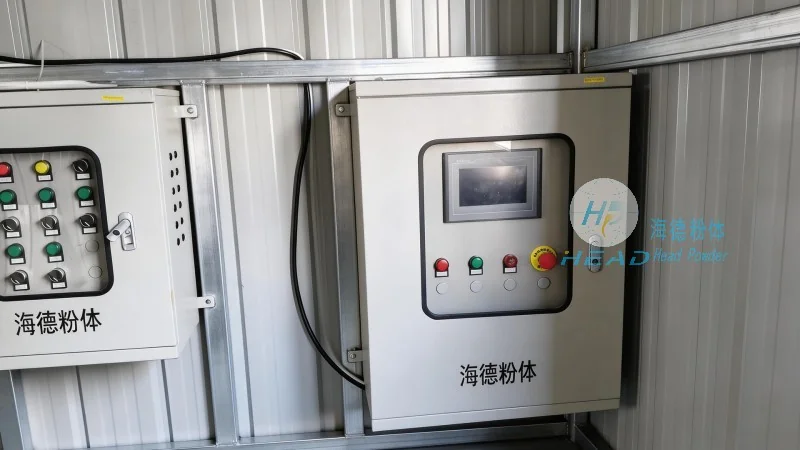
4. Valves and Controls: These components regulate the flow of material and air within the system. They include check valves, flow control valves, and pressure relief valves to ensure safe and efficient operation.
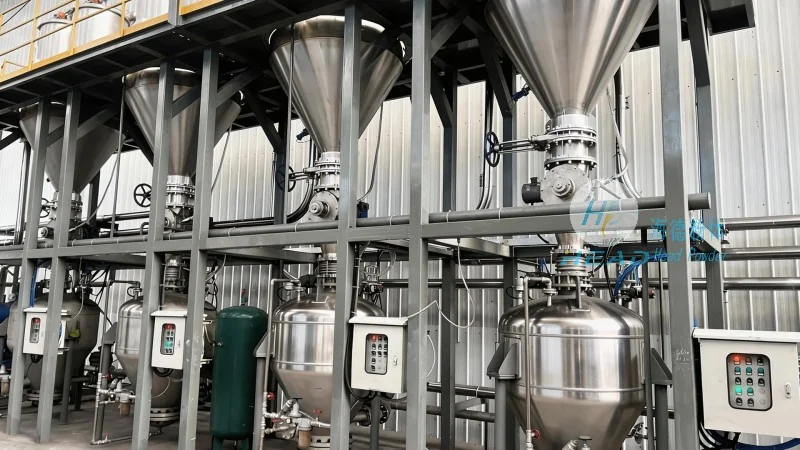
5. Discharge Point: The end of the pipeline where the material is deposited. This can be a storage silo, a processing unit, or another destination within the mining facility.
Design Principles of Mine Pneumatic Conveying Systems
The design of a mine pneumatic conveying system equipment is based on several fundamental principles to ensure optimal performance. The primary design principles include:
1. Material Characteristics: The system's design must consider the physical properties of the material being conveyed, such as particle size, density, moisture content, and abrasiveness. These factors influence the air velocity required and the type of equipment needed.
2. Conveying Distance and Height: The length and elevation change of the pipeline affect the air pressure and power requirements. Longer or higher conveyances may require additional blower capacity or intermediate booster units to maintain material flow.
3. Air Velocity and Pressure: The air velocity within the pipeline must be sufficient to lift and transport the material without causing excessive wear on the pipeline or equipment. The pressure generated by the compressor or blower is critical in maintaining this velocity.
4. System Efficiency: Designing for energy efficiency is a key consideration. This involves optimizing the air flow, minimizing pressure losses, and selecting components that reduce energy consumption while maintaining performance.
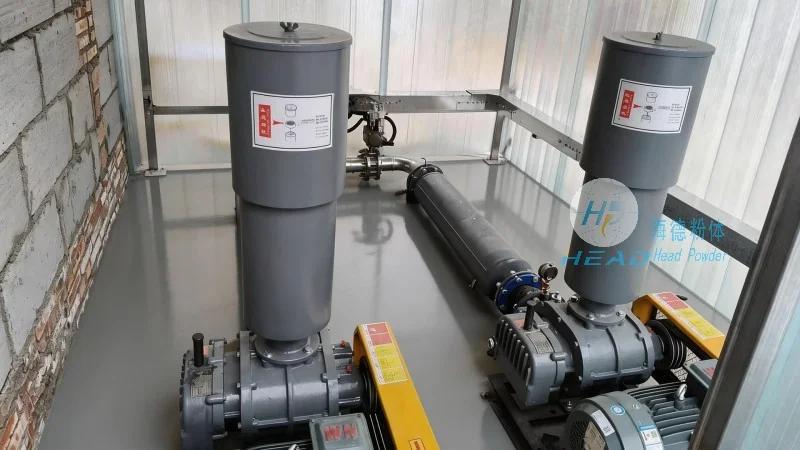
5. Safety and Reliability: The system must be designed with safety in mind, including features like pressure relief valves, emergency shut-off mechanisms, and regular maintenance schedules to ensure reliable operation and prevent accidents.
Applications and Benefits of Mine Pneumatic Conveying Systems
Mine pneumatic conveying systems equipment are widely used in various mining operations for their versatility and efficiency. Some common applications include:
1. Transporting Ores and Minerals: Moving raw ores from mining sites to processing facilities.
2. Handling Powders and Granules: Conveying fine powders like coal dust or mineral powders that are difficult to handle with traditional methods.
3. Industrial Material Handling: Used in other industrial sectors for material transport, such as in chemical or food processing plants.
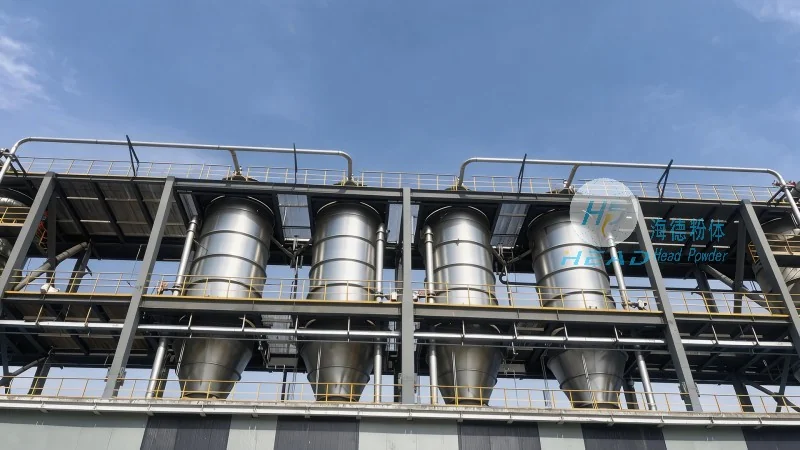
The benefits of using a mine pneumatic conveying system equipment include:
1. Increased Efficiency: Reduced downtime and faster material transport compared to traditional conveyors.
2. Lower Maintenance Costs: Fewer moving parts and less wear and tear, leading to lower maintenance expenses.
3. Improved Safety: Enclosed pipelines prevent dust emissions and reduce the risk of material spills or accidents.
4. Flexibility: The system can be easily reconfigured or expanded to accommodate changes in production needs.
Conclusion
In conclusion, a mine pneumatic conveying system equipment is a vital component in modern mining operations, offering efficient and safe material handling solutions. The design principles, which consider material characteristics, conveying distance, and system efficiency, ensure that these systems operate effectively and reliably. Companies like Shandong HeadPowder Engineering Co., Ltd., based in China, specialize in providing such equipment, helping mining operations enhance their productivity and safety.




