For industrial operations dealing with silica, selecting the right material handling equipment is crucial for efficiency and safety. A key solution in this field is the silica aeropneumatic conveyor, a system designed to transport fine powders like silica through a pneumatic process. This article explores what a silica aeropneumatic conveyor is and delves into its core design principles, highlighting how these principles ensure effective and reliable material transport.
Introduction to Silica Aeropneumatic Conveyors
Silica, commonly known as silicon dioxide (SiO₂), is a widely used material in various industries, including construction, glass manufacturing, and pharmaceuticals. Handling silica in its powdered form requires specialized equipment to avoid dust dispersion and ensure consistent flow. The silica aeropneumatic conveyor addresses these challenges by utilizing air pressure to move the material through a pipeline system. This method is particularly effective for transporting fine powders over moderate distances, offering a dust-free and energy-efficient solution compared to traditional mechanical conveyors.
Key Components of a Silica Aeropneumatic Conveyor System
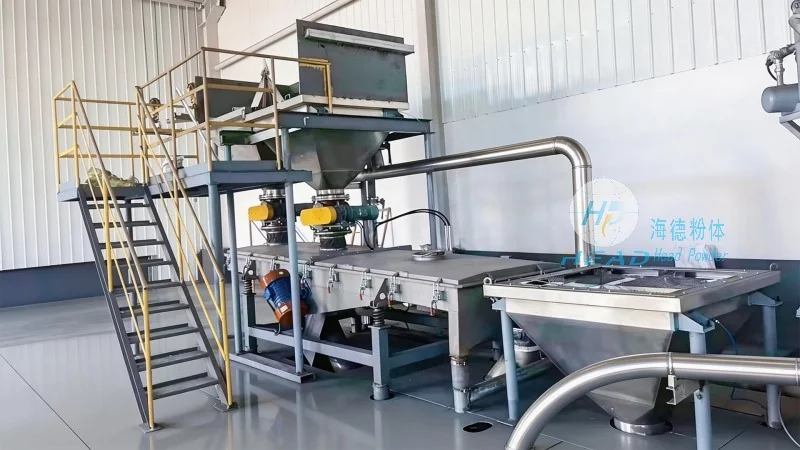
The silica aeropneumatic conveyor system consists of several critical components that work in tandem to achieve efficient material transport. These components include the hopper, which serves as the feeding device to introduce the silica powder into the system; the air compressor, which generates the necessary air pressure to move the material; the pipeline network, which forms the path for the material and air; and the discharge unit, which collects the transported silica at the destination. Each component is designed to handle the specific characteristics of silica, such as its fine particle size and potential for static electricity, ensuring smooth operation and preventing material loss or blockages.
Design Principles Behind Silica Aeropneumatic Conveyors
The design of a silica aeropneumatic conveyor is guided by several fundamental principles that optimize performance and reliability. One of the primary principles is the use of air velocity to maintain the material in suspension. The air velocity must be sufficient to keep the silica particles airborne but not so high as to cause excessive energy consumption or wear on the system components. This balance is achieved through careful calculation of the material's bulk density and particle size, ensuring that the air flow rate is precisely matched to the material's characteristics.
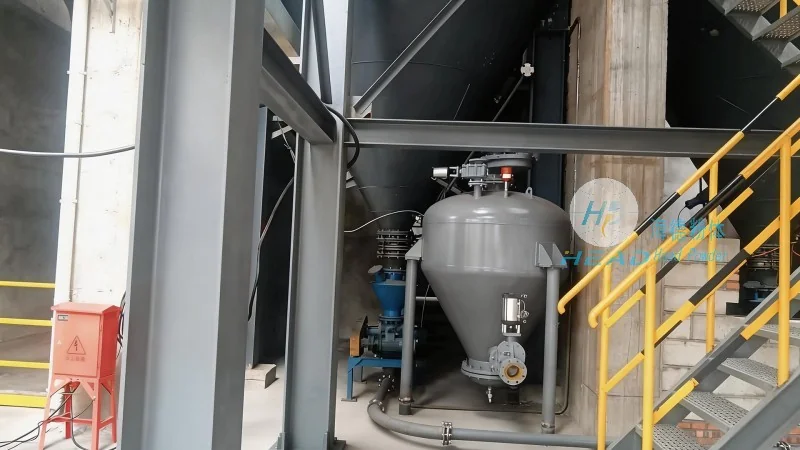
Another critical design principle is the consideration of pressure drop. As the silica travels through the pipeline, friction between the particles and the pipe walls causes a pressure drop. Engineers must account for this drop to ensure that the air compressor provides enough pressure to maintain the material's suspension throughout the entire conveying distance. Proper sizing of the pipeline diameter and the use of smooth, non-porous materials for the pipe help minimize pressure loss and extend the system's operational life.
Advantages of Using a Silica Aeropneumatic Conveyor
Implementing a silica aeropneumatic conveyor offers numerous advantages for industrial applications. One of the most significant benefits is the elimination of dust and contamination, as the material is contained within the pipeline system. This not only improves workplace safety by reducing respiratory hazards but also maintains the purity of the silica, which is essential for applications in pharmaceuticals and food processing. Additionally, the system is energy-efficient compared to mechanical conveyors, as it uses compressed air rather than mechanical components like belts or chains. This results in lower operational costs and reduced maintenance requirements over time.
Furthermore, the flexibility of the aeropneumatic conveyor allows for easy integration into existing industrial setups. The pipeline system can be customized to fit the layout of a facility, enabling the transport of silica from multiple sources to various destinations without the need for complex reconfiguration. This adaptability makes the system suitable for both new installations and retrofits in existing plants, providing a versatile solution for material handling needs.
Applications in Silica Processing
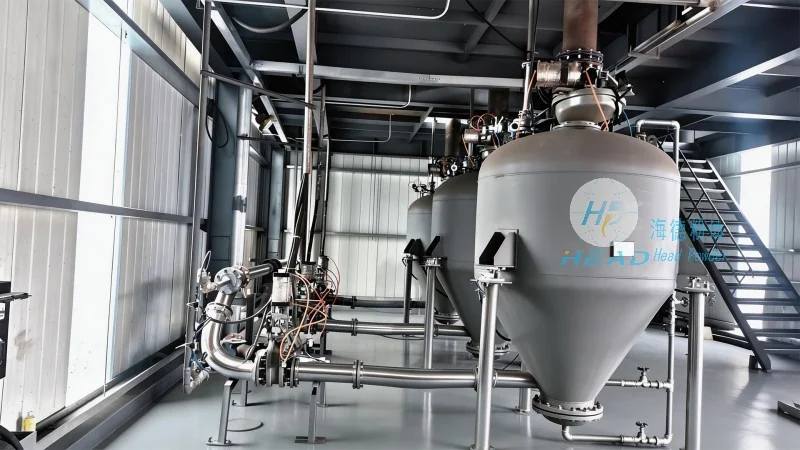
Silica aeropneumatic conveyors are widely used in the processing of silica in various industries. In the glass manufacturing industry, for example, silica is transported from storage silos to the melting furnaces, where it is mixed with other raw materials to produce glass. The conveyor ensures a consistent supply of silica, maintaining the quality and efficiency of the glass production process. In the construction industry, silica is used as a filler in concrete and mortar, and the conveyor facilitates its transport from storage to mixing sites, improving workflow and reducing labor costs.
In the pharmaceutical and food industries, where the purity of silica is critical, the dust-free nature of the aeropneumatic system is particularly valuable. The enclosed pipeline prevents contamination from external sources, ensuring that the silica remains free from impurities. This is essential for applications such as the production of silica-based excipients in pharmaceuticals or the use of silica as a filter aid in food processing. The reliability of the system also minimizes downtime, as it is less prone to blockages and maintenance issues compared to traditional mechanical conveyors.
Conclusion
In conclusion, the silica aeropneumatic conveyor is a sophisticated and efficient solution for transporting fine silica powders in industrial settings. Its design, based on principles of air suspension and pressure management, ensures reliable and safe material handling. By eliminating dust and providing energy efficiency, this system offers significant advantages over traditional methods. For companies dealing with silica, investing in a properly designed and maintained silica aeropneumatic conveyor can enhance operational efficiency, improve workplace safety, and reduce long-term costs. As the demand for high-quality silica products continues to grow, the role of such advanced material handling systems becomes increasingly important in meeting industry standards and customer expectations.




