Wood powder pneumatic conveying systems are industrial equipment designed to transport wood-based powders or fine particles through a pipeline using air or gas as the conveying medium. These systems are essential in various industries, including woodworking, paper manufacturing, and biomass processing, where the efficient and reliable movement of wood powders is critical for production processes. Developed by Shandong HeadPowder Engineering Co., Ltd. (headpowder), a leading manufacturer in China, these systems are engineered to meet the unique challenges of handling wood powders and ensure optimal performance in demanding industrial environments.
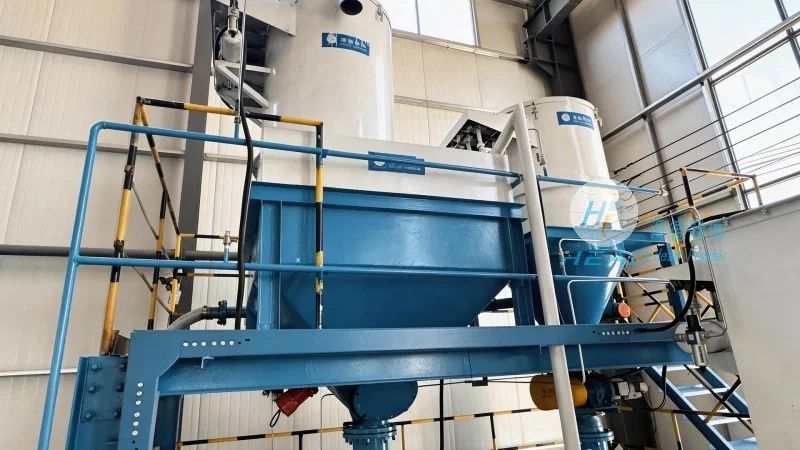
Introduction to Wood Powder Pneumatic Conveying Systems
Wood powder, often derived from sawdust, wood chips, or other processed wood materials, presents unique challenges for material handling due to its fine particle size and potential for static electricity. Traditional methods like belt conveyors or screw conveyors may not be suitable for wood powders as they can cause particle agglomeration, blockages, or increased friction, leading to equipment wear and reduced efficiency. Pneumatic conveying systems offer a solution by utilizing air pressure to move the material through a sealed pipeline, minimizing direct contact with the conveying equipment and reducing the risk of contamination or degradation.
Design Principles of Pneumatic Conveying Systems
The design of a wood powder pneumatic conveying system is based on several key principles to ensure effective operation. First, the system must be capable of generating sufficient air pressure or vacuum to move the wood powder through the pipeline. This is typically achieved using positive pressure systems, where air is forced into the pipeline, or negative pressure systems, where air is drawn out of the pipeline. The choice between positive and negative pressure depends on factors such as the distance to be covered, the height of the conveying line, and the material characteristics of the wood powder.
Second, the system design must consider the particle size distribution and flow properties of the wood powder. Wood powders can vary significantly in particle size, from fine dust to coarse particles, and this affects the air velocity required for stable conveying. Engineers must calculate the appropriate air velocity to prevent particle deposition or blockages while minimizing energy consumption. The system may include components like airlocks, cyclones, and filters to control the flow and separate the conveyed material from the air.
Key Components and Their Functions
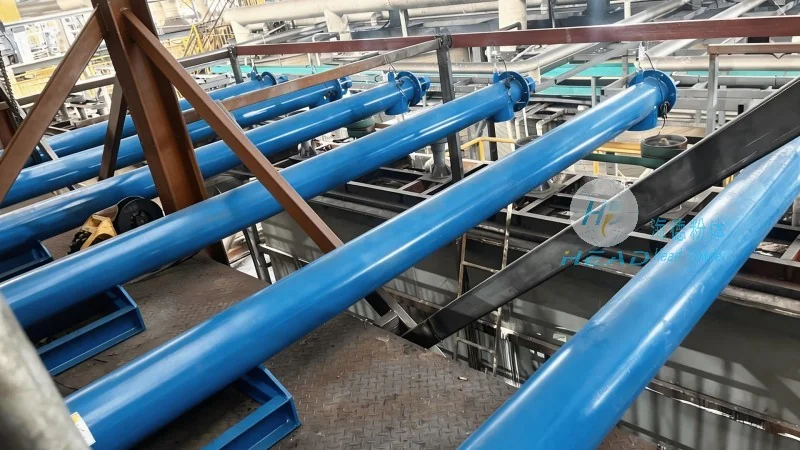
A typical wood powder pneumatic conveying system consists of several key components, each playing a crucial role in the overall operation. The main components include a material feed hopper, an air supply unit (such as a blower or compressor), a conveying pipeline, and a discharge unit. The material feed hopper is designed to store and feed the wood powder into the system at a controlled rate, preventing overloading and ensuring a consistent flow. The air supply unit generates the necessary pressure or vacuum to move the material through the pipeline. The conveying pipeline is typically made of materials resistant to wood powder corrosion and abrasion, such as stainless steel or plastic, to ensure durability and prevent particle buildup.
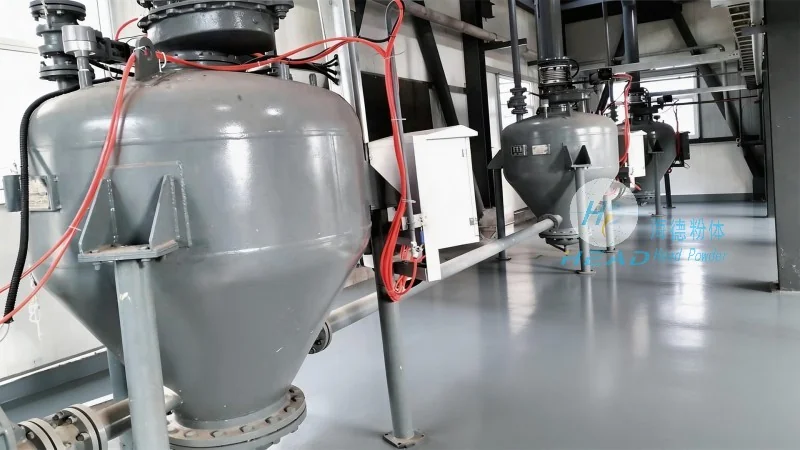
The discharge unit, often an airlock or a cyclone separator, is responsible for separating the wood powder from the air at the end of the conveying line. The airlock prevents the backflow of air into the system while allowing the material to be discharged into a collection bin or processing unit. The cyclone separator uses centrifugal force to separate the particles from the air, with the separated powder collected in a hopper and the clean air discharged to the atmosphere or recirculated. Additional components may include filters to remove fine particles from the air, ensuring compliance with environmental regulations and protecting downstream equipment from contamination.
Working Principle of Pneumatic Conveying
The working principle of a wood powder pneumatic conveying system involves the creation of a flow of air within the pipeline that transports the wood powder particles. In a positive pressure system, the blower pushes air into the pipeline, and the wood powder is introduced into the air stream at the feed hopper. The air velocity is maintained above the minimum conveying velocity required to keep the particles suspended and moving through the pipeline. As the air and powder mixture travels through the pipeline, it may encounter changes in direction or elevation, which are accommodated by the design of the pipeline and the inclusion of bends, elbows, and vertical sections with appropriate dimensions to prevent particle deposition.
In a negative pressure system, a vacuum pump or fan creates a low-pressure environment at the discharge end, drawing the air and wood powder mixture into the pipeline from the feed hopper. The air flow is directed through the pipeline, carrying the particles to the discharge point. Both systems rely on the principle of fluidization, where the air flow creates a fluid-like environment for the particles, allowing them to move smoothly through the pipeline without sticking to the walls or each other.
Advantages of Wood Powder Pneumatic Conveying Systems
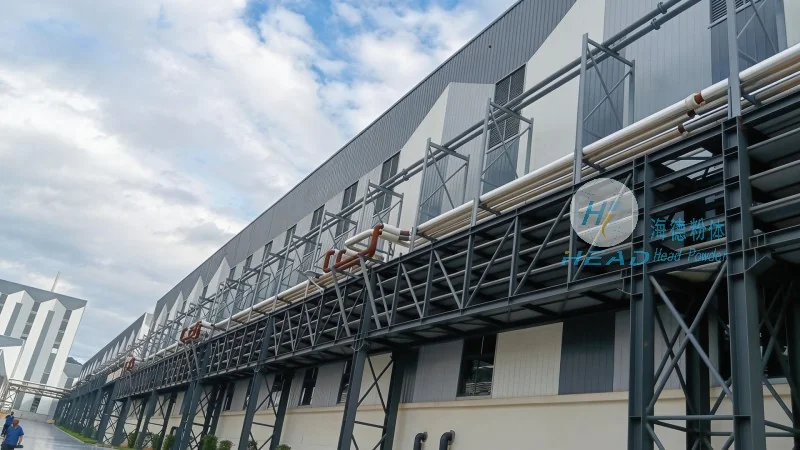
Wood powder pneumatic conveying systems offer several advantages over traditional material handling methods. One of the primary benefits is the ability to transport wood powders over long distances and at varying elevations without the need for multiple transfer points or equipment. This reduces the overall footprint of the system and minimizes the risk of material spillage or contamination. Additionally, pneumatic conveying systems are highly flexible, allowing for changes in the conveying route or material flow without major modifications to the equipment.
Another advantage is the reduced risk of particle degradation and contamination. Since the material is conveyed in a sealed pipeline, it is protected from external contaminants, moisture, and dust, which can affect the quality of the wood powder. This is particularly important in industries where the wood powder is used for high-value applications, such as in the production of wood-based composites or biofuels. The system also minimizes the risk of dust explosions by containing the material within the pipeline and using appropriate explosion-proof designs for the air supply units.
Energy efficiency is another key advantage of pneumatic conveying systems. While the initial investment may be higher than traditional methods, the long-term operational costs are often lower due to reduced maintenance and lower energy consumption. The system can be optimized to use the minimum amount of air required for stable conveying, minimizing energy waste and lowering operational costs. Furthermore, the use of positive pressure systems allows for the integration of multiple conveying lines from a single air supply unit, increasing the overall efficiency of the system.
Applications and Industries
Wood powder pneumatic conveying systems are widely used in various industries that process wood-based materials. In the woodworking industry, these systems are used to transport sawdust, wood chips, and other fine particles from the cutting and processing stages to storage or further processing units. This is particularly important in large-scale woodworking operations where the volume of wood powders is high and the need for efficient material handling is critical.
In the paper manufacturing industry, wood powder is used as a raw material for producing paper and paperboard. Pneumatic conveying systems are used to transport wood pulp or wood chips from storage to the papermaking machines, ensuring a consistent and continuous supply of material. The systems are designed to handle the high moisture content of wood pulp and maintain the quality of the material during transport.
In the biomass processing industry, wood powder is used as a fuel source for power generation or as a raw material for biofuel production. Pneumatic conveying systems are used to transport the wood powder from storage to the combustion or processing units, ensuring a reliable and efficient supply of fuel. The systems are designed to handle the high temperature and pressure conditions of biomass processing and maintain the quality of the wood powder.
Considerations for Design and Installation
When designing and installing a wood powder pneumatic conveying system, several factors must be considered to ensure optimal performance and longevity. First, the system must be designed to handle the specific characteristics of the wood powder, including particle size, moisture content, and flow properties. The design must account for the potential for static electricity, which can cause particle buildup and blockages in the pipeline. This is typically addressed by incorporating anti-static materials or using grounding systems to dissipate the charge.




