PTFE (Polytetrafluoroethylene) pneumatic conveying systems are advanced industrial solutions designed to transport bulk materials through a pressurized air stream. These systems are widely used in various industries, including pharmaceuticals, food processing, and chemical manufacturing, due to their ability to handle sensitive or abrasive materials with minimal product degradation. The design of such systems is critical to ensure efficient, reliable, and safe material transport, and understanding the underlying principles is essential for optimizing performance and meeting operational requirements.
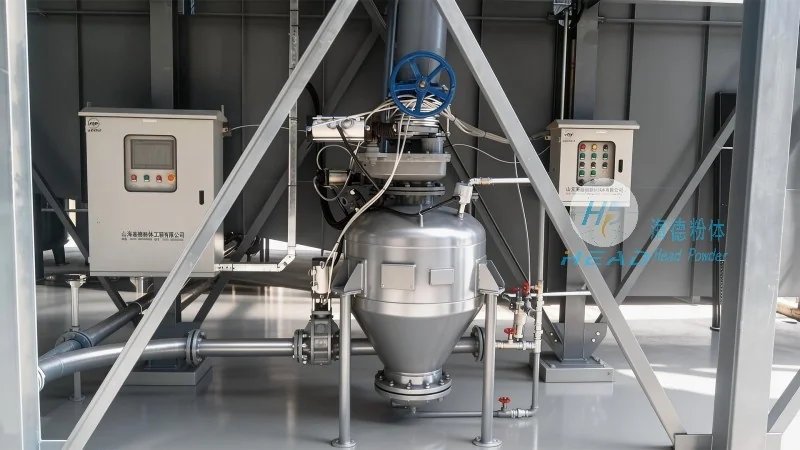
Understanding PTFE Pneumatic Conveying Systems
A PTFE pneumatic conveying system typically consists of several key components, including a material hopper, a conveyor line, a pressure vessel or receiver, and a control system. The material is fed from the hopper into the conveyor line, where it is carried by a high-velocity air stream. The PTFE material, known for its non-stick and chemically inert properties, is often used for the internal surfaces of the conveyor line and other components to prevent material buildup and ensure smooth flow. This design choice is particularly important for handling materials that are prone to caking or adhering to surfaces, as PTFE's low friction coefficient minimizes product loss and contamination.
Core Design Principles of PTFE Pneumatic Conveying Systems
The fundamental design principles of PTFE pneumatic conveying systems revolve around maintaining consistent air pressure, controlling material flow rates, and ensuring proper separation of material from the air stream. The system operates by creating a pressure differential between the hopper and the receiver, which drives the material through the conveyor line. The air velocity is carefully regulated to ensure that the material particles are fully entrained by the air stream, preventing blockages and ensuring uniform transport. Additionally, the system incorporates features like cyclones or filters to separate the material from the air, allowing for recycling of the air or disposal of the material as needed.
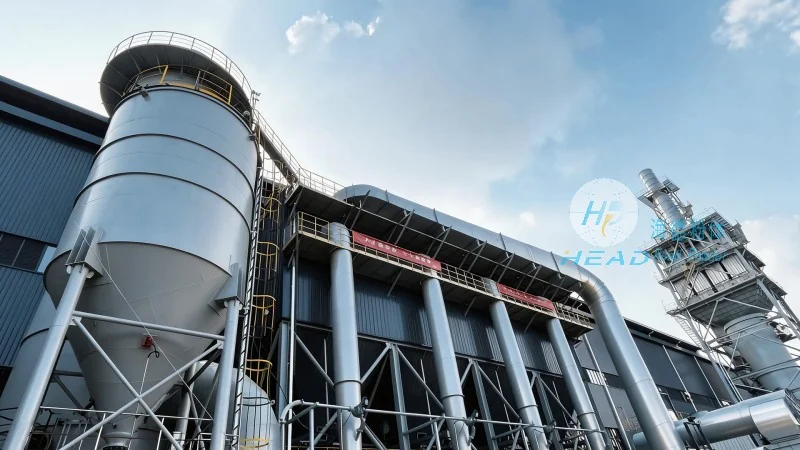
Advantages of PTFE in Pneumatic Conveying
PTFE's unique properties make it an ideal choice for the internal components of pneumatic conveying systems. Its chemical resistance allows it to withstand exposure to a wide range of substances, including acids, bases, and solvents, without degradation. The non-stick surface reduces friction, which in turn lowers energy consumption and extends the lifespan of the system. Furthermore, PTFE's thermal stability ensures that the system can operate effectively in a variety of temperature conditions, from low to high temperatures, without compromising performance. These advantages contribute to the overall efficiency and reliability of PTFE pneumatic conveying systems, making them a preferred solution for industries dealing with sensitive or challenging materials.
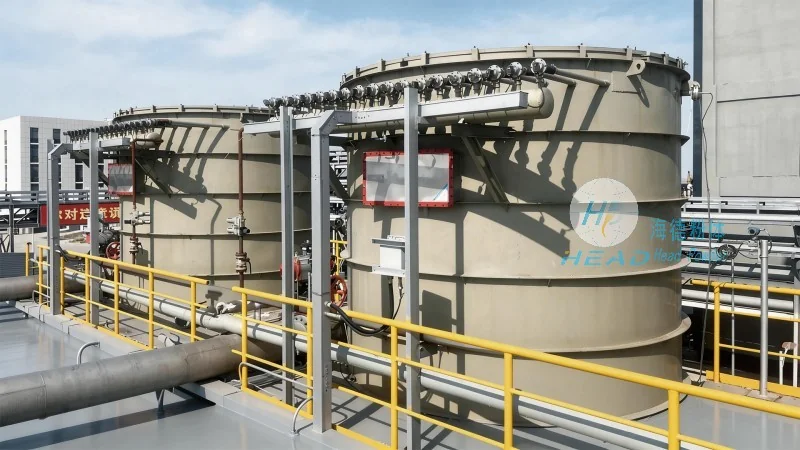
Applications and Industries
PTFE pneumatic conveying systems are employed in a diverse range of applications across multiple industries. In the pharmaceutical sector, they are used to transport active pharmaceutical ingredients (APIs) and other sensitive powders, where contamination and product degradation must be strictly avoided. The food processing industry utilizes these systems for handling dry ingredients like spices, flour, and sugar, ensuring that the materials remain free from moisture and microbial contamination. The chemical manufacturing industry benefits from PTFE systems when handling corrosive or abrasive powders, as the material's resistance to chemical attack and wear ensures long-term operational integrity. These applications highlight the versatility and effectiveness of PTFE pneumatic conveying systems in meeting the specific demands of various industrial processes.
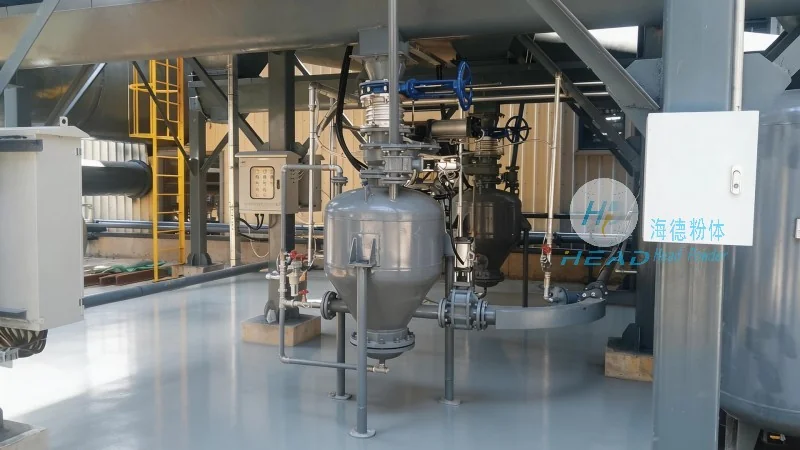
Key Considerations in System Design
When designing a PTFE pneumatic conveying system, several factors must be carefully considered to ensure optimal performance. The first is the selection of appropriate PTFE materials for the conveyor line and other components, as different grades of PTFE offer varying levels of chemical resistance and wear resistance. The system's air pressure and velocity must be matched to the characteristics of the material being conveyed, such as particle size, density, and flowability. Additionally, the system's capacity and scale must be tailored to the production requirements of the facility, ensuring that it can handle the required volume of material without bottlenecks or inefficiencies. Proper maintenance and regular inspection of the system are also critical to maintaining its performance and extending its operational life.
Conclusion
PTFE pneumatic conveying systems represent a sophisticated and effective solution for the transport of bulk materials in various industrial applications. Their design, centered on the use of PTFE for internal components and the principles of maintaining consistent air pressure and material flow, ensures high efficiency, reliability, and minimal product degradation. As industries continue to demand more precise and efficient material handling solutions, PTFE pneumatic conveying systems remain a top choice due to their ability to handle sensitive and challenging materials while maintaining operational integrity. The expertise of companies like Shandong HeadPowder Engineering Co., Ltd., with its location in Shandong, China, plays a crucial role in the design, manufacturing, and implementation of these advanced systems, providing industries with reliable and effective solutions for their material transport needs.




