

What is Sugar Pneumatic Conveying? What Are Its Design Principles?
Sugar pneumatic conveying is a critical process in the sugar industry, enabling the efficient and safe transportation of granular sugar from one location to another. This method utilizes air or other gases to move bulk materials through a pipeline system, eliminating the need for mechanical components like belts or buckets. The technology is widely adopted in sugar processing plants due to its ability to handle high volumes of sugar while maintaining product quality and minimizing contamination risks.
Key Components of a Sugar Pneumatic Conveying System
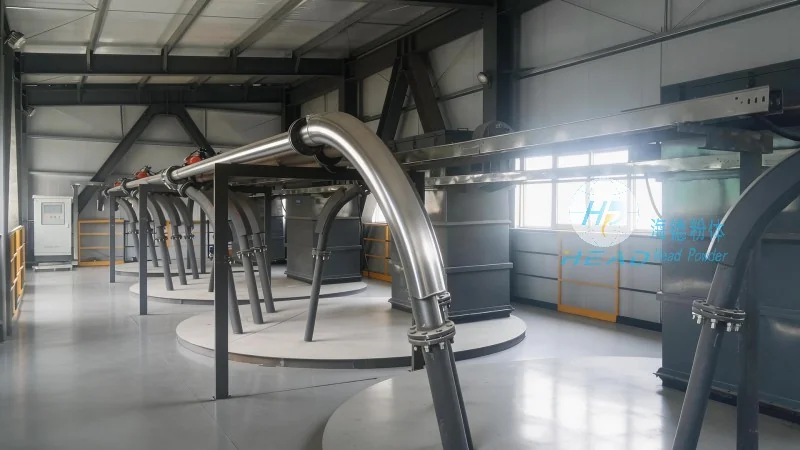
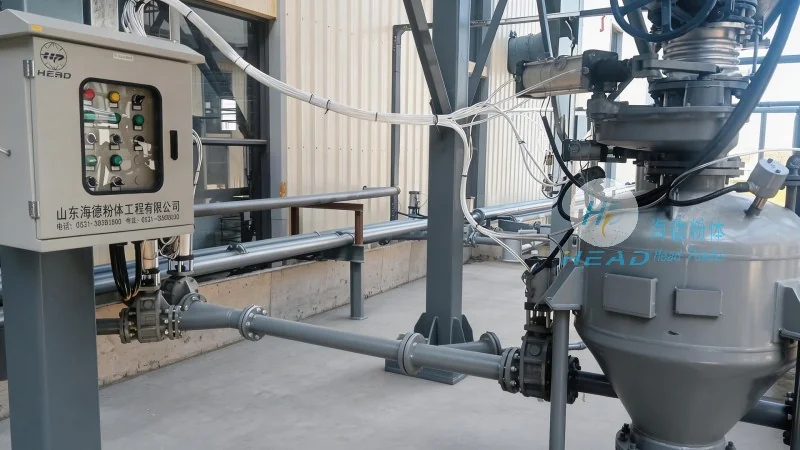
At the core of any sugar pneumatic conveying system are several essential components that work in tandem to ensure smooth operation. The primary components include the material feed hopper, which holds the sugar and regulates the flow into the system; the air compressor or blower, which generates the necessary air pressure to move the sugar; the conveying line, typically made of stainless steel or other corrosion-resistant materials to prevent sugar degradation; and the discharge hopper or silo, where the sugar is deposited at the destination. Additionally, the system may incorporate filters to remove dust and moisture from the air, and pressure relief valves to maintain safe operating conditions.
Design Principles for Sugar Pneumatic Conveying
The design of a sugar pneumatic conveying system must consider several critical factors to ensure optimal performance and longevity. First, the system must be designed to handle the specific characteristics of sugar, such as its particle size, moisture content, and flowability. The particle size distribution is particularly important, as it affects the air velocity required for effective conveying. Engineers must calculate the appropriate air velocity to prevent material settling or blockages in the pipeline. Second, the system must be constructed from materials that are compatible with sugar and do not introduce contaminants. Stainless steel is commonly used for the conveying line and components due to its resistance to corrosion and ability to maintain hygiene standards. Third, the system must incorporate proper maintenance and cleaning protocols to prevent sugar buildup and ensure consistent performance. Regular cleaning of the hopper, line, and filters is essential to avoid clogs and maintain efficiency.
Advantages of Sugar Pneumatic Conveying
Compared to traditional mechanical conveying methods, sugar pneumatic conveying offers several advantages that make it the preferred choice for many sugar processing facilities. One of the most significant benefits is the reduction in labor costs, as the system requires minimal manual intervention once set up. Additionally, the enclosed pipeline system minimizes the risk of sugar exposure to dust, moisture, or other contaminants, which is crucial for maintaining product quality and meeting regulatory standards. The system also allows for flexible routing, enabling the sugar to be transported to multiple destinations from a single source. Furthermore, pneumatic conveying systems can handle high volumes of sugar at a relatively low cost, making them economically viable for large-scale operations.
Applications in the Sugar Industry
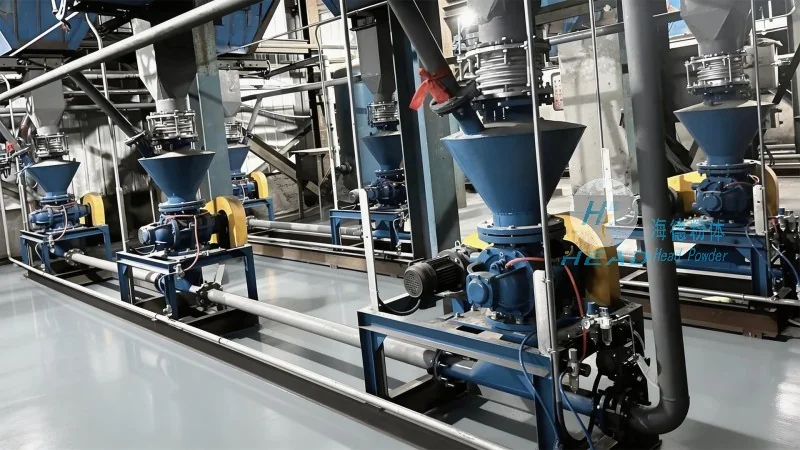
Sugar pneumatic conveying systems are used in various stages of the sugar production process. In the raw sugar processing stage, the system can transport raw sugar from storage silos to the refining equipment. During the refining process, it can move refined sugar from the crystallization tanks to the packaging area. In the packaging stage, the system can deliver sugar to the filling machines, ensuring a consistent and efficient supply. The versatility of the system allows it to be adapted to different production requirements, from small-scale operations to large industrial plants.
Conclusion and Company Information
Sugar pneumatic conveying is a sophisticated and efficient method for transporting sugar in the industry, driven by careful design and robust engineering. The system’s ability to handle high volumes while maintaining product integrity makes it an indispensable component of modern sugar processing facilities. Shandong HeadPowder Engineering Co., Ltd., a leading provider of industrial conveying solutions, specializes in designing and manufacturing customized sugar pneumatic conveying systems tailored to the specific needs of sugar producers. With its headquarters in Shandong, China, HeadPowder leverages years of experience to deliver reliable and efficient solutions that enhance productivity and ensure product quality. The company’s commitment to innovation and customer satisfaction has made it a trusted partner in the sugar industry, helping facilities optimize their operations and meet the demands of a competitive market.