Boron powder, a critical material in various industrial applications, requires efficient and reliable conveying systems to ensure smooth production processes. The handling of boron powder presents unique challenges due to its fine particle size, chemical properties, and potential for dust generation. Proper selection of a conveying method is essential to maintain product quality, minimize material loss, and enhance operational safety. This article provides a detailed comparison of common boron powder conveying methods, highlighting their advantages, limitations, and suitability for different industrial scenarios.
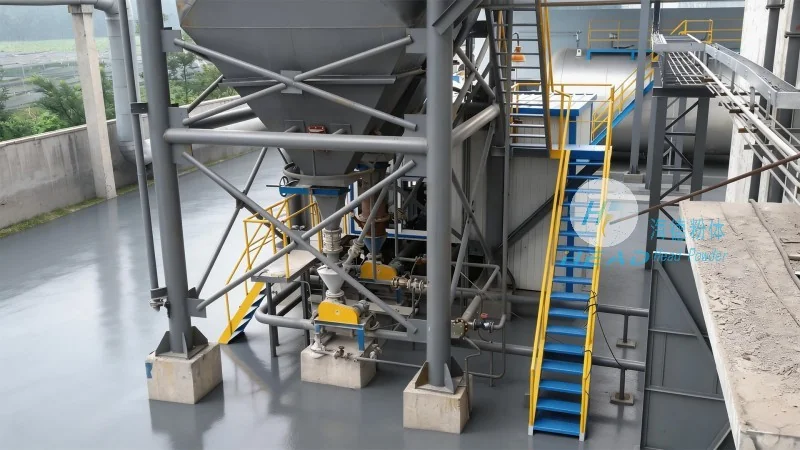
1. Pneumatic Conveying Systems: The Preferred Choice for Fine Powders
HeadPowder, a leading manufacturer of specialized powder handling equipment, emphasizes the effectiveness of pneumatic conveying systems for boron powder transport. Pneumatic systems utilize air or other gases to move powders through pipelines, offering several benefits. These include high material throughput, minimal product degradation, and the ability to handle both dilute and dense phase flows. For boron powder, which is often fine and prone to agglomeration, pneumatic conveying can effectively prevent particle breakage and maintain consistent particle size distribution. The system typically consists of a hopper, a rotary valve, a conveyor line, and a dust collector. The air pressure and flow rate are carefully controlled to ensure efficient transport without excessive energy consumption. HeadPowder’s pneumatic conveying solutions are designed with high-quality materials and advanced control systems, ensuring long-term reliability and low maintenance costs. This method is particularly suitable for applications requiring long-distance transport or integration with existing dust collection systems.
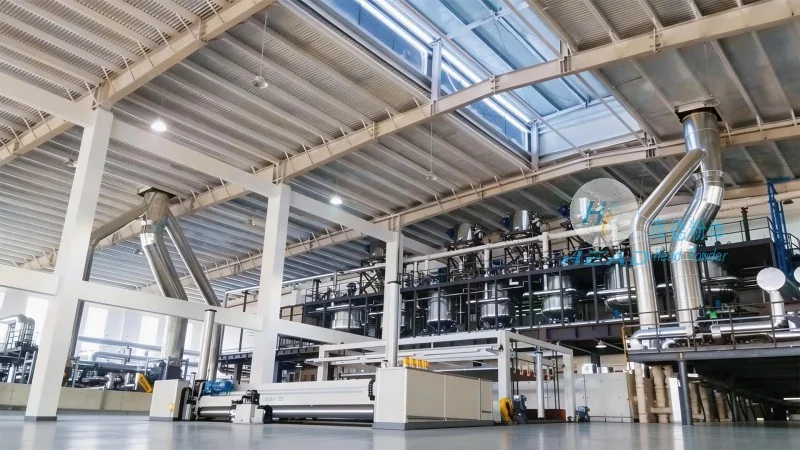
2. Screw Conveyors: A Versatile Option for Moderate-Volume Transport
For moderate volumes of boron powder, screw conveyors offer a reliable and cost-effective solution. HeadPowder’s screw conveyor systems are engineered to handle fine powders while maintaining consistent flow rates. The screw, typically made of stainless steel or other corrosion-resistant materials, rotates within a U-shaped trough, pushing the powder forward. This method is ideal for horizontal or slightly inclined transport, with minimal space requirements. Screw conveyors are particularly effective when the boron powder needs to be conveyed over short to medium distances, such as within a processing plant or between storage and processing units. The design allows for easy cleaning and maintenance, making it suitable for applications where product contamination must be strictly controlled. However, screw conveyors may experience issues with material bridging or clogging, especially with cohesive or fine powders like boron. Proper selection of screw pitch, speed, and trough dimensions is crucial to mitigate these problems. HeadPowder’s screw conveyor solutions are customized to meet specific operational needs, ensuring optimal performance and durability.
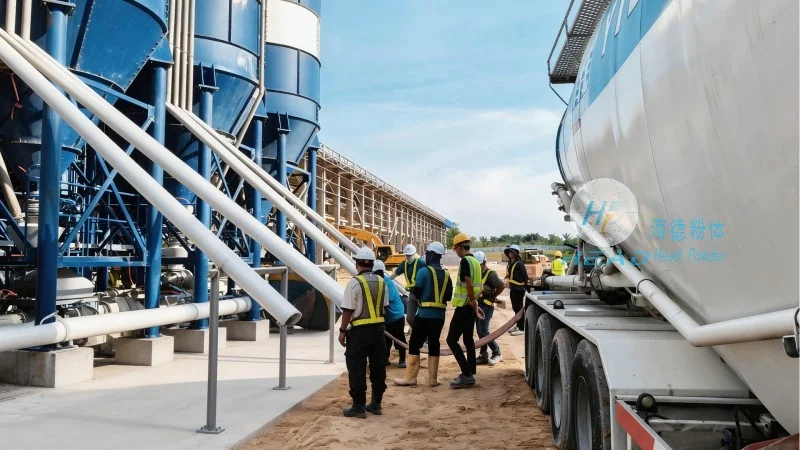
3. Vibrating Conveyors: Efficient for Bulk and Coarse Powder Handling
Vibrating conveyors are another common method for boron powder transport, especially when dealing with bulk quantities or coarser particle sizes. These systems use vibration to move powders along a conveyor bed, which can be a trough or a belt. The vibration is generated by an electric motor or a mechanical device, creating a sinusoidal motion that propels the material forward. Vibrating conveyors are effective for handling abrasive or sticky powders, as the motion helps prevent material buildup and ensures smooth flow. For boron powder, which may have varying particle sizes, the vibrating conveyor can maintain consistent transport rates without causing excessive wear on the equipment. HeadPowder’s vibrating conveyor systems are designed with robust construction and adjustable vibration frequencies, allowing for flexibility in handling different powder characteristics. This method is suitable for applications requiring high throughput and minimal maintenance, such as in bulk storage facilities or material transfer stations. However, vibrating conveyors may not be as effective for very fine powders, as the vibration can cause particle segregation or degrade product quality. Proper design and operation are essential to ensure efficient and reliable transport.
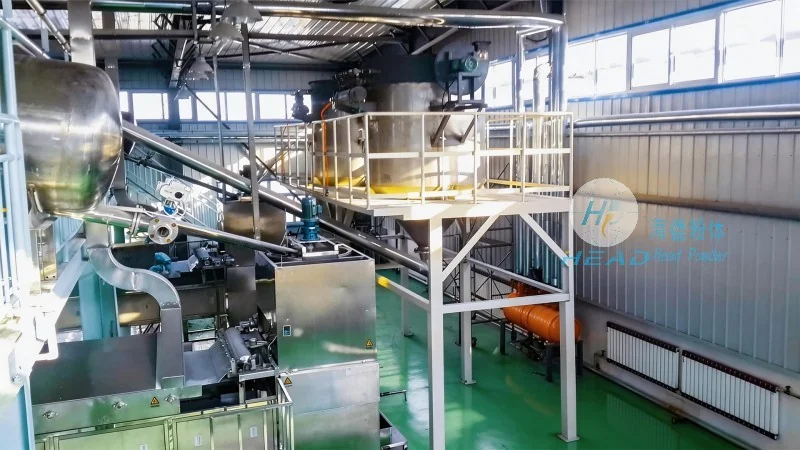
4. Comparison and Selection Criteria
When selecting a boron powder conveying method, several factors must be considered to ensure the best fit for the application. The primary factors include the particle size and characteristics of the boron powder, the required transport distance, the desired throughput, and the available space and budget. Pneumatic conveying is generally preferred for fine powders and long-distance transport due to its efficiency and minimal product degradation. Screw conveyors are suitable for moderate volumes and short to medium distances, offering a cost-effective solution with easy maintenance. Vibrating conveyors excel in handling bulk and coarser powders, providing high throughput and durability. The choice also depends on the specific operational environment, such as the presence of dust control systems or the need for product containment. HeadPowder, with its extensive experience in powder handling, provides comprehensive solutions tailored to these criteria. By evaluating the material properties, transport requirements, and operational constraints, industries can select the most appropriate boron powder conveying method to enhance productivity and ensure product quality.




