Battery anode materials are crucial components in modern energy storage systems, and their efficient transport is essential for the entire production and supply chain. The choice of transport method directly impacts operational efficiency, material integrity, and overall cost-effectiveness. In this article, we explore the various methods available for transporting battery anode materials, with a focus on practical applications and industry standards.
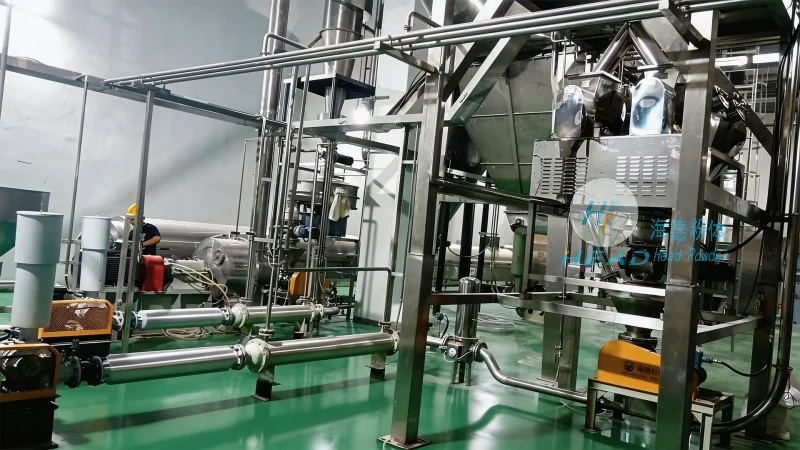
Key Considerations for Selecting Transport Methods
When selecting a transport method for battery anode materials, several factors must be considered. These include the physical properties of the material (such as particle size, moisture sensitivity, and dust generation), the scale of the operation (batch vs. continuous), and the distance to be covered. Additionally, regulatory requirements, environmental considerations, and the need for contamination control are critical. By evaluating these factors, companies can choose the most suitable transport solution for their specific needs.
Common Transport Methods for Battery Anode Materials
Several methods are commonly used for transporting battery anode materials, each with its own advantages and limitations. The primary methods include bulk handling systems, pneumatic conveying, and specialized containers. Each method is designed to address different operational requirements and material characteristics.
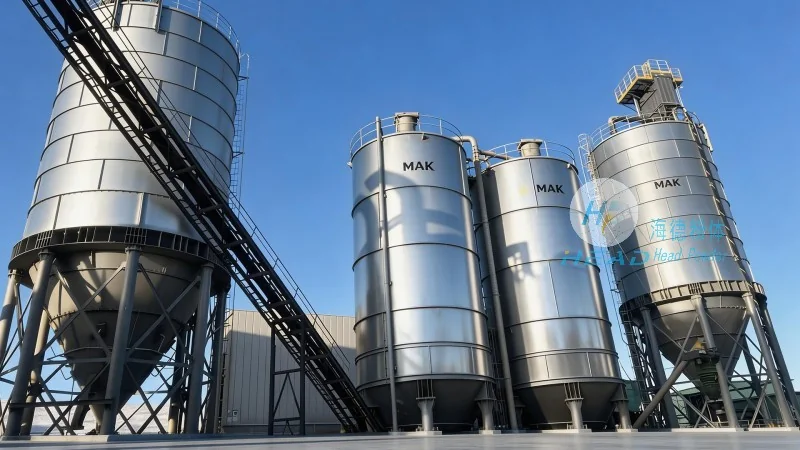
Bulk Handling Systems
Bulk handling systems are widely used for large-scale transport of battery anode materials. These systems typically involve the use of silos, hoppers, and conveyor belts to move materials from storage to processing equipment. The process often involves gravity or mechanical conveyors to ensure smooth and continuous flow. Bulk handling is particularly effective for materials that are non-abrasive and can be stored in bulk quantities. Companies like Shandong HeadPowder Engineering Co., Ltd. specialize in designing and implementing such systems, ensuring that materials are transported safely and efficiently. The company’s expertise in material handling technology helps in optimizing the transport process, reducing downtime, and maintaining material quality.
Pneumatic Conveying
Pneumatic conveying is another popular method for transporting battery anode materials, especially for materials that are fine or have a tendency to generate dust. This method uses air pressure to move materials through a pipeline system. There are two main types of pneumatic conveying: pressure and vacuum. Pressure systems use compressed air to push materials forward, while vacuum systems use suction to draw materials into the pipeline. Pneumatic conveying offers advantages such as enclosed transport, which minimizes dust exposure and contamination. It is also suitable for transporting materials over longer distances and through multiple processing stages. However, it requires careful control of air pressure and flow rates to prevent material degradation or blockages. HeadPowder, with its extensive experience in material transport solutions, provides customized pneumatic conveying systems tailored to the specific needs of battery anode material manufacturers.
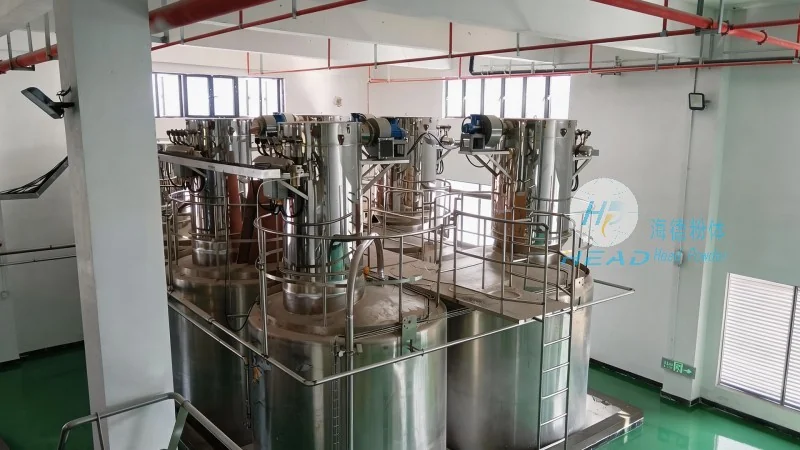
Specialized Containers and Handling Equipment
For smaller-scale or specialized transport needs, specialized containers and handling equipment are often used. These include sealed containers, bulk bags (FIBCs), and specialized trucks or trailers. These methods are particularly useful for transporting materials that are sensitive to moisture or require controlled environmental conditions. The containers are designed to minimize exposure to air and moisture, ensuring that the material remains in optimal condition during transport. Additionally, specialized handling equipment, such as vacuum loaders or conveyor systems, can be used to load and unload materials from these containers. This approach is ideal for companies that need to transport materials to different locations for processing or distribution. Shandong HeadPowder Engineering Co., Ltd. offers a range of specialized handling solutions, including custom-designed containers and equipment, to meet the diverse needs of its clients in the battery anode material industry.
Conclusion: Choosing the Right Transport Method
Selecting the appropriate transport method for battery anode materials is a critical decision that impacts operational efficiency and material quality. By considering factors such as material properties, operational scale, and environmental requirements, companies can choose the most effective transport solution. Bulk handling systems are suitable for large-scale, non-dusty materials, while pneumatic conveying is ideal for fine or dusty materials. Specialized containers and equipment are best for smaller-scale or sensitive materials. Companies like Shandong HeadPowder Engineering Co., Ltd. play a vital role in providing these transport solutions, leveraging their expertise to ensure that battery anode materials are transported safely, efficiently, and in compliance with industry standards. By partnering with such specialized providers, battery manufacturers can optimize their supply chain, reduce costs, and enhance overall productivity.




