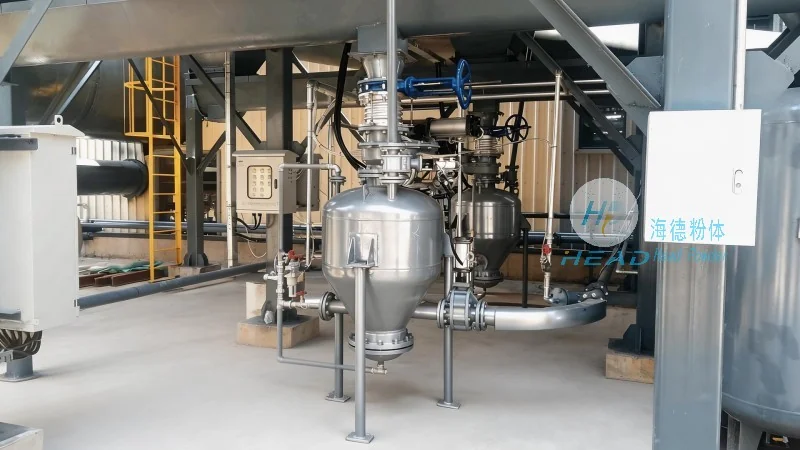
Shandong HeadPowder Engineering Co., Ltd., a company known as headpowder and based in Shandong, China, specializes in providing efficient and reliable solutions for the conveying of magnesium oxide powder. The company understands the unique challenges associated with handling this material, such as its fine particle size and light weight, and offers a range of methods tailored to different industrial needs.
Common Conveying Methods for Magnesium Oxide Powder
Magnesium oxide powder, with its fine particle size and light weight, requires specialized handling to ensure efficient and safe transport. Several methods are commonly employed in industrial settings to handle this material. Each method has its own advantages and is chosen based on factors such as the volume of material, the distance to be conveyed, and the specific requirements of the application.
Pneumatic Conveying Systems
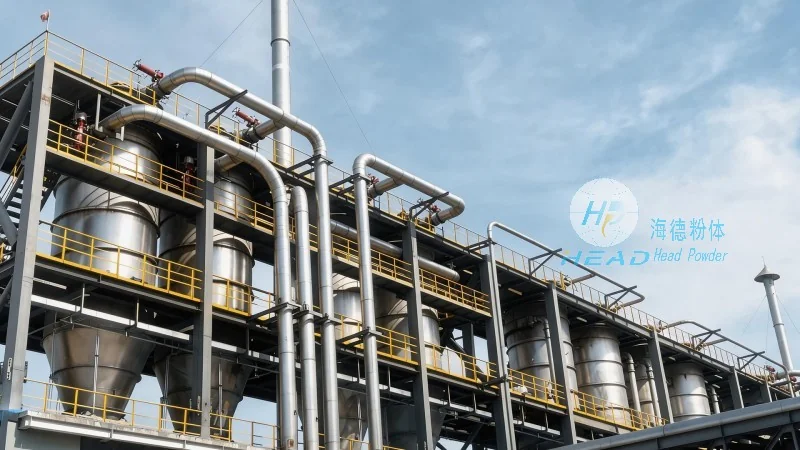
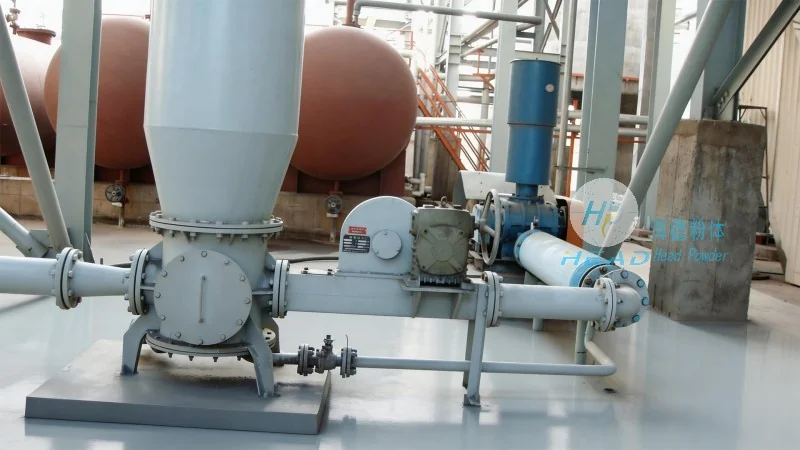
Pneumatic conveying is a widely used method for transporting magnesium oxide powder. This system uses air or other gases to move the powder through a pipeline. There are two main types: pressure and vacuum systems. Pressure systems use compressed air to push the powder forward, while vacuum systems use a vacuum to pull the material. Pneumatic conveying is particularly effective for long-distance transport and can handle both dilute and dense phase flows. It is ideal for applications where dust control and minimal product degradation are critical.
Screw Conveyors
Screw conveyors, also known as auger conveyors, are another common method for conveying magnesium oxide powder. These systems consist of a rotating screw inside a tube or trough. The screw pushes the powder forward as it rotates. Screw conveyors are suitable for horizontal or slightly inclined transport and are often used in processing plants for feeding, mixing, and batching operations. They are compact, easy to install, and can handle a wide range of particle sizes. However, they may not be suitable for very long distances or high-volume applications due to potential blockages and wear on the screw.
Belt Conveyors
Belt conveyors are used for transporting magnesium oxide powder over longer distances, especially in bulk handling operations. These systems consist of a continuous belt that moves over rollers or pulleys. The powder is placed on the belt and carried to the destination. Belt conveyors are efficient for horizontal and inclined transport and can handle large volumes of material. They are commonly used in mining, construction, and manufacturing industries. The choice of belt material and tension is important to prevent slipping and ensure smooth operation.
Bucket Elevators
Bucket elevators are vertical or inclined conveyors that use buckets attached to a chain or belt to lift and transport magnesium oxide powder. The buckets are filled at the bottom and then travel up the elevator, discharging the material at the top. This method is suitable for vertical transport and can handle both dry and wet powders. Bucket elevators are efficient for vertical movement and can transport material over significant heights. They are often used in flour mills, cement plants, and other industries where vertical transport is required.
Hydraulic Conveying
Hydraulic conveying is a less common but effective method for transporting magnesium oxide powder, especially in applications where other methods are not feasible. This system uses water or other liquids to transport the powder in a slurry form. The slurry is pumped through pipes to the destination, where the powder is separated from the liquid. Hydraulic conveying is suitable for long-distance transport and can handle large volumes of material. However, it requires additional equipment for slurry separation and may not be suitable for all applications due to the need for water.
Factors to Consider When Choosing a Conveying Method
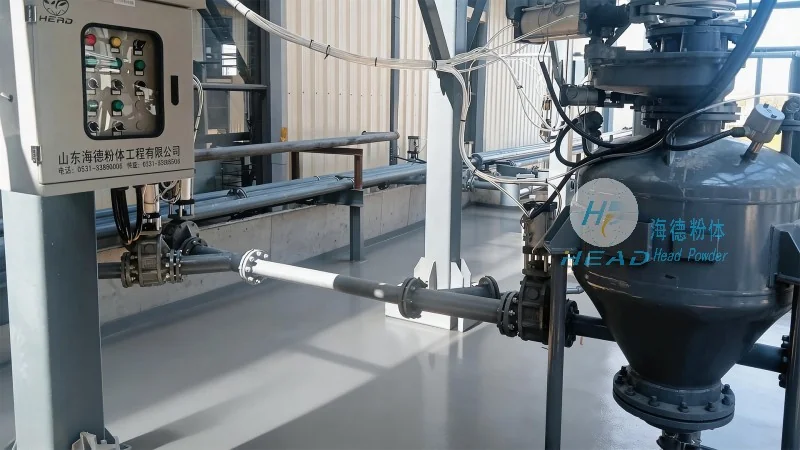
When selecting a conveying method for magnesium oxide powder, several factors must be considered to ensure optimal performance and efficiency. The first factor is the particle size and density of the powder. Fine particles may require more careful handling to prevent clogging, while larger particles may be easier to transport. The second factor is the distance and direction of transport. Horizontal or short-distance transport may use screw or belt conveyors, while long-distance or vertical transport may use pneumatic or bucket elevators. The third factor is the required capacity and flow rate. High-volume applications may require multiple conveyors or larger systems, while low-volume applications may use smaller systems. The fourth factor is the environmental and safety requirements. Dust control and explosion-proof systems may be necessary for certain applications, especially in industrial settings.
Conclusion
Choosing the right conveying method for magnesium oxide powder is crucial for efficient and safe operation. Shandong HeadPowder Engineering Co., Ltd. offers a range of solutions tailored to different industrial needs, ensuring that the material is transported effectively and with minimal risk. By considering factors such as particle size, distance, and capacity, industrial facilities can select the most appropriate method for their specific requirements. Whether using pneumatic, screw, belt, or bucket elevators, the goal is to achieve efficient, reliable, and safe transport of magnesium oxide powder.




