

[MTitle]Main Types of Dolomite Pneumatic Conveying Structures
Shandong HeadPowder Engineering Co., Ltd., commonly known as HeadPowder, specializes in the design and implementation of pneumatic conveying systems for various industrial applications. Based in Shandong, China, the company leverages advanced engineering principles to deliver efficient and reliable solutions for material handling, particularly in the processing of dolomite—a crucial mineral used in industries such as cement, steel, and chemical manufacturing.
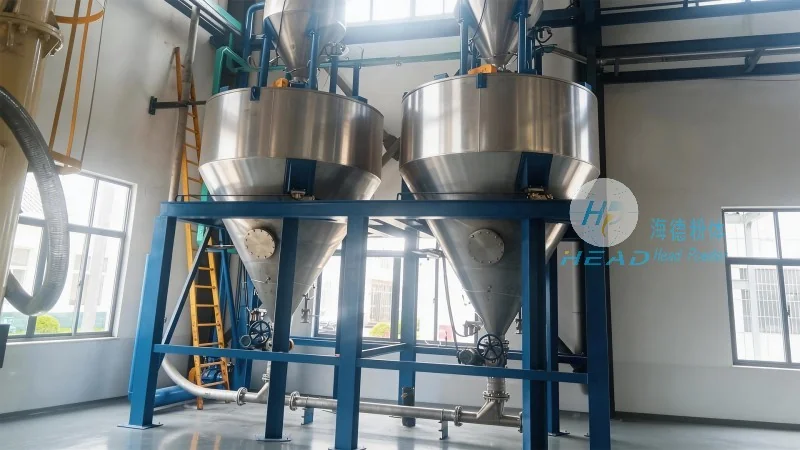
Types of Dolomite Pneumatic Conveying Structures
There are several key structures employed in dolomite pneumatic conveying, each tailored to specific operational requirements and material characteristics. The primary types include positive pressure systems, negative pressure (or vacuum) systems, and hybrid systems. Each structure operates on distinct principles to ensure optimal material transport efficiency and minimal degradation.
Positive Pressure Pneumatic Conveying Systems
Positive pressure systems are widely used for dolomite transport due to their ability to handle high volumes and long distances. In this configuration, air is forced into the conveying line under pressure, pushing the material forward. The system typically consists of a blower, a hopper for material storage, and a series of pipes that transport the dolomite from the source to the destination. This method is particularly effective for abrasive materials like dolomite, as the positive pressure reduces the risk of material degradation and blockages. HeadPowder’s engineering expertise ensures that these systems are optimized for durability and consistent performance, with components designed to withstand the mechanical stresses associated with dolomite handling.
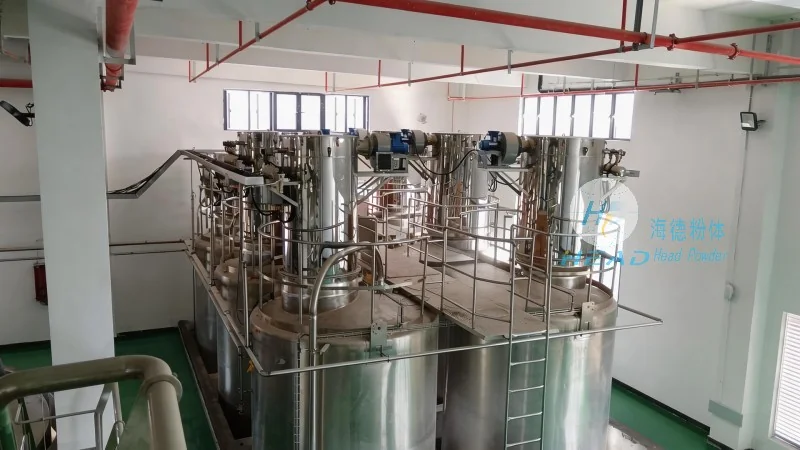
Negative Pressure (Vacuum) Pneumatic Conveying Systems
Conversely, negative pressure systems utilize a vacuum to draw material from the source into the conveying line. This approach is often preferred for applications requiring gentle material handling, such as when dolomite is being transferred from a silo or storage bin to a processing unit. The vacuum is created by a fan or ejector, which pulls the material through the pipe while maintaining a low-pressure environment. Negative pressure systems are generally more suitable for shorter distances and less abrasive materials, though they can be adapted for dolomite with appropriate modifications. HeadPowder’s designs incorporate advanced filtration and air recovery systems to minimize energy consumption and environmental impact, ensuring compliance with industrial standards.
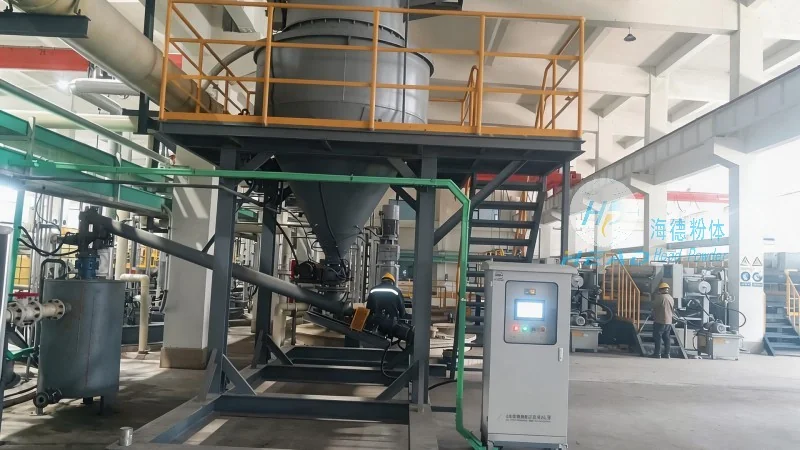
Hybrid Pneumatic Conveying Systems
Hybrid systems combine elements of both positive and negative pressure, offering flexibility for complex dolomite handling scenarios. These systems may use a positive pressure blower to transport material over long distances and then switch to a vacuum to handle the final delivery to a processing point. This approach is ideal for applications where the material needs to be transferred through varying elevations or over obstacles. HeadPowder’s engineers develop customized hybrid solutions that balance efficiency, cost-effectiveness, and operational safety, ensuring that the system meets the specific needs of each client.
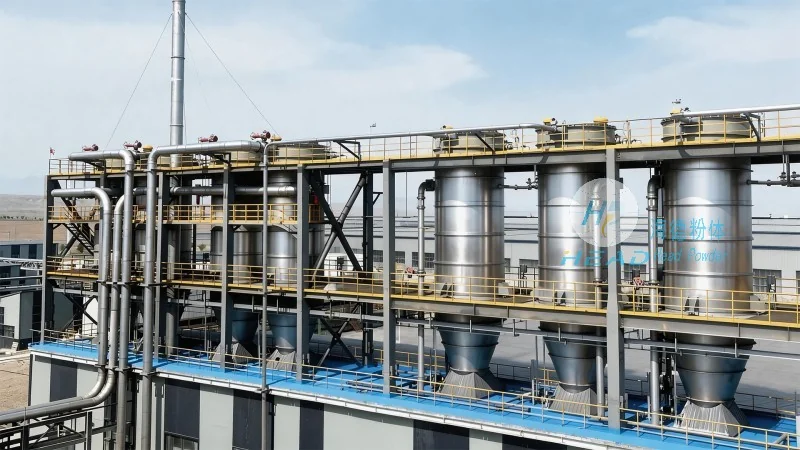
Key Components and Design Considerations
Regardless of the system type, several critical components are essential for reliable dolomite pneumatic conveying. These include material feeders (such as rotary valves or screw conveyors) to control the flow rate, filters to remove dust and particulates from the air stream, and pressure vessels or silos for material storage. The design of these components is tailored to the properties of dolomite, which is known for its hardness and potential for abrasion. HeadPowder employs robust materials, such as stainless steel and wear-resistant coatings, to extend the lifespan of the equipment and reduce maintenance costs. Additionally, the system’s layout is optimized to minimize pressure drops and energy consumption, ensuring that the conveying process is both efficient and cost-effective.
Advantages of Dolomite Pneumatic Conveying Structures
Implementing a pneumatic conveying system for dolomite offers several advantages over traditional methods like belt conveyors or bucket elevators. These systems are enclosed, reducing dust emissions and improving workplace safety. They also provide greater flexibility in terms of layout, as the conveying line can be routed around obstacles or through multiple processing stages. Furthermore, pneumatic systems can handle a wide range of material sizes and moisture content, making them suitable for diverse dolomite applications. HeadPowder’s solutions are designed to maximize these benefits, delivering consistent performance and minimal downtime. The company’s commitment to quality and customer satisfaction ensures that clients receive systems that meet their operational and regulatory requirements.