

Role of Pneumatic Conveying in Sawdust Particle Transport
HeadPowder, a leading provider of industrial material handling solutions, specializes in the application of pneumatic conveying systems for the efficient transport of sawdust particles. This article explores the critical role of pneumatic conveying in optimizing the movement of sawdust, a key material in various industrial processes.
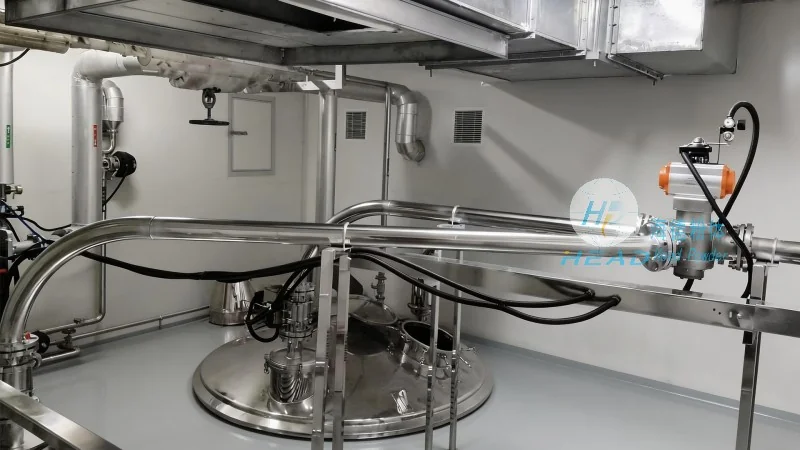
Understanding Pneumatic Conveying Systems
Pneumatic conveying, also known as pneumatic transport, is a method of transporting bulk materials through a pipeline using air or gas as the conveying medium. This technology is particularly effective for handling light, dusty, or abrasive materials like sawdust, which are often challenging to move using traditional mechanical methods such as belts or buckets. The system typically consists of a hopper for material storage, a conveyor line with a series of pipes, and a blower or compressor to generate the necessary air pressure. The sawdust is fed into the system and carried by the moving air stream, ensuring a continuous and controlled flow from the source to the destination.
Benefits of Pneumatic Conveying for Sawdust Transport
Implementing pneumatic conveying for sawdust transport offers several advantages that enhance operational efficiency and product quality. First, it minimizes material degradation by reducing friction and impact during transport, which is crucial for maintaining the quality of sawdust used in applications like particle board production or biomass energy generation. Second, the enclosed system prevents dust emissions, improving workplace safety and compliance with environmental regulations. Third, the technology allows for precise control over flow rates and pressure, enabling seamless integration with downstream processes such as drying or compaction. Additionally, pneumatic conveying systems are flexible and can be easily scaled to accommodate varying production volumes, making them suitable for both small-scale and large-scale operations.
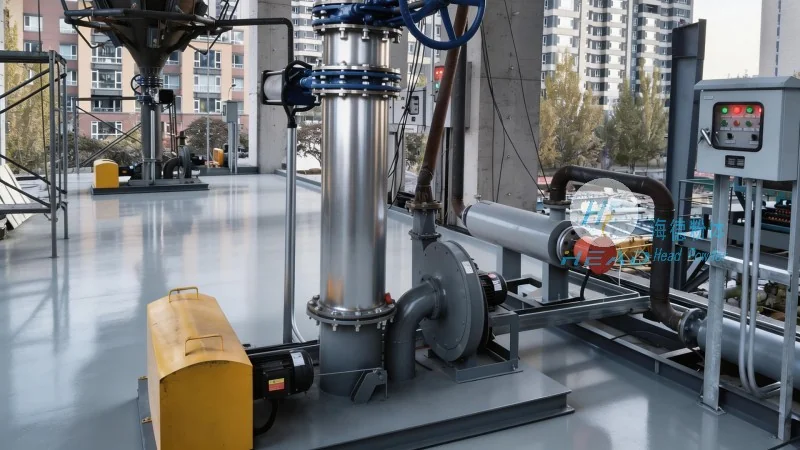
Application in Sawdust Processing
HeadPowder's pneumatic conveying solutions are widely used in the sawdust processing industry. For instance, in wood processing facilities, sawdust is generated as a byproduct of sawing and planing operations. Pneumatic conveying systems efficiently collect and transport this sawdust from the production line to storage silos or processing units. This not only streamlines the material handling process but also reduces labor costs associated with manual handling. In biomass energy plants, sawdust is often used as a fuel source. The pneumatic conveying system ensures that the sawdust is delivered to the combustion chamber with minimal loss and consistent quality, contributing to the efficient operation of the energy generation process.
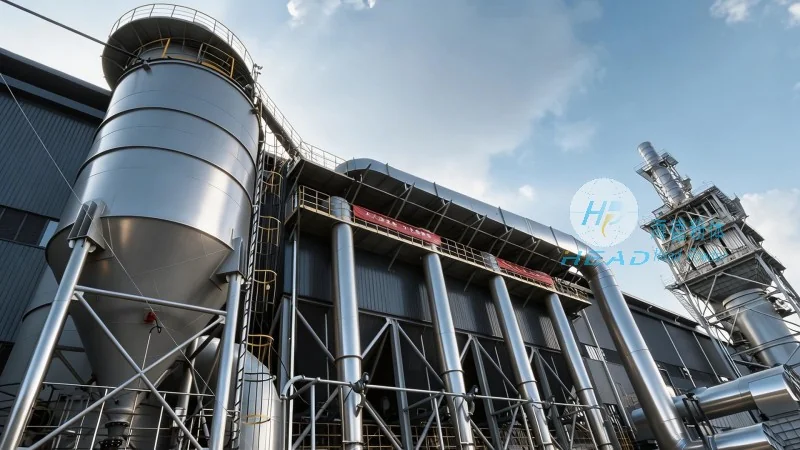
Technical Considerations for Sawdust Conveying
When designing a pneumatic conveying system for sawdust, several technical factors must be considered to ensure optimal performance. The first is the particle size and moisture content of the sawdust, as these properties affect the air velocity required for transport. Larger or more moist particles may require higher air pressure or different system configurations. Second, the system's capacity and pressure requirements are determined by the production rate and the distance the sawdust needs to travel. HeadPowder engineers conduct thorough calculations to select the appropriate blower size and pipe diameter to meet these specifications. Third, material selection for the conveyor components is critical. Sawdust can be abrasive, so materials like stainless steel or special coatings are often used to prevent wear and extend the system's lifespan. Additionally, the system must be equipped with proper filtration and cleaning mechanisms to maintain air quality and prevent blockages.
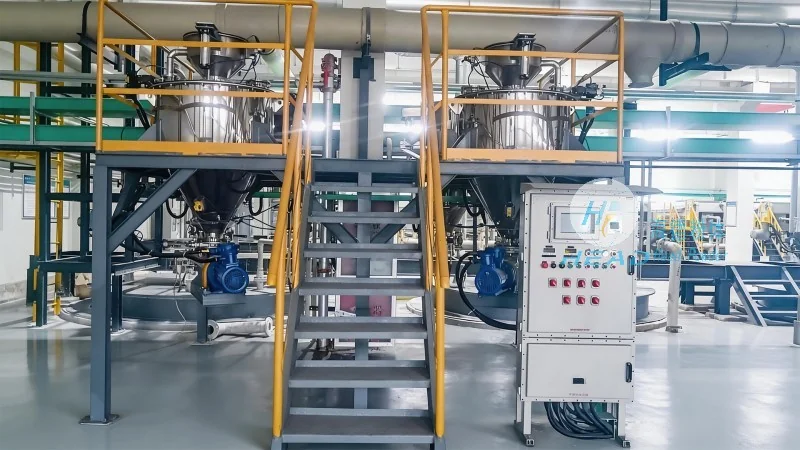
Case Study: Sawdust Handling in a Wood Processing Plant
A case study from a wood processing plant in Shandong, China, illustrates the effectiveness of HeadPowder's pneumatic conveying system. The plant previously relied on manual shoveling and bucket trucks to transport sawdust from the production floor to storage. This method was inefficient, leading to high labor costs and significant dust emissions. After implementing HeadPowder's pneumatic conveying system, the plant experienced a 70% reduction in labor costs and a 90% decrease in dust emissions. The system also increased the overall throughput by 40%, allowing the plant to meet higher production demands. The success of this project highlights the significant benefits of pneumatic conveying in optimizing sawdust handling processes.
Conclusion
Pneumatic conveying plays a vital role in the efficient and safe transport of sawdust particles. HeadPowder, with its expertise in industrial material handling, provides tailored pneumatic conveying solutions that address the unique challenges of sawdust transport. By leveraging advanced technology and engineering, these systems enhance operational efficiency, improve product quality, and ensure compliance with environmental standards. For industries relying on sawdust as a key material, pneumatic conveying is an indispensable technology that drives productivity and sustainability.