

Role of Pneumatic Conveying in Bone Meal Transportation
For industries dealing with bone meal, efficient and reliable material handling is crucial. Pneumatic conveying systems have emerged as a preferred solution for transporting bone meal, offering advantages such as reduced contamination, improved safety, and enhanced process control. This article explores the role of pneumatic conveying in the transportation of bone meal, highlighting its benefits and practical applications.
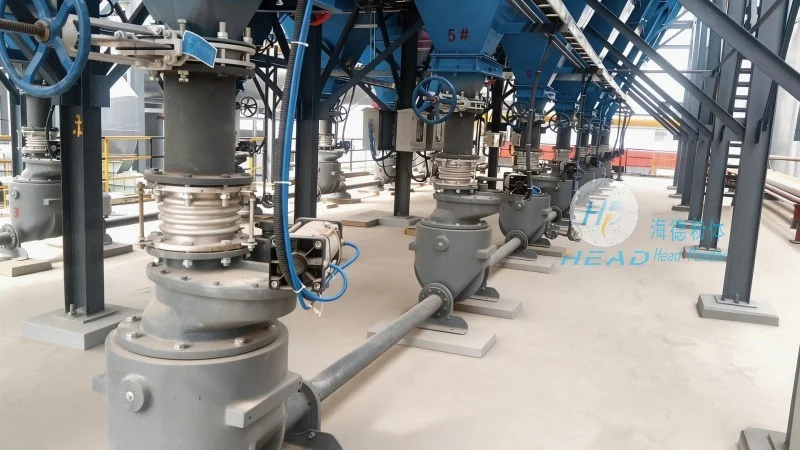
Understanding Pneumatic Conveying Systems
Pneumatic conveying is a method of transporting bulk materials through a pipeline using air or other gases. Unlike traditional mechanical systems like belt conveyors or screw conveyors, pneumatic systems rely on the force of moving air to move the material. This technology is particularly suitable for handling fine powders and granular materials, which are common in bone meal processing. The system typically consists of a hopper, a conveyor line, and a discharge unit, all designed to work in harmony to ensure smooth material flow.
Advantages of Pneumatic Conveying for Bone Meal
When it comes to bone meal transportation, pneumatic conveying offers several key advantages. First, it minimizes the risk of contamination, as the material is enclosed within the pipeline, preventing exposure to external elements. This is critical for bone meal, which is often used in animal feed and other applications where purity is essential. Second, pneumatic systems provide better control over the material's flow rate and pressure, allowing for precise dosing and regulation. This level of control helps maintain consistent product quality and reduces waste. Additionally, these systems are more flexible in terms of layout, as they can be installed in various configurations to suit different facility designs.
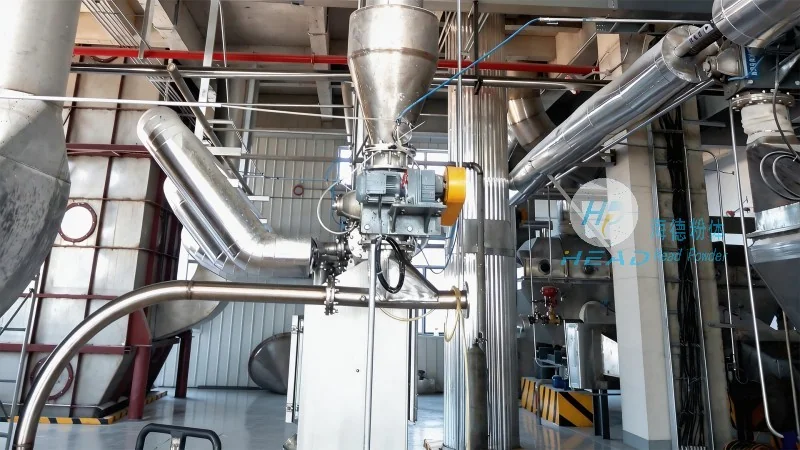
Key Components of a Bone Meal Pneumatic Conveying System
A typical pneumatic conveying system for bone meal includes several essential components. The hopper serves as the storage and feeding unit, where bone meal is loaded and prepared for transport. The conveyor line, often made of stainless steel or other corrosion-resistant materials, ensures the material moves efficiently without clogging. The air compressor or blower generates the necessary air pressure to move the material through the pipeline. The discharge unit, such as a rotary valve or a venturi, controls the release of the material at the destination. Each component plays a vital role in the overall performance and reliability of the system.
Applications and Industries
The use of pneumatic conveying in bone meal transportation is widespread across various industries. In the animal feed sector, bone meal is a valuable ingredient, and efficient transport is essential to meet production demands. Similarly, in the fertilizer industry, bone meal is used as a source of phosphorus, and pneumatic systems help in the seamless transfer of this material. Other applications include pharmaceuticals, where bone meal is used in certain formulations, and in the food processing industry for specialized products. The versatility of pneumatic conveying makes it suitable for a wide range of applications, from small-scale operations to large industrial facilities.
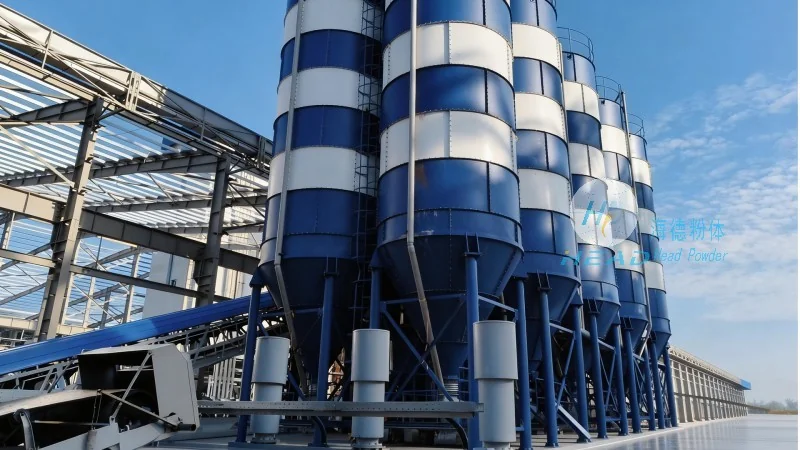
Considerations for Implementing Pneumatic Conveying
While pneumatic conveying offers numerous benefits, there are several factors to consider when implementing such a system for bone meal transportation. The first is the material's properties, including its particle size, moisture content, and flowability. These characteristics affect the system's design and performance. For example, fine bone meal may require a higher air velocity to prevent clogging, while coarser particles might need a different setup. Another consideration is the system's capacity and scalability. The design should accommodate current and future production needs to avoid frequent upgrades. Additionally, maintenance and operational costs are important factors. Pneumatic systems, while efficient, require regular maintenance of components like the air compressor and pipeline to ensure optimal performance.
Conclusion
Pneumatic conveying has become an indispensable technology in the transportation of bone meal, offering a reliable and efficient solution for material handling. By minimizing contamination, providing precise control, and offering flexibility, these systems enhance the overall efficiency of bone meal processing operations. As industries continue to prioritize quality and productivity, the role of pneumatic conveying in bone meal transportation is likely to grow. For companies like Shandong HeadPowder Engineering Co., Ltd., specializing in engineering solutions for material handling, pneumatic conveying systems represent a key area of expertise, helping clients achieve their operational goals with advanced and reliable technology.