For industrial applications, the efficient and safe transportation of polyvinylidene chloride (PVF) is crucial. As a leading manufacturer in the field, Shandong HeadPowder Engineering Co., Ltd. provides insights into various transportation methods tailored to the unique properties of PVF. This article explores the different approaches used to handle PVF, ensuring optimal performance and compliance with safety standards.
Understanding PVF and Its Transportation Requirements
Polyvinylidene chloride, commonly known as PVF, is a fluoropolymer known for its excellent chemical resistance, thermal stability, and low surface energy. These properties make PVF suitable for a wide range of applications, including chemical processing, pharmaceuticals, and specialty coatings. However, due to its physical characteristics, such as its tendency to form powders or granules, proper handling and transportation are essential to prevent material degradation and ensure product integrity.
Common Transportation Methods for PVF
Several transportation methods are commonly employed for PVF, each suited to different operational scales and material forms. The primary methods include bulk handling, bagging, and specialized equipment for handling powders or granules. Each method requires careful consideration of the material's properties to maintain its quality and prevent contamination.
Bulk Handling and Storage Solutions
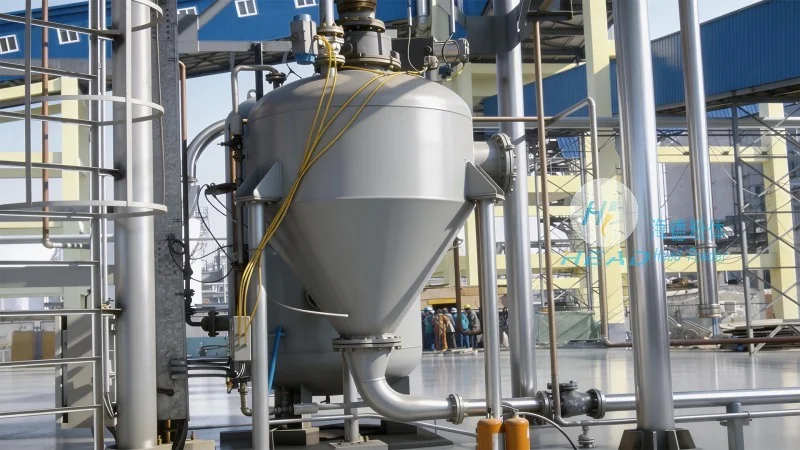
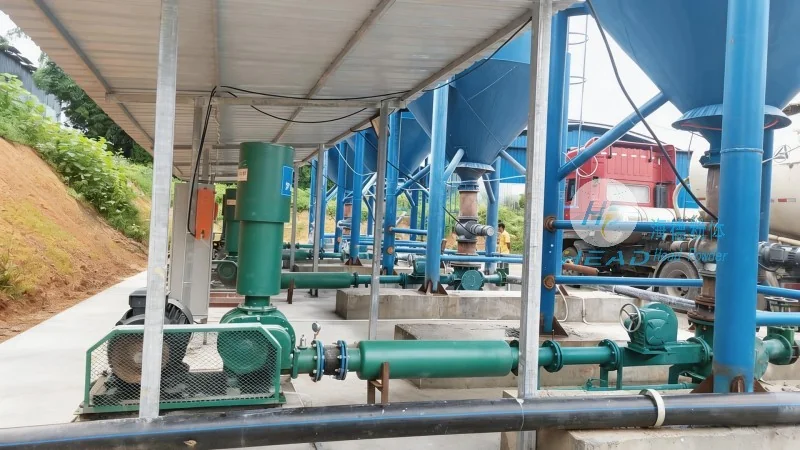
For large-scale operations, bulk handling is a common approach. This involves using storage tanks, silos, or bulk containers to store PVF in its raw form. The material is typically stored under controlled conditions to prevent moisture absorption or degradation. Bulk handling systems often include pneumatic conveying lines, which use air pressure to move the material from storage to processing equipment. This method is efficient for high-volume applications and minimizes material handling time.
Bagging and Packaging for Smaller Quantities
For smaller quantities or when transporting PVF to customers, bagging is a practical solution. PVF is often packaged in high-density polyethylene (HDPE) bags or containers, which provide protection from moisture and contamination. The bags are typically sealed to maintain the material's purity and prevent exposure to air or other environmental factors. This method is ideal for distribution and ensures that the material remains in its original state until it reaches the end user.
Specialized Equipment for Powder and Granule Handling
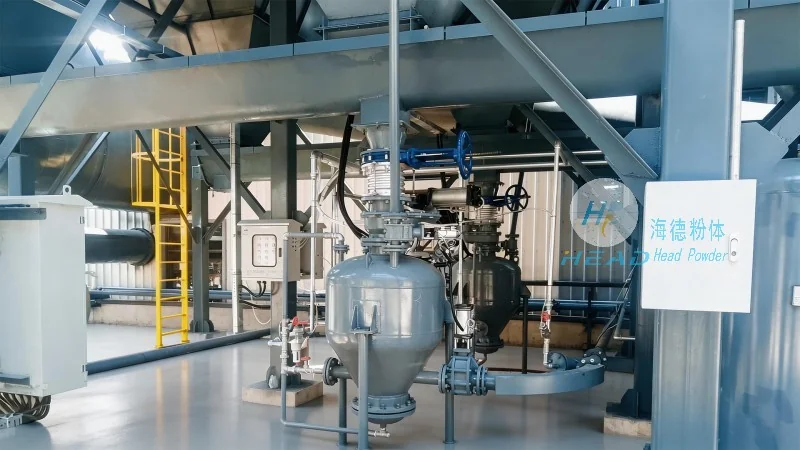
Handling PVF in its powder or granule form requires specialized equipment to prevent dust generation and ensure safe transport. Conveyors, such as screw conveyors or pneumatic conveyors, are used to move the material from storage to processing units. These systems are designed to minimize dust exposure and maintain the material's integrity. Additionally, vacuum loading systems are used for transporting PVF in bulk, ensuring that the material is moved without creating excessive dust or contamination.
Safety and Compliance in PVF Transportation
Ensuring safety and compliance is paramount when transporting PVF. The material is non-toxic but can cause respiratory issues if inhaled as dust. Therefore, proper ventilation and dust control measures are essential. Additionally, all transportation equipment must be regularly inspected and maintained to prevent leaks or spills that could contaminate the environment or other materials. Compliance with local regulations and industry standards is also critical to ensure that the transportation process meets all safety requirements.
Choosing the Right Transportation Method for Your Needs
When selecting a transportation method for PVF, several factors should be considered, including the scale of operation, the form of the material (powder, granule, or liquid), and the destination of the product. For large-scale industrial applications, bulk handling and pneumatic conveying are often the most efficient options. For smaller quantities or distribution, bagging and specialized containers are preferred. It is also important to consider the cost-effectiveness of each method and the potential for material loss or degradation during transport.
Shandong HeadPowder Engineering Co., Ltd., a leading manufacturer of PVF and related products, specializes in providing high-quality transportation solutions for industrial applications. With years of experience in the field, the company ensures that all transportation methods meet the highest standards of safety and efficiency. By partnering with HeadPowder, businesses can rely on reliable and cost-effective transportation of PVF, ensuring that their operations run smoothly and product quality is maintained.




