For industrial operations dealing with dry yeast, selecting the right conveying method is crucial for efficiency, product integrity, and operational safety. The choice of conveying system depends on factors such as yeast type, processing scale, and the specific requirements of the production line. In this article, we explore the primary dry yeast conveying methods used by Shandong HeadPowder Engineering Co., Ltd., a leading manufacturer in the field.
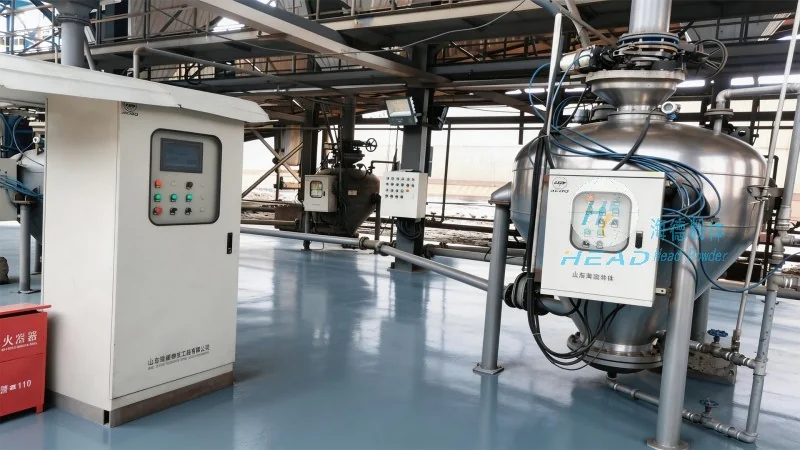
Understanding Dry Yeast Conveying Systems
Dry yeast, often used in baking, brewing, and food processing industries, requires specialized handling to maintain its quality and functionality. Conveying systems must ensure minimal product degradation, prevent contamination, and provide consistent flow rates. The methods below are designed to meet these demands while optimizing operational performance.
1. Screw Conveyors for Dry Yeast
Screw conveyors, also known as auger conveyors, are a popular choice for dry yeast handling due to their simplicity and effectiveness. These systems consist of a rotating screw (auger) inside a trough, which moves the yeast from one point to another. The design allows for gentle handling, reducing the risk of clumping or damage to the yeast cells. Shandong HeadPowder Engineering Co., Ltd. offers custom screw conveyor solutions tailored to the specific needs of clients, ensuring efficient and reliable transport of dry yeast.
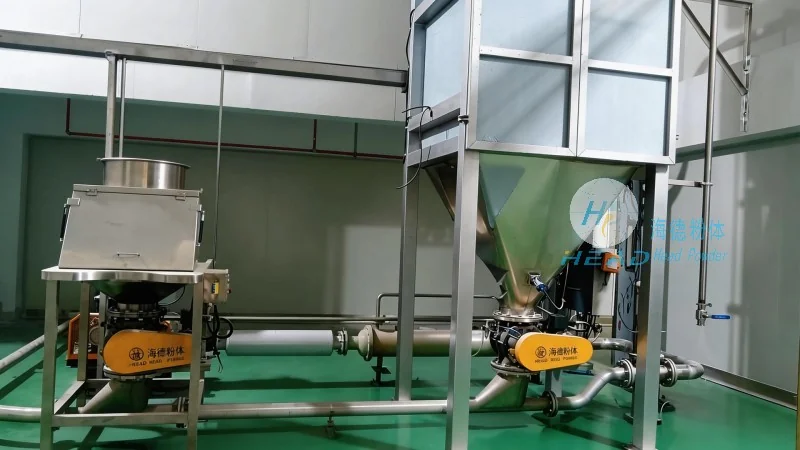
2. Pneumatic Conveying Systems
Pneumatic conveying, or air-based transport, uses compressed air to move dry yeast through a pipeline. This method is ideal for applications requiring long-distance transport or when the yeast needs to be handled in a closed system to prevent contamination. The system typically includes a hopper, a venturi (or eductor) to create airflow, and a receiver at the destination. Pneumatic conveying offers advantages such as low maintenance and the ability to transport yeast in a sterile environment. HeadPowder Engineering specializes in designing and manufacturing pneumatic conveying systems that meet the strict hygiene standards required in food and beverage industries.
3. Belt Conveyors for Bulk Dry Yeast
Belt conveyors are commonly used for bulk handling of dry yeast, especially in large-scale production facilities. These systems utilize a continuous belt to transport the yeast from a loading point to a storage or processing area. Belt conveyors are suitable for high-volume operations and can be integrated with other equipment, such as hoppers and elevators, to form a complete conveying line. The design of the belt and the speed of the conveyor can be adjusted to control the flow rate and prevent product buildup. Shandong HeadPowder Engineering Co., Ltd. provides robust belt conveyor solutions that ensure smooth and consistent transport of dry yeast, minimizing downtime and maximizing productivity.
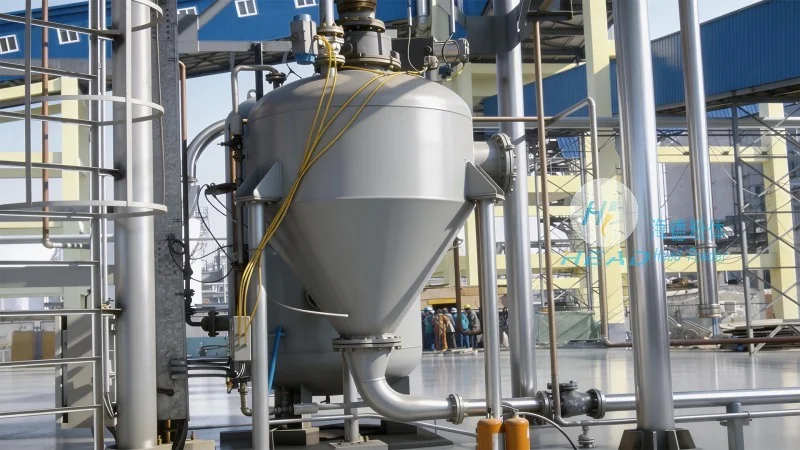
4. Bucket Elevators for Vertical Dry Yeast Transport
For vertical transport of dry yeast, bucket elevators are an effective solution. These systems consist of a vertical or inclined conveyor with buckets attached to a chain or belt. The buckets lift the yeast from a lower level to a higher level, allowing for efficient vertical movement. Bucket elevators are ideal for applications where space is limited or when the yeast needs to be elevated to a different part of the production line. The design of the buckets and the speed of the elevator can be customized to handle different types of dry yeast, ensuring minimal product degradation. HeadPowder Engineering offers reliable bucket elevator systems that are easy to maintain and provide consistent performance.
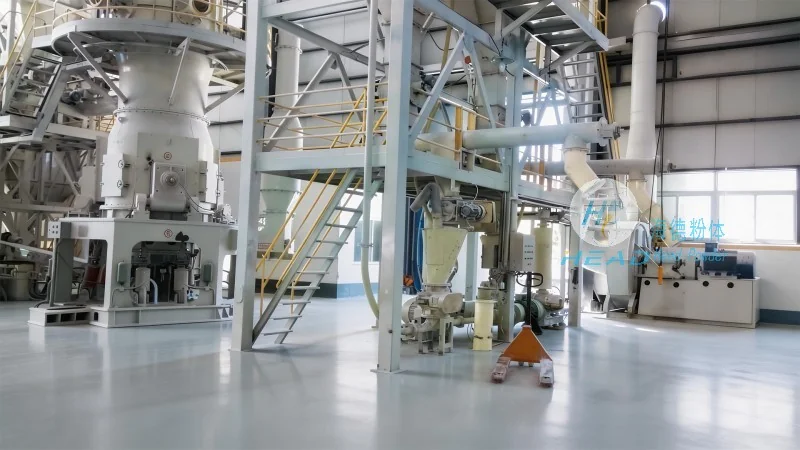
5. Combination Conveying Systems
In many industrial settings, a single conveying method may not be sufficient to meet all the requirements of the production line. Combination conveying systems, which integrate multiple technologies, are often used to achieve optimal performance. For example, a system might combine a screw conveyor for horizontal transport with a pneumatic conveyor for vertical or long-distance transport. Shandong HeadPowder Engineering Co., Ltd. specializes in designing and manufacturing combination conveying systems that are tailored to the specific needs of clients, ensuring efficient and reliable transport of dry yeast throughout the entire production process.
Conclusion: Choosing the Right Dry Yeast Conveying Method
When selecting a dry yeast conveying method, it is essential to consider factors such as the type of yeast, the scale of operation, and the specific requirements of the production line. Each method has its advantages and limitations, and the choice should be based on a thorough analysis of the operational needs. Shandong HeadPowder Engineering Co., Ltd. provides expert guidance and customized solutions to help clients choose the most suitable dry yeast conveying system for their needs. With their expertise in the field, HeadPowder Engineering ensures that clients can achieve efficient, reliable, and cost-effective transport of dry yeast, supporting their production goals and maintaining product quality.




