EPS, or expandable polystyrene, is a widely used lightweight foam material known for its excellent thermal insulation properties and lightweight characteristics. In industrial applications, the efficient and reliable transportation of EPS materials is crucial for maintaining production efficiency and product quality. Gas-pneumatic conveying technology offers a sophisticated solution for handling EPS, leveraging the principles of air flow to transport granular or powdered materials without direct mechanical contact. This method is particularly advantageous for EPS due to its delicate nature, as it minimizes physical damage and preserves the material's structural integrity during transit.
Core Principles of Gas-Pneumatic Conveying for EPS
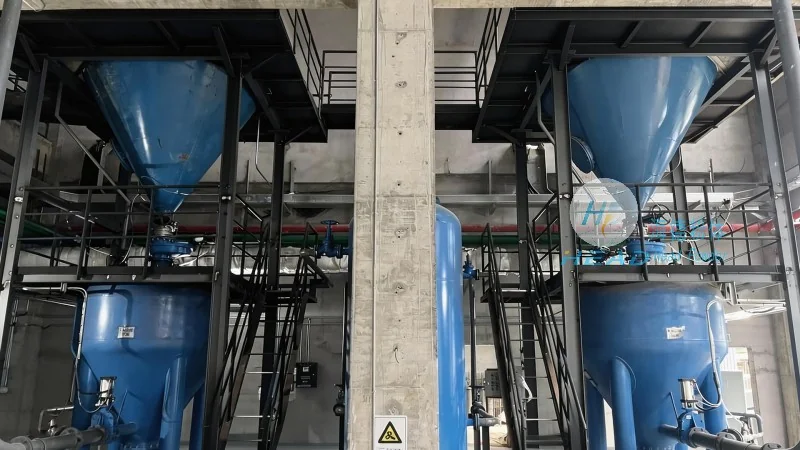
The fundamental principle of gas-pneumatic conveying involves using compressed air to create a flow that moves particles through a pipeline. There are two primary modes: suction (or vacuum) and pressure systems. In suction systems, a vacuum is created at the receiving end to draw material from a hopper or storage bin into the pipeline. Pressure systems, conversely, use compressed air to push material from a source through the pipeline. For EPS, the choice of system depends on factors such as material flow rate, distance, and the need for dust control. The system typically includes components like a feed hopper with a rotary valve or star feeder to control material discharge, a venturi or air lock to facilitate air-particle mixing, and a separation unit to separate the material from the air stream at the discharge end. This setup ensures that EPS particles are transported smoothly and efficiently, with minimal loss or degradation.
Applications of EPS Gas-Pneumatic Conveying in Industrial Settings
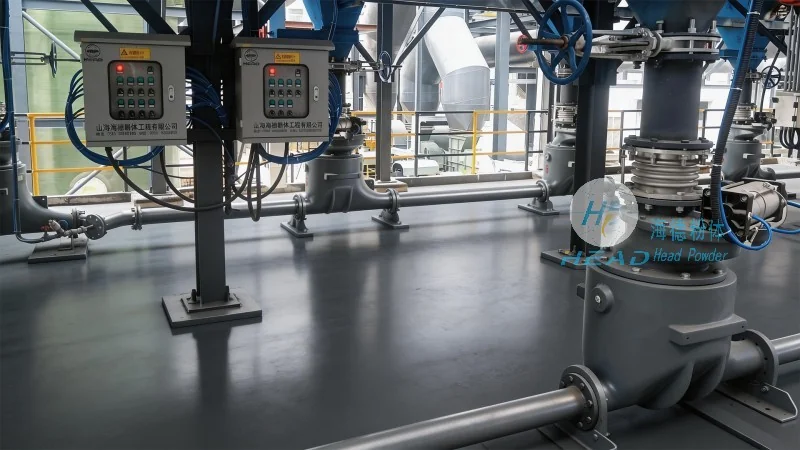
EPS gas-pneumatic conveying systems are extensively used in various industrial sectors where EPS is a key component. In the manufacturing of building insulation materials, for instance, these systems are employed to transport raw EPS beads from storage silos to the expansion or molding equipment. This ensures a consistent and controlled flow of material, which is critical for achieving uniform foam density and quality in the final insulation products. Similarly, in the electronics and appliance industries, EPS is used as protective packaging material. Gas-pneumatic conveyors are used to move finished EPS products, such as foam blocks or molded parts, from production lines to packaging or storage areas. This method is especially beneficial in environments where dust control is essential, as the enclosed system prevents the release of fine particles into the air. Additionally, in recycling operations, EPS gas-pneumatic systems can be utilized to transport recycled EPS material from collection points to processing facilities, supporting sustainable manufacturing practices.
Technical Advantages and Efficiency Improvements
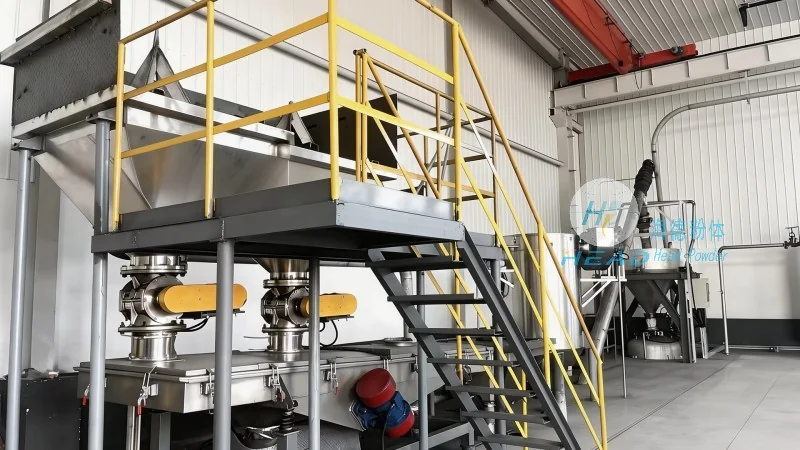
Compared to traditional mechanical conveying methods like belt conveyors or bucket elevators, gas-pneumatic conveying offers several distinct advantages for EPS handling. One of the most significant benefits is the reduction of material damage. Since EPS particles are conveyed via air, there is no physical friction or impact that could cause the foam to break down or lose its insulating properties. This is particularly important for high-value EPS products where maintaining the material's integrity is essential. Another advantage is energy efficiency. Modern gas-pneumatic systems are designed to operate with minimal energy consumption, often using variable frequency drives to adjust air pressure and flow rates according to the material's flow characteristics. This not only reduces operational costs but also aligns with environmental sustainability goals. Furthermore, the compact design of gas-pneumatic systems allows for easier integration into existing production lines, saving space and simplifying installation. The enclosed nature of the system also provides better dust control, improving workplace safety and reducing the risk of material contamination.
Development Trends and Future Prospects
The field of EPS gas-pneumatic conveying technology is continuously evolving, driven by advancements in automation, control systems, and environmental regulations. One key trend is the integration of smart sensors and monitoring systems into conveying equipment. These technologies enable real-time tracking of material flow rates, air pressure, and system performance, allowing for immediate adjustments to optimize efficiency and prevent downtime. Another trend is the development of more energy-efficient components, such as high-efficiency blowers and advanced filtration systems that reduce energy consumption while maintaining performance. Additionally, there is a growing focus on sustainable practices, with manufacturers developing systems that use recycled air or incorporate renewable energy sources to power the conveying process. As the demand for lightweight and eco-friendly materials continues to rise, EPS gas-pneumatic conveying technology will likely play an increasingly important role in supporting these trends. The technology's ability to handle delicate materials efficiently while minimizing environmental impact makes it a valuable solution for industries looking to enhance their production processes and meet modern sustainability standards.
Conclusion and Company Overview
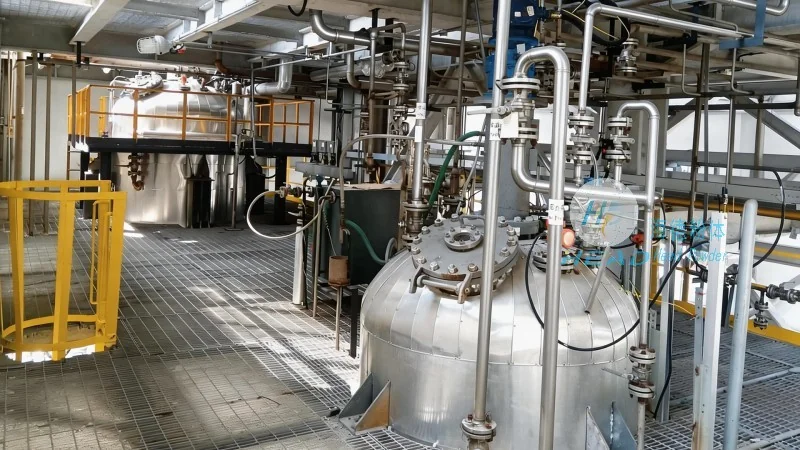
EPS gas-pneumatic conveying technology represents a sophisticated and efficient method for handling expandable polystyrene materials in industrial applications. By leveraging the principles of air flow, these systems offer numerous advantages, including reduced material damage, improved energy efficiency, and enhanced dust control. The technology is widely applied across various industries, from building insulation to protective packaging, supporting the production of high-quality EPS products. As technology continues to advance, the integration of automation and sustainability features will further enhance the capabilities of EPS gas-pneumatic conveying systems. HeadPowder Engineering, a leading provider of engineering solutions in China, specializes in designing and implementing customized EPS gas-pneumatic conveying systems tailored to the specific needs of industrial clients. With a focus on innovation and customer satisfaction, HeadPowder Engineering helps businesses optimize their material handling processes, ensuring reliable and efficient operation of EPS production lines. Based in Shandong, China, the company leverages its expertise to deliver high-quality engineering solutions that meet the evolving demands of the industry.




