When it comes to transporting sulfur, various methods are employed to ensure efficiency, safety, and cost-effectiveness. Understanding these different approaches is crucial for industries that rely on sulfur for their operations. In this article, we will explore the primary methods used for sulfur transportation, highlighting the key aspects of each technique and how they contribute to the overall supply chain.
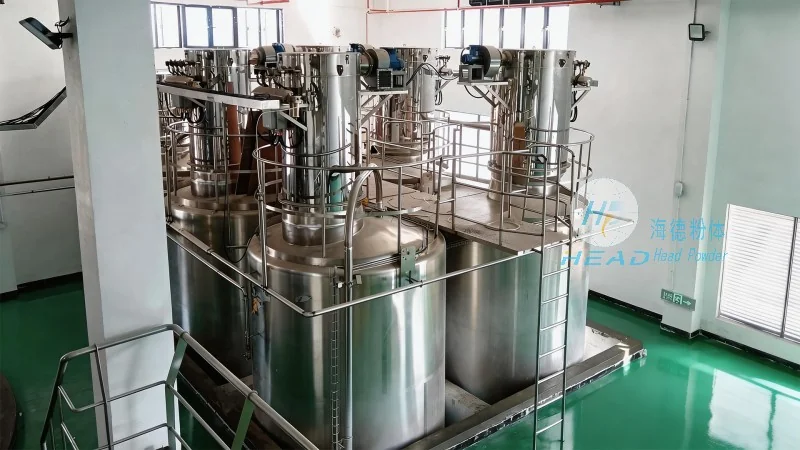
Overview of Sulfur Transportation Methods
Sulfur, a vital chemical element used in numerous applications such as fertilizer production, chemical manufacturing, and industrial processes, requires reliable transportation to reach its end-users. The choice of transportation method depends on several factors, including the form of sulfur (e.g., solid, liquid, or gas), the distance of transport, and the specific requirements of the destination. Below, we delve into the most common sulfur transportation methods used globally.
1. Bulk Tanker Trucks for Liquid Sulfur
One of the most common methods for transporting liquid sulfur is through bulk tanker trucks. These specialized vehicles are designed to handle the unique properties of liquid sulfur, which is typically stored and transported at temperatures around 120-150°F (49-66°C) to maintain its liquid state. The trucks are equipped with insulated tanks and temperature control systems to prevent solidification during transit. This method is particularly suitable for short to medium distances, such as from a sulfur processing plant to a nearby industrial facility or storage terminal. The use of bulk tanker trucks allows for flexible and on-demand delivery, making it an ideal choice for industries that require regular sulfur supply.
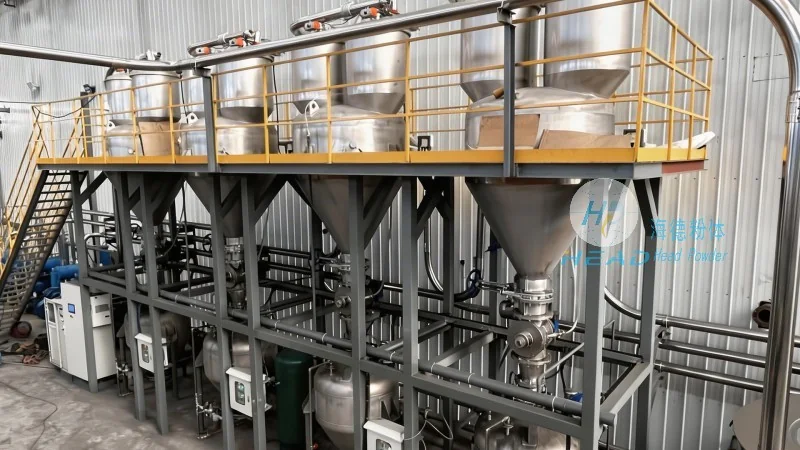
2. Railcars for Bulk Sulfur Transport
Rail transportation is another widely used method for moving large quantities of sulfur, especially in regions with extensive railway networks. Sulfur is often transported in specialized railcars, which can be either covered or open-top, depending on the form of sulfur being carried. For solid sulfur, such as sulfur prills or granules, covered hopper cars are commonly used to protect the cargo from weather and contamination. In the case of liquid sulfur, tank cars specifically designed for corrosive materials are employed. Rail transport offers several advantages, including lower transportation costs per ton-mile compared to road transport, reduced traffic congestion, and the ability to move large volumes over long distances efficiently. This method is particularly beneficial for connecting remote sulfur production sites to major industrial centers or ports.
3. Shipments via Bulk Cargo Vessels
For long-distance transportation, especially when moving sulfur from one country to another, shipping via bulk cargo vessels is the primary method. Sulfur is typically transported in bulk as a liquid or solid, and specialized ships are used to handle these shipments. Liquid sulfur is often transported in tankers that are equipped with insulation and heating systems to maintain its liquid state during ocean voyages. Solid sulfur, such as sulfur granules or prills, is commonly carried in bulk carriers or general cargo ships, where it is stored in holds or holds with covers to prevent spillage and contamination. Shipping sulfur by sea is cost-effective for large volumes and long distances, making it a preferred choice for international trade. The process involves loading the sulfur at the production facility, transporting it to a port, and then unloading it at the destination port for further distribution.
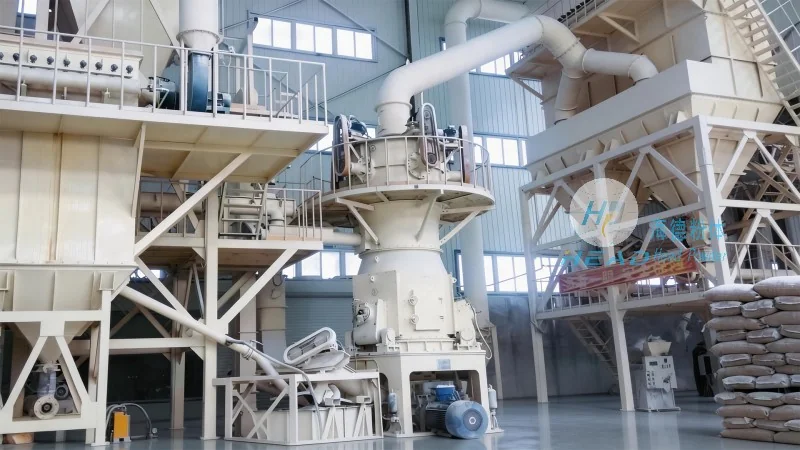
4. Pipeline Transportation for Liquid Sulfur
For continuous and large-scale transportation of liquid sulfur, pipelines are an efficient and reliable option. This method is particularly common in regions where sulfur is produced and consumed locally, such as in the United States and parts of Europe. The pipelines are constructed from materials resistant to sulfur corrosion, such as stainless steel or specialized alloys, to ensure durability and safety. The liquid sulfur is pumped through the pipeline under high pressure, and the system is equipped with temperature control and monitoring devices to maintain the desired temperature and pressure. Pipeline transportation offers several benefits, including low operating costs, minimal environmental impact, and the ability to transport large volumes of sulfur continuously without the need for intermediate storage or handling. This method is ideal for industries that require a steady and uninterrupted supply of liquid sulfur.
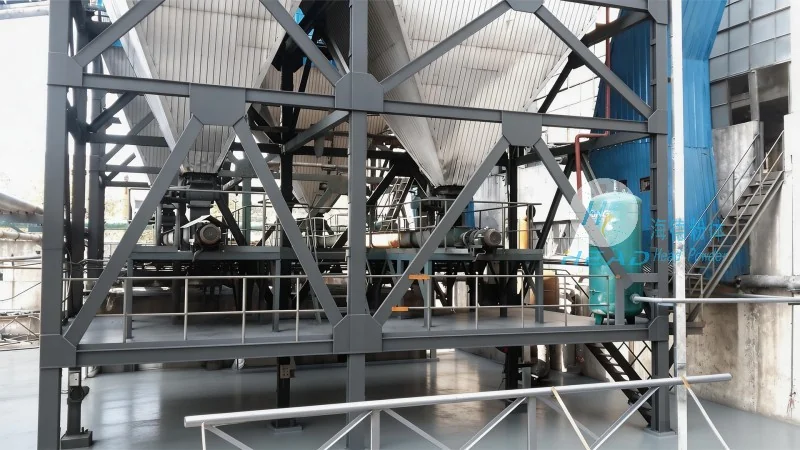
5. Specialized Containerized Transport for Solid Sulfur
For smaller quantities of solid sulfur or when transporting sulfur to locations without dedicated infrastructure, specialized containerized transport is used. This method involves loading solid sulfur, such as sulfur granules or prills, into standard shipping containers or specialized containers designed to handle bulk solids. The containers are equipped with ventilation systems and protective measures to prevent dust and spillage during transit. This method is particularly suitable for short-distance transport or for delivering sulfur to smaller industrial sites or retail customers. The use of containers allows for easy handling and storage at the destination, and it provides a secure and controlled environment for the sulfur cargo.
Conclusion: Choosing the Right Sulfur Transportation Method
Each sulfur transportation method has its own advantages and is suitable for different scenarios. The choice of method depends on factors such as the form of sulfur, the distance of transport, the volume required, and the specific needs of the destination. By understanding the characteristics of each method, industries can select the most appropriate transportation option to ensure efficient and reliable sulfur delivery. Whether using bulk tanker trucks, railcars, ships, pipelines, or specialized containers, the goal is to maintain the quality and integrity of the sulfur while minimizing costs and risks. As a leading provider of sulfur transportation solutions, Shandong HeadPowder Engineering Co., Ltd. offers expertise and services tailored to meet the diverse needs of sulfur producers and consumers worldwide.




