For industries dealing with tungsten carbide powders, efficient and reliable handling systems are crucial for maintaining product quality and operational efficiency. This overview provides a detailed look at the components, design principles, and operational mechanics of a typical tungsten carbide powder handling system, highlighting how it ensures safe and effective material transport.
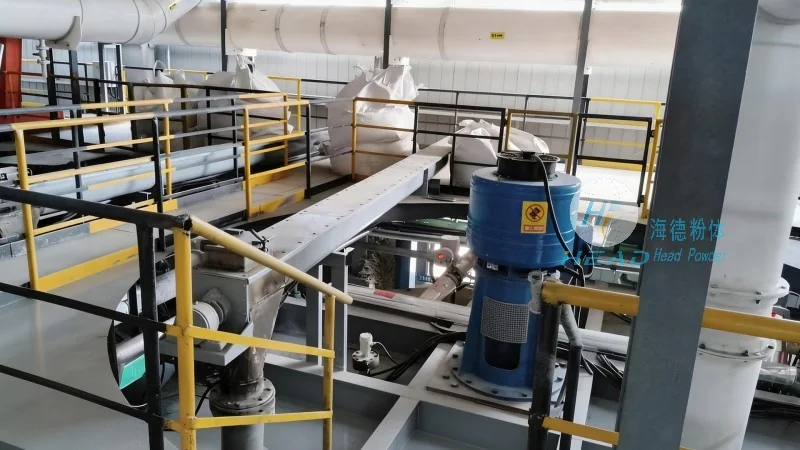
System Overview and Key Components
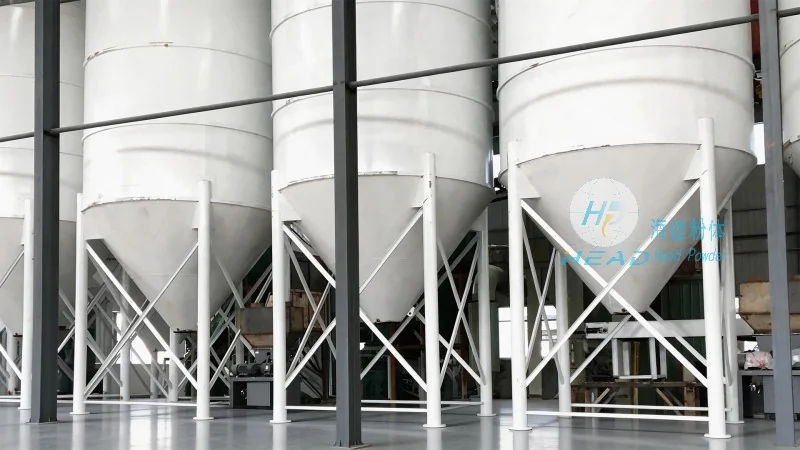
A tungsten carbide powder handling system is engineered to manage the storage, transfer, and distribution of tungsten carbide powders, which are widely used in cutting tools, wear-resistant components, and other high-performance applications. The system typically consists of several integrated components, each playing a vital role in the overall process. These components include storage hoppers or silos, feeding mechanisms (such as rotary valves or vibratory feeders), conveying equipment (like pneumatic or mechanical conveyors), and control systems that regulate the flow of material. Each component is designed to work in harmony to minimize material degradation, prevent contamination, and ensure consistent performance.
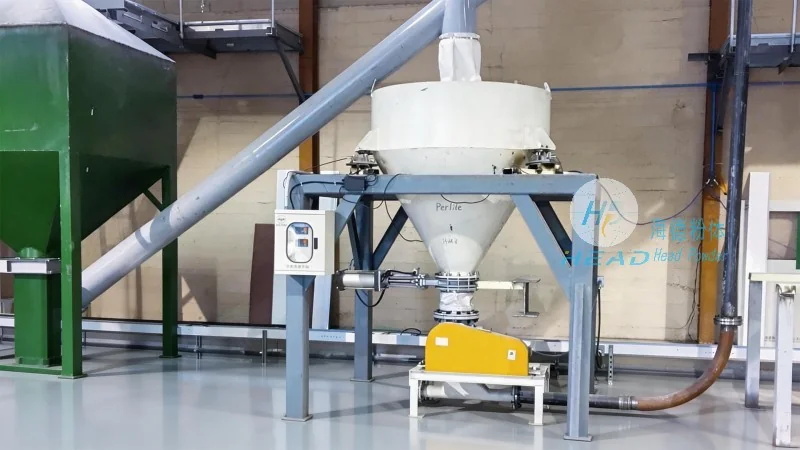
Structural Design and Working Principles
The structural design of a tungsten carbide powder handling system prioritizes durability and compatibility with the abrasive nature of tungsten carbide. Materials used in the construction, such as stainless steel, high-grade alloys, or specialized polymers, are selected to withstand the wear and corrosion caused by the powder. The system’s layout often incorporates a vertical or horizontal configuration, depending on the space constraints and material flow requirements. Vertical systems are common for large-scale operations, as they allow for efficient use of vertical space and gravity-assisted flow, reducing the need for high-pressure conveying. Horizontal systems, on the other hand, are suitable for shorter distances and may use mechanical or pneumatic conveyors to move the powder from one point to another. The feeding mechanism, such as a rotary valve or vibratory feeder, controls the rate at which powder is released from the storage hopper. This controlled release ensures a steady flow to the conveying equipment, preventing overloading or clogging. The conveying equipment then transports the powder to the processing or packaging area. Pneumatic conveyors use air pressure to move the powder through a network of pipes, while mechanical conveyors rely on belts or screws to transport the material. The control system monitors parameters like pressure, flow rate, and temperature, adjusting the operation of the feeding and conveying components as needed to maintain optimal performance.
Company Profile: Shandong HeadPowder Engineering Co., Ltd.
HeadPowder, a leading manufacturer in the field of powder handling technology, specializes in designing and supplying customized tungsten carbide powder handling systems. With a focus on innovation and quality, the company has built a reputation for delivering reliable solutions tailored to the specific needs of its clients. HeadPowder’s team of engineers and technicians works closely with customers to understand their operational requirements, ensuring that the final system meets all safety, efficiency, and regulatory standards. The company’s facilities are equipped with advanced manufacturing and testing capabilities, allowing for the production of high-quality components that are built to last. HeadPowder’s commitment to customer satisfaction and technological advancement has made it a trusted partner for businesses in the tungsten carbide industry. The company’s headquarters is located in Shandong, China, where it continues to develop new solutions and expand its market presence.




