The rapeseed material handling system is a critical component in the processing and transportation of rapeseed, a key raw material in the production of biofuels, vegetable oils, and other industrial products. For businesses involved in rapeseed processing, an efficient and reliable material handling system is essential to ensure smooth operations, maintain product quality, and enhance overall productivity. This article provides a detailed overview of the operation process and working principle of such systems, highlighting the key components, operational steps, and the role of advanced engineering in optimizing performance.
Key Components of the Rapeseed Material Handling System
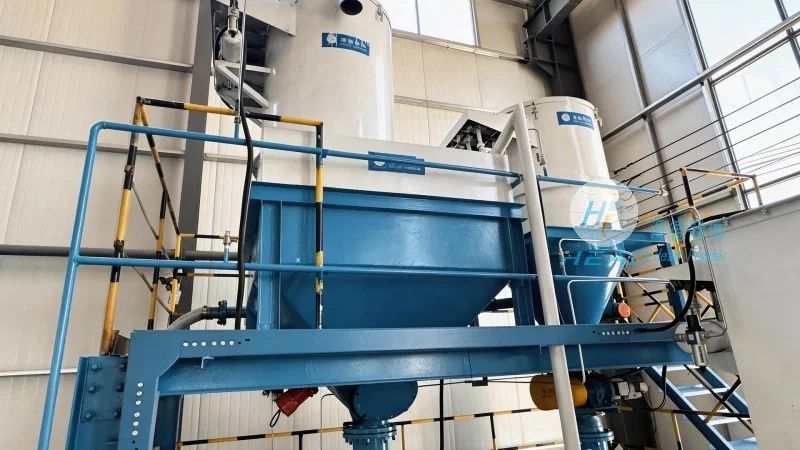
The rapeseed material handling system typically consists of several interconnected components designed to handle the entire flow of rapeseed from reception to processing. The main components include reception hoppers, conveyors (such as belt conveyors, screw conveyors, or pneumatic conveyors), storage silos, cleaning equipment, and feeding mechanisms. Each component plays a vital role in ensuring the efficient movement of rapeseed while maintaining its quality and integrity. For instance, reception hoppers are used to collect incoming rapeseed from trucks or bulk containers, while conveyors transport the material to storage or processing areas. Storage silos are used to hold large quantities of rapeseed, allowing for controlled release during processing. Cleaning equipment, including screens and air classifiers, removes impurities like stones, dirt, and other foreign materials, ensuring that only high-quality rapeseed enters the processing stage. The feeding mechanisms, such as rotary valves or feeders, regulate the flow of rapeseed to the subsequent processing equipment, maintaining consistent feed rates.
Operation Process of the Rapeseed Material Handling System
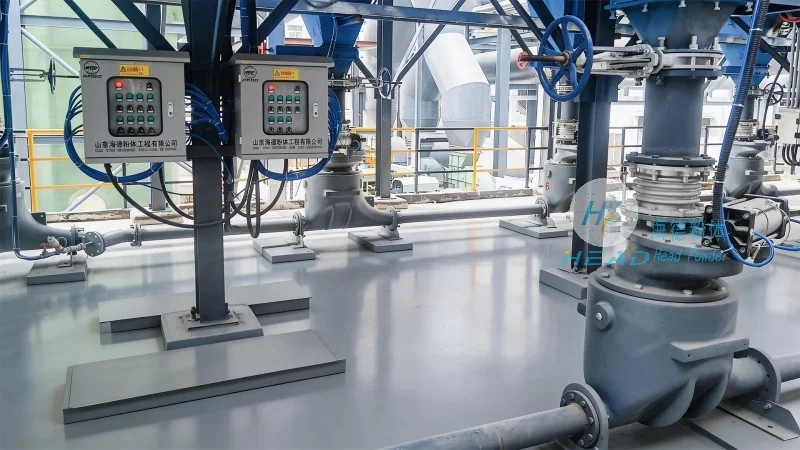
The operation process of the rapeseed material handling system involves several sequential steps that ensure the smooth and efficient handling of rapeseed. The process begins with the reception of raw rapeseed at the facility. Trucks or bulk carriers deliver the rapeseed to the reception hoppers, where it is unloaded and stored temporarily. The next step involves the transfer of rapeseed from the reception hoppers to the storage silos using conveyors. This transfer is typically done using belt conveyors or screw conveyors, which are capable of handling large volumes of material with minimal downtime. Once the rapeseed is stored in the silos, it is then transferred to the cleaning equipment for purification. The cleaning process involves screening to remove larger impurities and air classification to remove lighter particles like dust and chaff. The cleaned rapeseed is then stored in a separate silo or directly fed into the processing equipment. The feeding mechanism then regulates the flow of cleaned rapeseed to the processing machinery, such as expellers or solvent extractors, ensuring a consistent and controlled feed rate. Throughout the operation process, sensors and control systems monitor the flow rates, levels in silos, and other parameters to ensure optimal performance and prevent any bottlenecks or equipment failures.
Working Principle of the Rapeseed Material Handling System
The working principle of the rapeseed material handling system is based on the principles of mechanical and pneumatic handling, combined with advanced control systems. The system operates by using various types of conveyors to transport rapeseed from one point to another. Belt conveyors, for example, use a continuous belt that moves the material along a fixed path, while screw conveyors use a rotating screw to push the material forward. Pneumatic conveyors, on the other hand, use air pressure to move the material through a pipeline. The cleaning equipment works by using screens with different mesh sizes to separate impurities from the rapeseed. Air classifiers use air currents to separate lighter particles from heavier ones, ensuring that only the pure rapeseed passes through. The feeding mechanisms regulate the flow by adjusting the speed of the conveyor or the rotation speed of the screw, maintaining a consistent feed rate to the processing equipment. The control system, often based on PLC (Programmable Logic Controller) technology, monitors all the parameters and adjusts the operation of the components in real-time to ensure optimal performance. This integrated approach ensures that the system operates efficiently, with minimal energy consumption and maximum throughput.
About Shandong HeadPowder Engineering Co., Ltd.
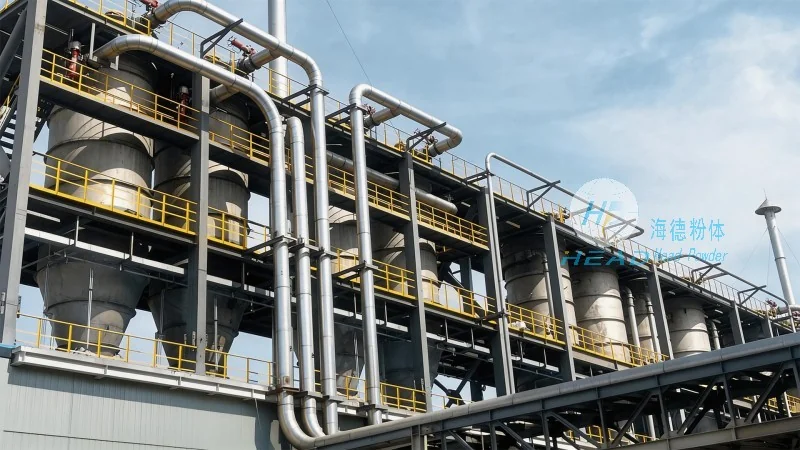
Shandong HeadPowder Engineering Co., Ltd., commonly known as HeadPowder, is a leading manufacturer and supplier of industrial material handling systems, including rapeseed material handling solutions. With years of experience in the industry, HeadPowder specializes in designing, manufacturing, and installing customized material handling systems tailored to the specific needs of its clients. The company's products are known for their high quality, reliability, and efficiency, making them suitable for various applications in the rapeseed processing industry. HeadPowder's team of engineers and technicians work closely with clients to understand their requirements and develop solutions that meet their operational and budgetary needs. The company's commitment to innovation and customer satisfaction has made it a trusted partner for businesses looking to enhance their material handling capabilities. HeadPowder's facilities are located in Shandong, China, where the company has a strong presence and access to a skilled workforce and advanced manufacturing technologies.




