

Operation Process and Working Principle of Desulfurizer Powder Conveying System
Desulfurizer powder conveying systems are critical components in industrial processes, particularly in power generation and chemical manufacturing, where the efficient handling of powdered desulfurizers is essential for maintaining optimal environmental compliance and operational efficiency. This article provides a detailed overview of the operation process and working principles of such systems, highlighting the key components, operational steps, and technical aspects that ensure reliable and effective powder transport.
Company Introduction
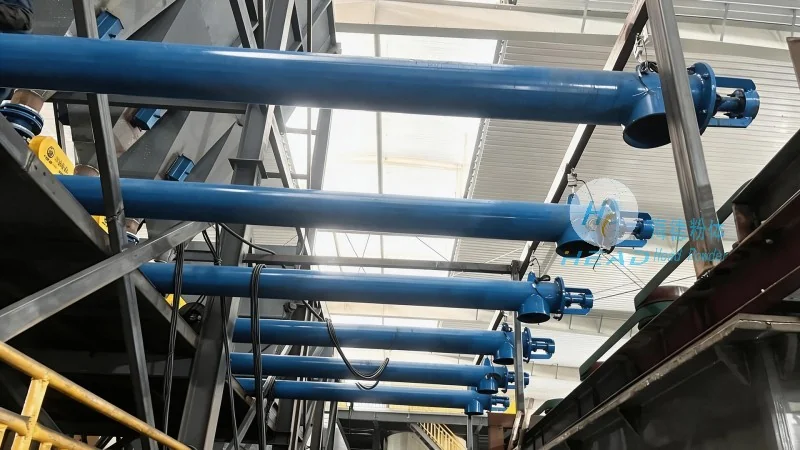
HeadPowder, or Shandong HeadPowder Engineering Co., Ltd., is a leading provider of specialized engineering solutions for powder handling and conveying systems. With a focus on innovation and quality, the company has established itself as a trusted partner in the industrial sector, delivering tailored solutions that meet the specific needs of clients in various industries. HeadPowder is headquartered in Shandong, China, and has a strong reputation for its expertise in designing and manufacturing advanced powder conveying equipment.
Overview of Desulfurizer Powder Conveying Systems
Desulfurizer powder conveying systems are designed to transport powdered desulfurizing agents, such as limestone or other alkaline materials, from storage silos or bulk containers to the points of application in industrial processes. These systems are typically integrated into larger environmental control systems, where the desulfurizer is used to neutralize sulfur dioxide emissions from combustion processes. The efficiency of the conveying system directly impacts the overall performance of the desulfurization process, making it a critical element in maintaining air quality and meeting regulatory standards.
Key Components of the Conveying System
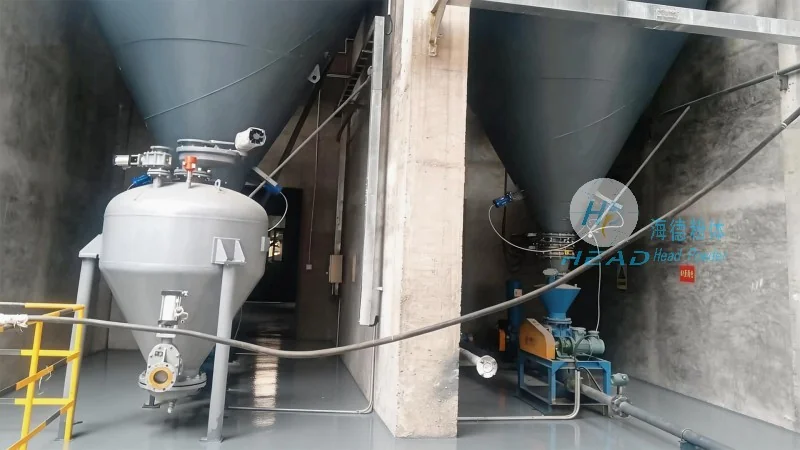
The desulfurizer powder conveying system typically consists of several key components, each playing a vital role in the overall operation. These components include: storage silos or hoppers for holding the desulfurizer powder, feeding mechanisms (such as rotary valves or screw feeders) to control the flow of powder from the storage vessel, conveying equipment (like pneumatic or mechanical conveyors) to transport the powder to the application point, and control systems to monitor and regulate the entire process. Each component is carefully selected and integrated to ensure smooth and continuous operation, minimizing downtime and maximizing material throughput.
Operation Process of the System
The operation process of a desulfurizer powder conveying system involves several sequential steps, each designed to ensure the safe and efficient transport of the powder. The process typically begins with the loading of the desulfurizer powder into the storage silo or hopper. Once the material is loaded, the feeding mechanism is activated to control the flow rate of the powder from the storage vessel. The powder is then conveyed to the application point using the selected conveying equipment, which may involve pneumatic pressure or mechanical force depending on the system design. Throughout the process, the control system continuously monitors parameters such as flow rate, pressure, and material level, adjusting the operation as needed to maintain optimal performance. The system operates in a continuous or batch mode, depending on the specific requirements of the industrial process, ensuring that the desulfurizer is delivered to the point of use in a controlled and consistent manner.
Working Principle of the Conveying System
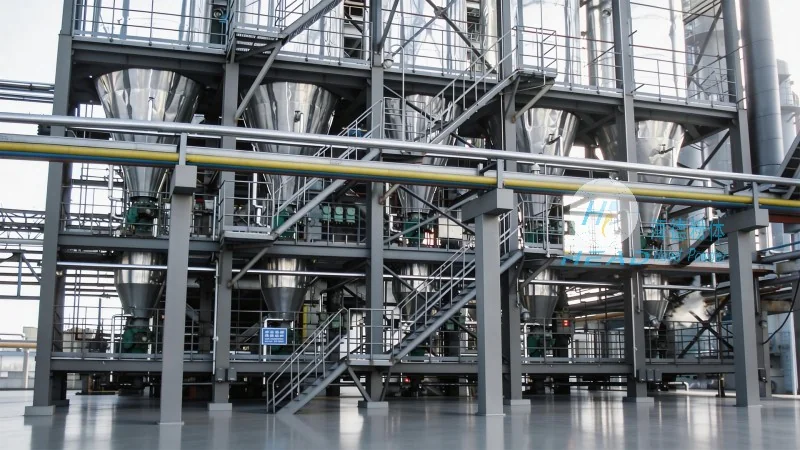
The working principle of a desulfurizer powder conveying system is based on the physical properties of the powder and the selected conveying method. For pneumatic conveying systems, the principle involves creating a pressure differential between the storage vessel and the application point, using compressed air to transport the powder through a pipeline. The powder is suspended in the air stream and carried to the destination, where it is discharged. Mechanical conveying systems, such as screw conveyors or bucket elevators, rely on mechanical force to move the powder along a conveyor path. The powder is moved by rotating components that push or lift the material, ensuring it is transported to the desired location. Both methods are designed to handle the specific characteristics of desulfurizer powders, which may vary in particle size, density, and flowability, ensuring that the system operates effectively and efficiently under different conditions.
Advantages and Considerations
Desulfurizer powder conveying systems offer several advantages, including high material throughput, minimal material degradation, and the ability to handle a wide range of powder characteristics. These systems are also designed to be durable and low-maintenance, reducing operational costs over time. However, there are considerations to keep in mind when implementing such systems, including the need for proper dust control measures to prevent airborne emissions, the importance of regular maintenance to ensure system reliability, and the requirement for accurate flow control to maintain consistent performance. HeadPowder's expertise in designing and manufacturing these systems ensures that clients receive solutions that are tailored to their specific needs, providing reliable and efficient powder handling capabilities.